Get the Right Gear for Your Pup
Bringing home a puppy is exciting, overwhelming, and usually a little chaotic. There are endless puppy gear lists online, but most new owners do not need a cart full of random products.
You need gear that supports the first things your puppy actually needs to learn: where to potty, how to settle, how to walk on leash, how to explore safely, how to engage with you, and how to move through the world with confidence.
The best new puppy gear is simple, secure, adjustable, easy to clean, and built for real use. Our team at Bolder K9 is going to break it down.

The Short Answer: What Gear do you Need for a New Puppy?
You don't need the most aesthetic gear. A new puppy needs a properly fitted collar, a standard leash, a long line, ID tags, a crate or pen, food and water bowls, training treats, cleanup supplies, chew-safe enrichment, and supervised training toys.
For Bolder K9 customers, the core gear setup usually looks like this:
- Adjustable BioThane collar
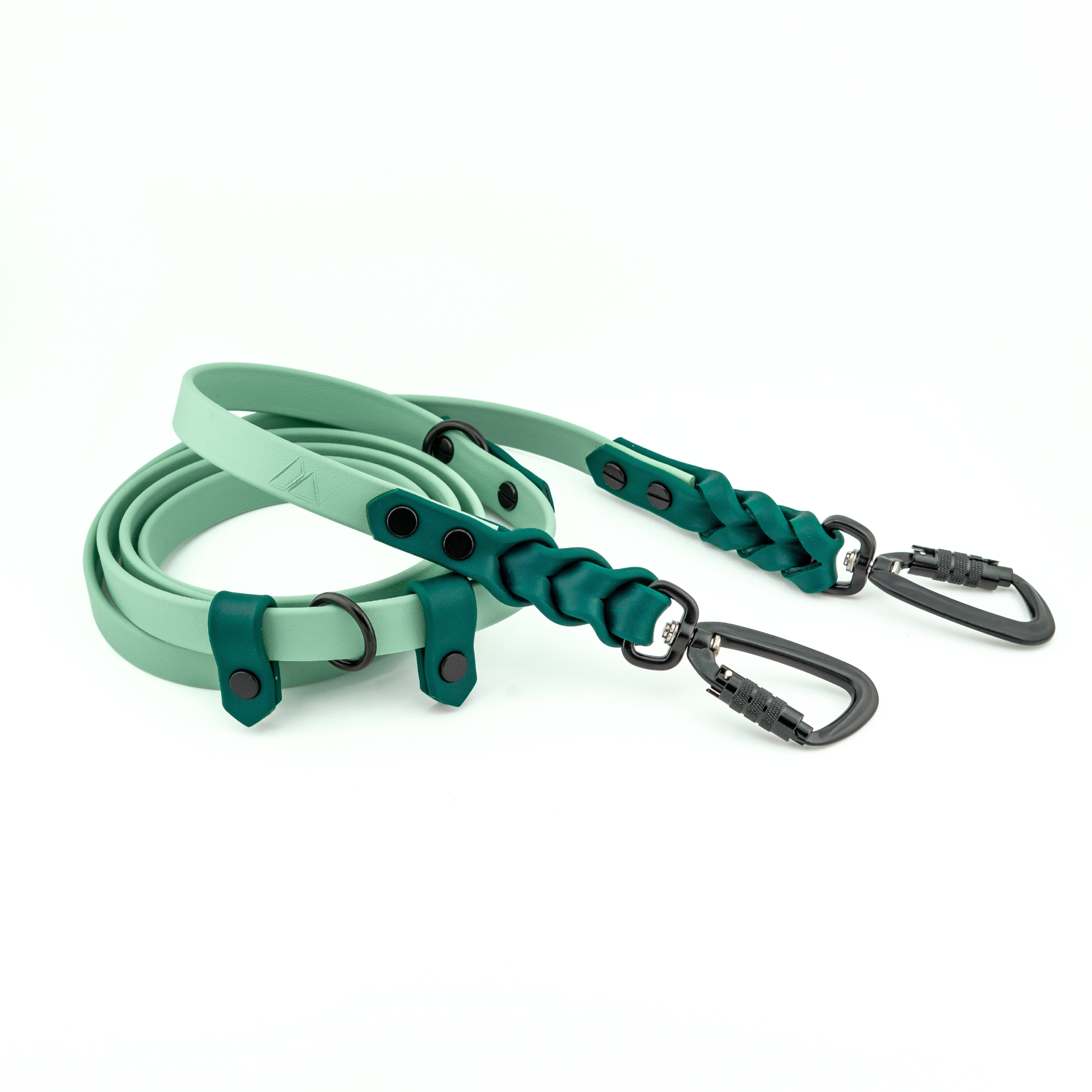
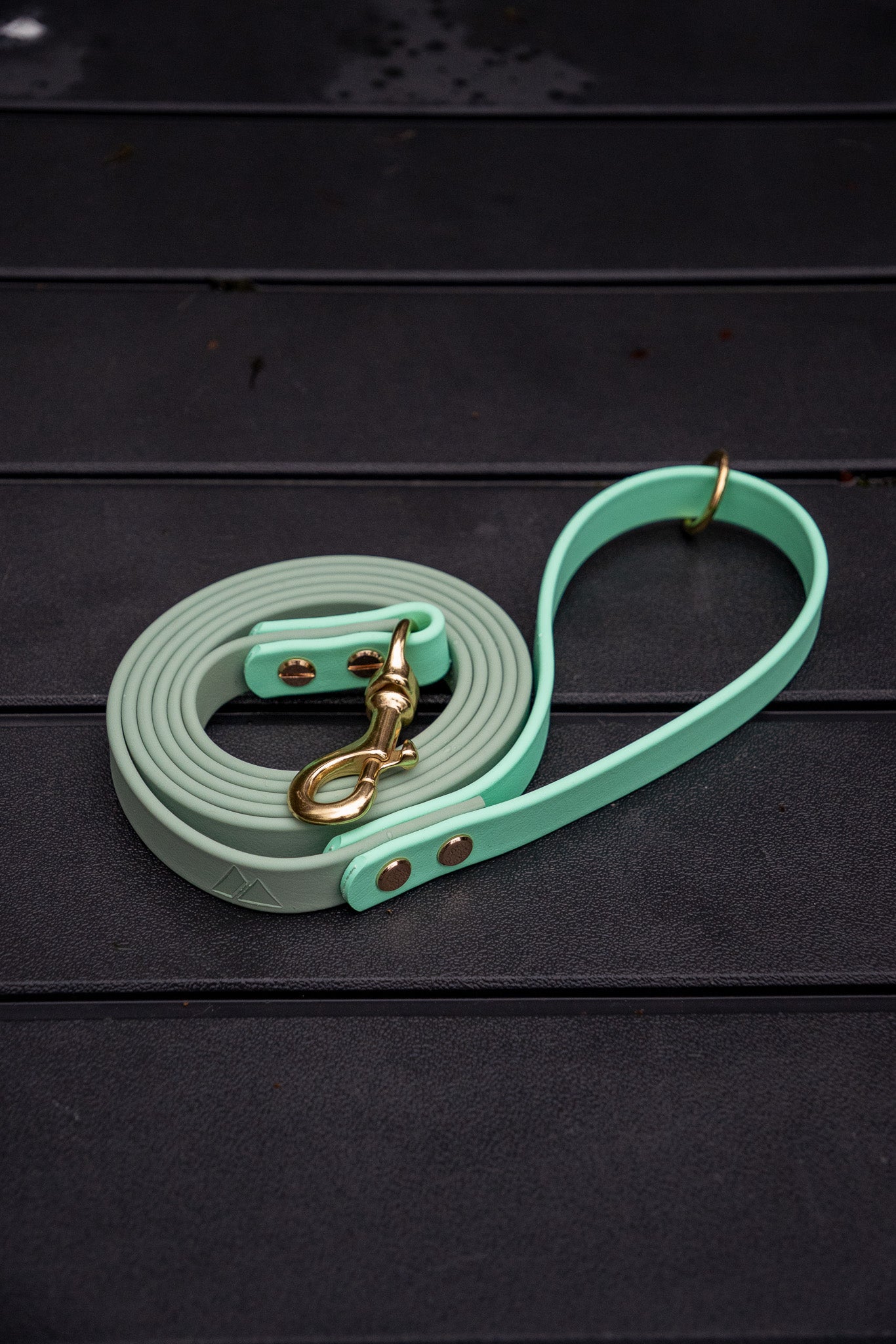
- Standard BioThane leash
- BioThane long line
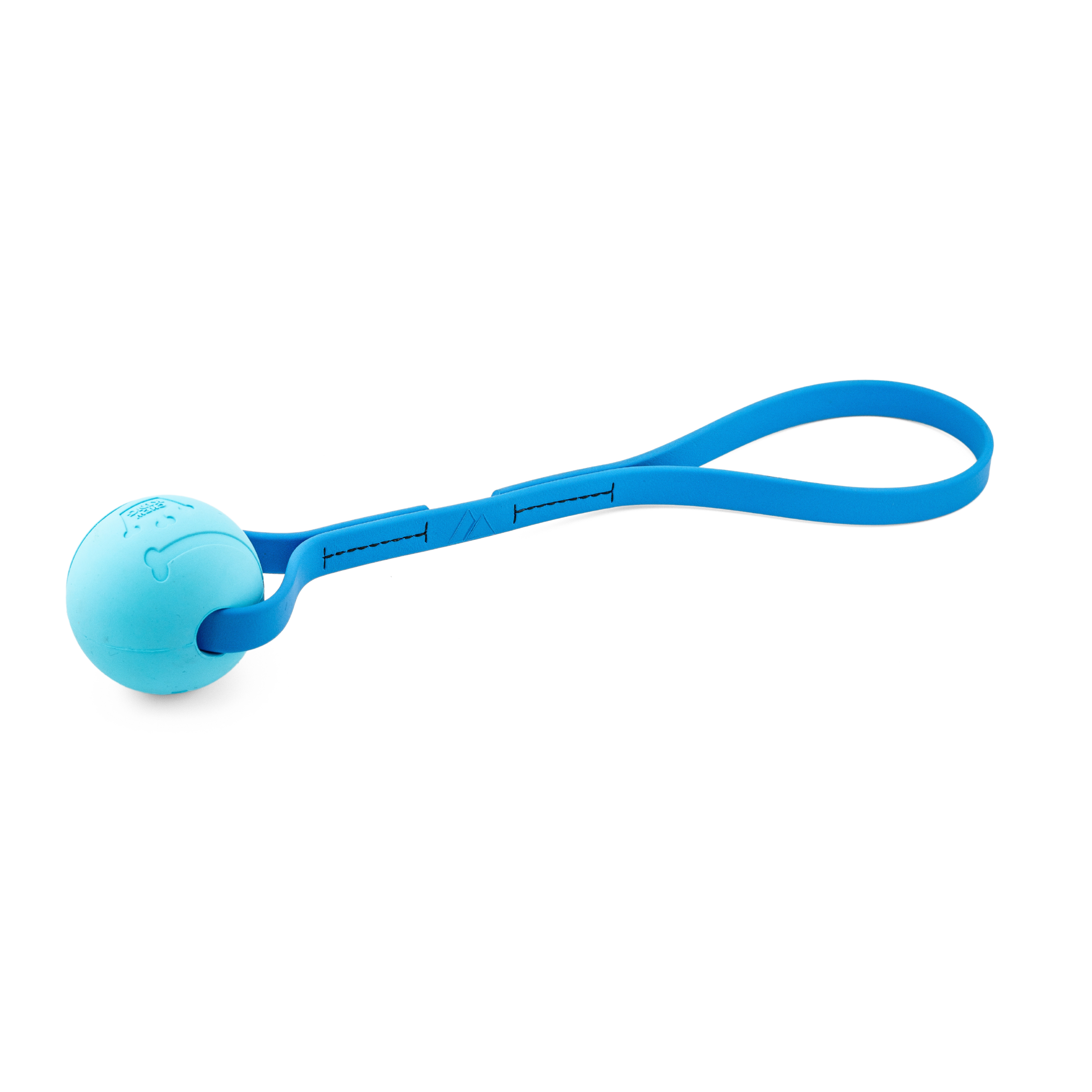
- Puppy-friendly tug toy
- Poop bags and cleanup supplies
- Crate, pen, or safe confinement area
- Training treats and food pouch
- Food and water bowls
- Chew-safe enrichment toys
- Grooming and handling basics
You can add more specialized gear later. In the beginning, focus on control, safety, cleaning, and training foundations.
Why Puppy Gear Should be Simple
Puppies grow quickly, make messes constantly, and learn through repetition. That means your gear should help you create structure without getting in the way.
A puppy does not need the heaviest leash, the most complicated harness, or a dozen novelty toys. In fact, too much gear can create more confusion than confidence.
Good puppy gear should do five things:
- Keep your puppy safe.
- Help you manage freedom.
- Support leash and recall training.
- Hold up to dirt, rain, and daily use.
- Fit correctly as your puppy grows.
This is where practical materials matter. BioThane is especially useful for puppy gear because it is waterproof, odor-resistant, and easy to wipe clean after mud, rain, food mess, and potty training accidents.
1. A Properly Fitted Puppy Collar
A collar is usually the first piece of gear your puppy will wear. It holds ID tags, helps your puppy get used to light pressure around the neck, and supports short supervised leash sessions.
For a puppy, choose a collar that is:
- Lightweight
- Adjustable
- Smooth against the coat
- Secure without being bulky
- Easy to clean
- Sized with room to grow
A BioThane adjustable collar is a strong choice for puppies because it handles mess better than many woven materials. It does not absorb water or odor the same way nylon can, and it can be wiped down quickly after outdoor trips.
How Should a Puppy Collar Fit?
A puppy collar should fit snugly enough that it cannot slide over the head, but loose enough that you can fit two fingers between the collar and the neck.
Check the fit often. Young puppies can grow quickly, especially medium and large breeds. A collar that fit last week may be too tight this week.
Should a Puppy Wear a Collar All Day?
A puppy can wear a collar during supervised daily life, potty breaks, training, and walks. However, collars should be removed during unsupervised crate time or rough play if there is a snag risk.
Safety matters more than keeping gear on constantly.
2. A Standard Leash for Daily Life

A standard leash is one of the most important pieces of puppy gear. This is what you will use for potty breaks, vet visits, short walks, car transitions, and early leash manners.
For most puppies, a 4 to 6 foot leash is the easiest place to start.
A good puppy leash should be:
- Easy to grip
- Not too heavy
- Long enough for comfortable movement
- Short enough to maintain control
- Easy to clean
- Durable enough for daily use and longevity
Avoid starting with a retractable leash. Retractable leashes can teach puppies to pull into pressure, create inconsistent distance, and make it harder to build clean leash habits.
A standard BioThane leash gives you simple, reliable control while staying practical for everyday puppy mess.
3. A Long Line for Recall and Safe Freedom
A long line is one of the most underrated pieces of puppy gear.
A long line gives your puppy room to explore while still giving you physical control. It is especially useful for recall training, decompression walks, open-field practice, sniffing, confidence building, and safe outdoor exposure.
Do You Really Need a Long Line for a Puppy?
Yes, most puppies benefit from a long line. It lets you practice freedom before your puppy is ready for off-leash reliability.
A long line is useful for teaching:
- Name recognition
- Recall
- Check-ins
- Following handler movement
- Outdoor confidence
- Safe exploration
- Engagement around distractions
How Long Should a Puppy Long Line be?
Most puppies do well with a 10 to 20 foot long line.
A 10 foot line is easier to manage for young puppies, small spaces, and beginner handlers. A 15 to 20 foot line gives more room for recall practice and open-area movement.
Longer is not always better. If you are constantly tangled, stepping on the line, or struggling to manage slack, start shorter.
4. A Harness, if Your Puppy Needs One
Not every puppy needs a harness right away, but many benefit from having one.
A harness can be helpful for puppies who pull, bounce, hit the end of the leash, or have sensitive necks. It can also be useful for small breeds, young puppies, and dogs who are still learning how leash pressure works.
That said, a harness is not a replacement for training. It is a management tool.
Choose a harness that:
- Does not restrict shoulder movement
- Fits snugly without rubbing
- Cannot be backed out of easily
- Has adjustable points
- Is not overly bulky
- Allows your puppy to move naturally
For many puppies, the best setup is both a collar and a harness: the collar for ID and controlled handling, the harness for walks and early leash learning.
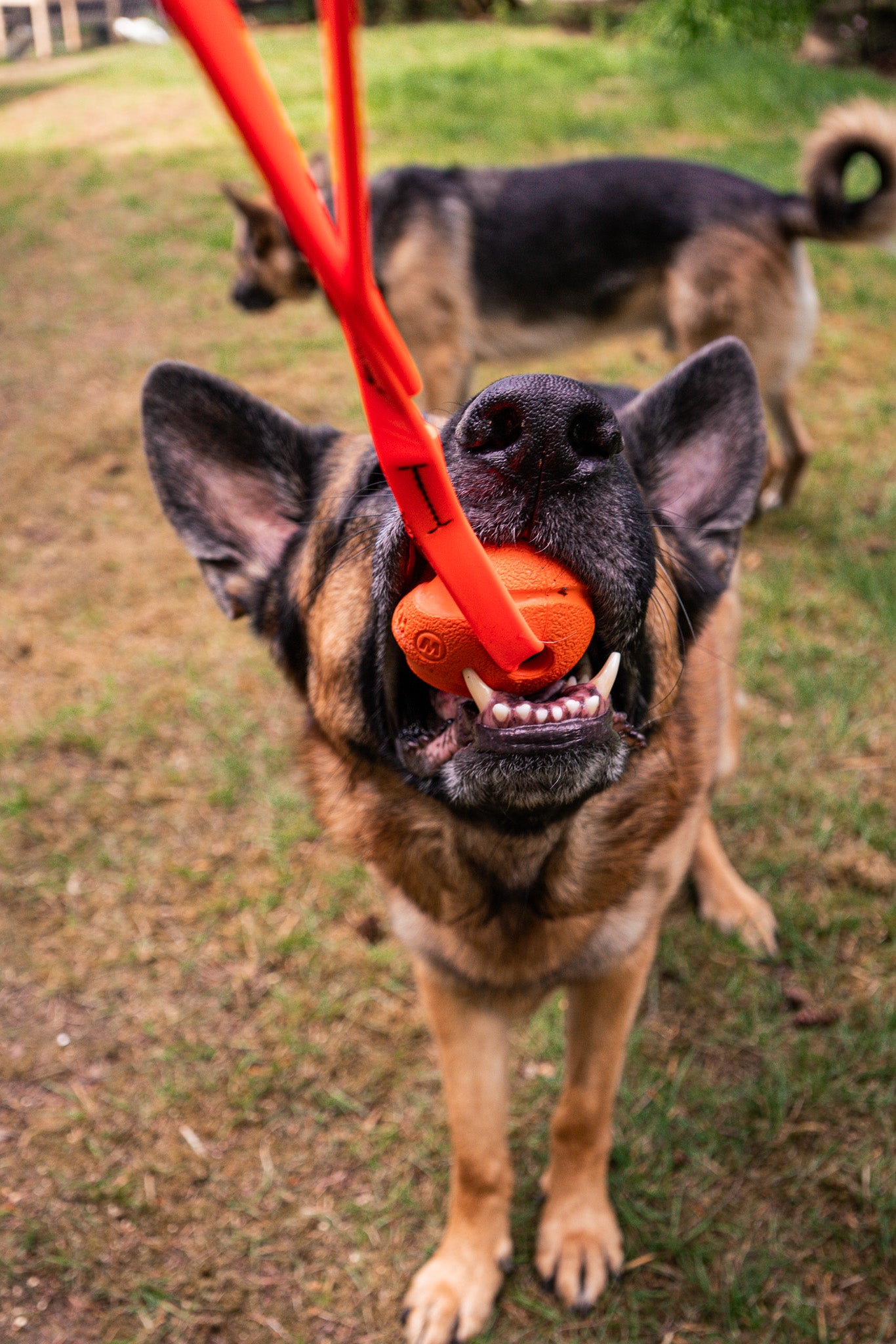
5. Puppy-Friendly Tug Toys for Training

Tug toys are not just for high-drive working dogs. Used correctly, tug can be an excellent training tool for puppies.
A good tug toy helps build engagement, confidence, play skills, impulse control, and handler focus. It gives your puppy a productive outlet for biting and chasing while teaching them that playing with you is valuable.
Can Puppies Use Tug Toys?
Yes, puppies can use tug toys when play is supervised and age appropriate.
Keep tug sessions short, fun, and controlled. Let your puppy win sometimes. Avoid yanking hard, lifting the puppy, or playing too intensely with young mouths.
Tug toys should be used for interactive play, not left out as chew toys.
What is the Best Tug Toy for a Puppy?
The best tug toy for a puppy is appropriately sized, easy to grip, and comfortable for young mouths. It should be durable enough for training but not so oversized or heavy that the puppy cannot engage confidently.
For active puppies, a smaller tug or puppy-friendly ball tug can help create a clear reward system early.
6. Crate, Pen, or Safe Confinement Setup
Puppies need structure. A crate, pen, or puppy-safe confinement area helps with potty training, sleep, household management, and preventing dangerous choices when you cannot supervise.
A good confinement setup gives your puppy a safe place to rest, decompress, and learn that calm time is part of daily life.
Your setup may include:
- Crate
- Exercise pen
- Baby gates
- Washable bedding
- Water access when appropriate
- Safe chew items
- Easy-clean flooring or mats
Do not use collars, long lines, or loose gear inside a crate when unsupervised. Gear can snag, twist, or become a safety issue.
We highly recommend K9 Kennel Boss for all ages and sizes of dogs.
7. Food Rewards and a Treat Pouch
Training starts immediately. Your puppy is learning every time they interact with you, your home, and the environment.
Food rewards make it easier to teach basic skills such as:
- Name response
- Recall
- Sit
- Down
- Crate entry
- Potty routines
- Leash pressure
- Handling
- Calm behavior
- Engagement around distractions
Use small, soft rewards that your puppy can eat quickly. A treat pouch is helpful because it keeps rewards accessible during real-life moments.
The faster you can reward the behavior you want, the easier it is for your puppy to understand.
8. Cleanup Supplies
Puppies are messy. Even well-managed puppies have accidents, muddy paws, food spills, and outdoor grime.
Have cleanup supplies ready before your puppy comes home.
Recommended basics include:
- Enzymatic cleaner
- Paper towels or washable rags
- Poop bags
- Grooming wipes
- Towels near the door
- Mild soap for gear cleaning
- A designated dirty-gear area
This is another reason easy-clean gear matters. BioThane collars, leashes, and long lines can usually be cleaned with warm water, mild soap, and a quick towel dry.
9. Chew-Safe Enrichment
Puppies need to chew. Chewing helps with teething, stress relief, exploration, and settling.
The key is giving your puppy appropriate chew options instead of letting them choose furniture, shoes, leashes, or household objects.
Choose enrichment that is suitable for your puppy’s size, age, and chewing style. Always supervise new chews and remove anything that becomes small, sharp, cracked, or unsafe.
Training tug toys and leashes are not chew toys. Store them when not in use.
10. Food and Water Gear
Food and water bowls do not need to be complicated. Choose stable, easy-clean bowls that fit your puppy’s size.
For some puppies, slow feeders or enrichment feeders can be helpful. They slow down fast eaters and turn meals into short training or problem-solving opportunities.
Keep water available unless your vet or trainer has advised a specific potty-training routine.
BioThane vs Nylon for Puppy Gear
Puppy gear gets dragged through everything: wet grass, mud, gravel, food crumbs, training treats, rain, and potty accidents.
That is why material matters.
BioThane Puppy Gear
BioThane is waterproof, odor-resistant, durable, and easy to clean. It is ideal for collars, leashes, and long lines that see daily outdoor use.
Best for:
- Rainy climates
- Muddy yards
- Potty training
- Outdoor training
- Active puppies
- Easy maintenance
- Owners who want gear that wipes clean
Nylon Puppy Gear
Nylon is common, lightweight, and accessible. It can work fine, especially as budget or backup gear, but it can absorb odor and grime more easily.
Best for:
- Light use
- Backup gear
- Indoor gear
- Budget starter items
For most active puppy owners, BioThane is the more practical long-term choice.
![Image placeholder: Puppy training outdoors on a long line]
Common Puppy Gear Mistakes
Buying Gear That is Too Big
Oversized gear can slip, drag, tangle, or overwhelm a puppy. Buy for your puppy’s current size with room to adjust.
Waiting too Long to use a Leash
Leash skills start early. Short, positive sessions help your puppy learn pressure, movement, and handler connection before bad habits build.
Skipping the Long Line
Many owners jump from short leash to off leash too quickly. A long line fills the gap by giving freedom with safety.
Leaving Training Toys Out All Day
Tug toys are most valuable when they are interactive. If they are left out as chew toys, they lose value and may be damaged.
Using Hard-to-Clean Gear
Puppies are messy. Gear that absorbs water, odor, and grime becomes frustrating fast.
Best Puppy Gear Setup by Use
For Potty Breaks
Use a standard leash, flat collar or harness, poop bags, and easy-clean footwear or door towels.
For Neighborhood Walks
Use a standard leash, properly fitted collar or harness, treats, and a calm route with manageable distractions.
For Recall Practice
Use a 10 to 20 foot long line, high-value treats, and a low-distraction outdoor space.
For Training Sessions
Use treats, a standard leash, a tug toy, and short sessions that end before your puppy gets tired.
For Outdoor Adventures
Use a secure collar, harness if needed, long line, water, cleanup supplies, and gear that can handle mud and weather.
New Puppy Gear Checklist
Must-Have Gear
- Adjustable collar
- ID tags
- Standard leash
- Long line
- Crate or pen
- Food and water bowls
- Training treats
- Cleanup supplies
- Poop bags
- Safe chew items
Highly useful gear
- Puppy-friendly tug toy
- Treat pouch
- Harness
- Towels near entry doors
- Enrichment feeders
- Travel water bowl
- Backup leash
Gear to avoid at first
- Oversized collars
- Heavy leashes
- Retractable leashes
- Poorly fitted harnesses
- Toys that are too small
- Toys that are too hard for puppy teeth
- Complicated gear you do not know how to use safely
Frequently Asked Questions About New Puppy Gear
What Gear do you Need When you Bring Home a new Puppy?
A new puppy needs a properly fitted collar, standard leash, long line, ID tags, crate or pen, food and water bowls, cleanup supplies, training treats, safe chews, and supervised training toys.
Start with the essentials. Add specialty gear later once you understand your puppy’s size, confidence, drive, and training needs.
What is the First Collar I Should Buy for a Puppy?
The first collar for a puppy should be lightweight, adjustable, and easy to clean.
A BioThane adjustable collar is a practical option because it handles rain, mud, and daily mess without absorbing odor.
What Size Collar Does my Puppy Need?
Your puppy’s collar should fit with enough room for two fingers between the collar and the neck.
Measure the middle of the neck with a soft tape and choose an adjustable size range. Check the fit often as your puppy grows.
What Leash is Best for a New Puppy?
A 4 to 6 foot standard leash is best for most new puppies.
It gives enough room for natural movement while keeping your puppy close enough for safe handling and early leash training.
Do I Need a Long Line for my Puppy?
Yes, a long line is one of the most useful puppy training tools.
It gives your puppy safe freedom while you practice recall, engagement, sniffing, and outdoor confidence.
How Long Should a Puppy Long Line be?
Most puppies do well with a 10 to 20 foot long line.
Start shorter if you are new to handling long lines. Move longer as your puppy gains skill and you become more comfortable managing slack.
Should I Get a Collar or Harness for my Puppy?
Most puppies benefit from both.
A collar is useful for ID and short handling. A harness can reduce neck pressure during walks, especially for puppies that pull or bounce.
Is BioThane Good for Puppies?
Yes, BioThane is excellent for puppy gear because it is waterproof, odor-resistant, durable, and easy to clean.
It is especially useful for puppies because their gear often gets dirty during potty training, outdoor play, and early leash work.
Is BioThane Better than Nylon for Puppy Gear?
BioThane is often more practical than nylon for puppy gear because it does not absorb water and odor the same way woven materials can.
Nylon can work, but BioThane is easier to maintain for active, messy, outdoor puppies.
Can Puppies use Tug Toys?
Yes, puppies can use tug toys during supervised play.
Keep sessions short and appropriate. Tug should build engagement and confidence, not become uncontrolled chewing.
What Gear Should I Avoid Buying for a New Puppy?
Avoid oversized collars, heavy leashes, retractable leashes, poorly fitted harnesses, and toys that are too hard, too small, or unsafe for unsupervised chewing.
New puppy gear should be simple, secure, and matched to your puppy’s current size.
Final Thoughts: Buy Less, Choose Better
The best new puppy gear is not the biggest collection of products. It is the gear you will use every day to keep your puppy safe, build good habits, and make training easier.
Start with the basics: an adjustable collar, a standard leash, a long line, safe confinement, food rewards, cleanup supplies, and a few high-value training tools.
Choose gear that fits well, cleans easily, and supports the way puppies actually learn.
For active puppies, outdoor homes, rainy climates, and real-life training, BioThane collars, leashes, long lines, and tug toys are practical essentials that can handle the first messy, energetic months of puppy life.
Be sure to check out Bolder K9 on Instagram!