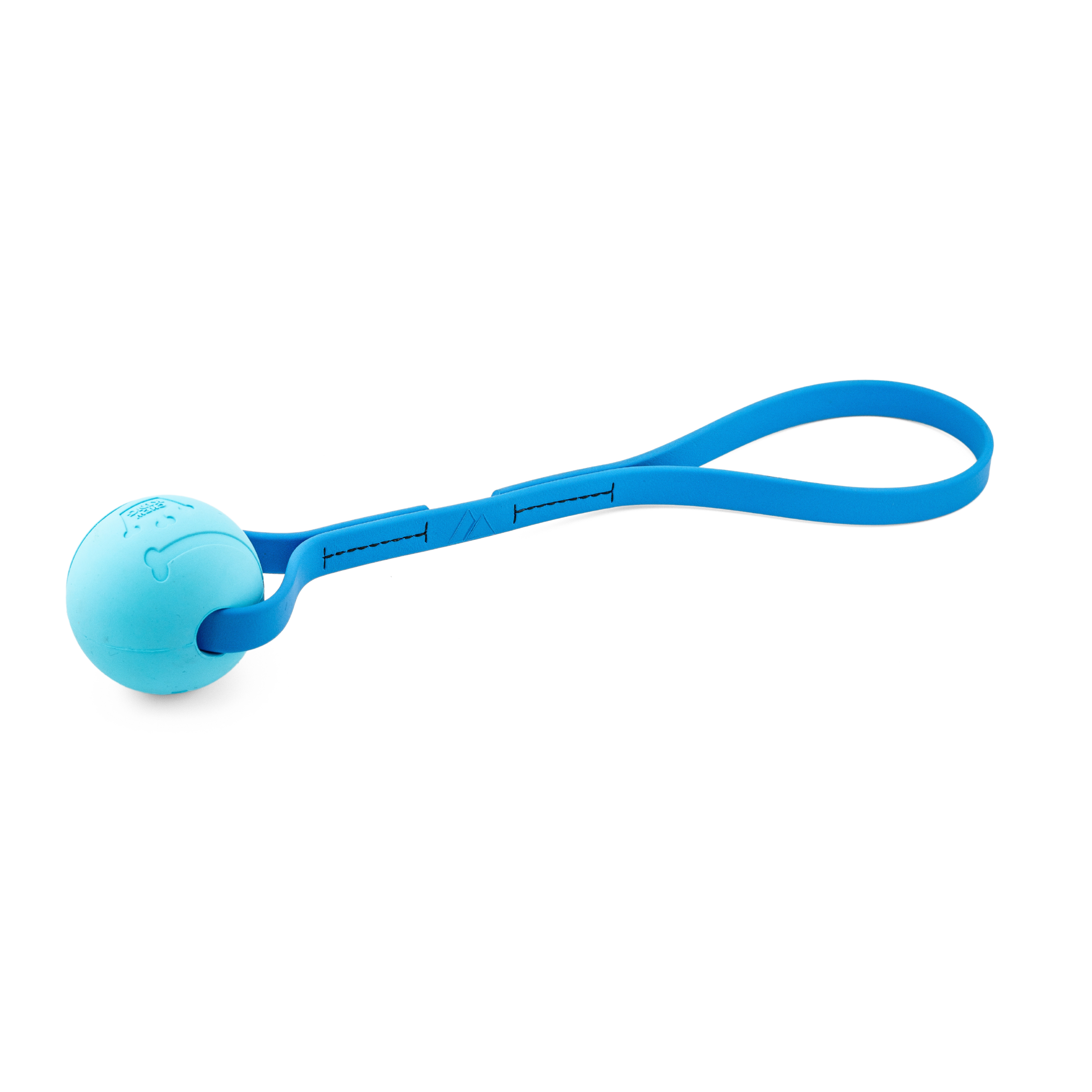
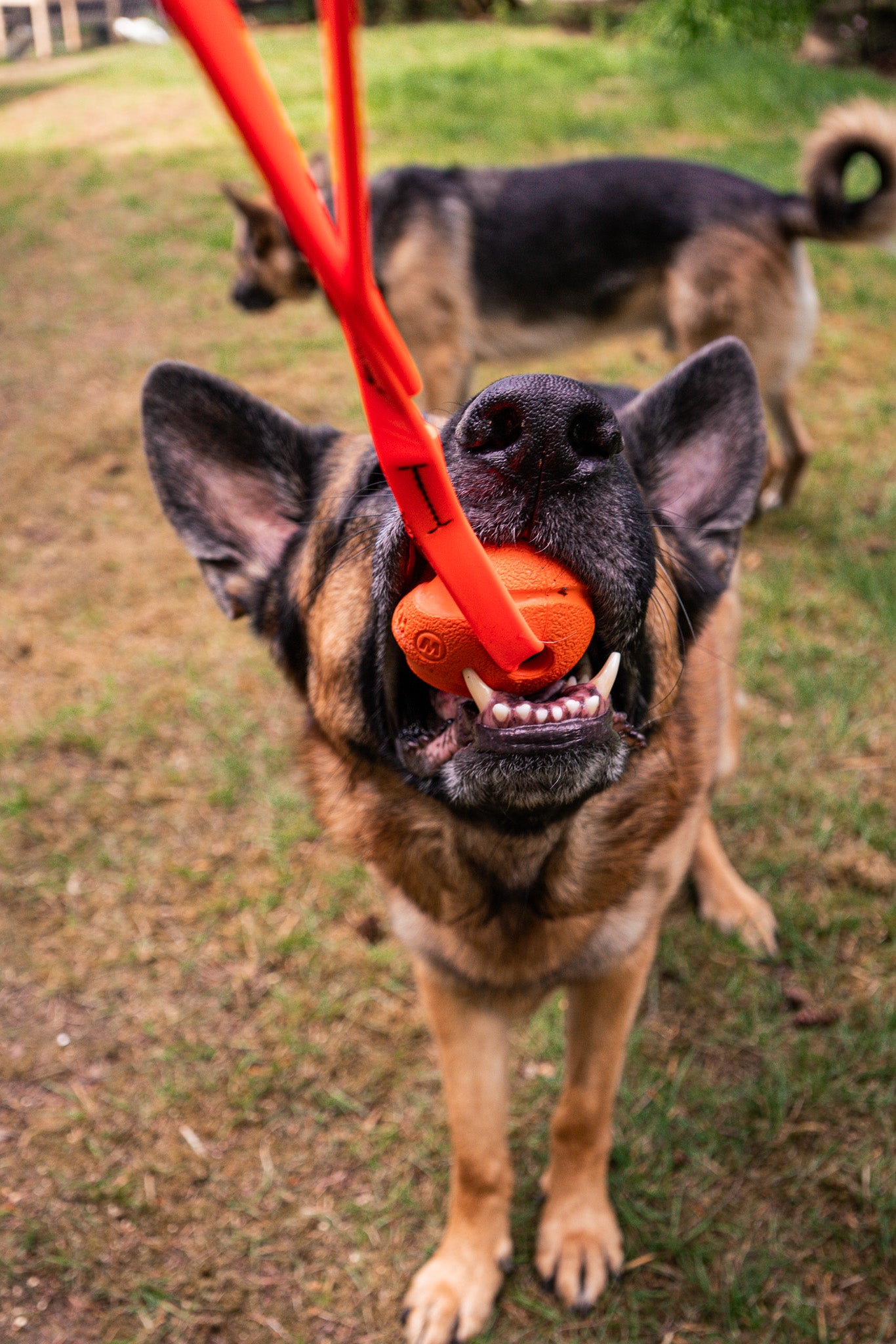
Tug Toys Are Built for Intensity
When it comes to dog toys, tug toys are meant to handle all types of environments and rough usage from pulling, shaking, to high-energy play between you and your dog. But like any piece of working gear, even a well-made tug toy will eventually wear down, which is a sad day for you and your dog.
While replacing your dog's tug toy is not always the most fun thing in the world, there is good news: a few simple habits can dramatically extend the life of your tug toy — while keeping play safe and engaging for your dog.
Our team at Bolder K9 is going to walk through how to get the most out of it.

Quick Tug Toy Care Checklist
If you remember nothing else, these five habits will make the biggest difference:
- Use tug toys for interactive play, not solo chewing
- Avoid dragging the toy across concrete or gravel
- Rotate toys if your dog plays tug frequently
- Inspect stitching and edges every few sessions
- Replace the toy if you wouldn’t trust it for one strong tug
These small habits go a long way in preserving both the toy and the quality of play.
Why Tug Toys Wear Out in the First Place
Most tug toys don’t fail because of tugging itself, which is what most people think. There are actually a few reasons that the tug toys will start to wear down.
They wear down from a combination of three forces:
- Chewing pressure: When dogs chew on a tug toy between play sessions, their teeth grind into the fibers and slowly weaken the material, especially if you have a bigger dog with stronger bite force.
- Surface abrasion: Dragging toys across rough surfaces like concrete or gravel can fray edges and damage stitching.
- Weather: Different climates like rain or snow can contribute to the wearing down of your tug toys.
- Repeated high-load pulling: Over time, repeated tension gradually weakens stitching and structural points.
In many cases, the most damage actually happens between play sessions, not during the game itself.
How to Make Your Tug Toy Last Longer
1. Use Tug Toys for Interactive Play
Tug toys last longest when they’re used with you, not left out as chew toys.
When dogs are unsupervised with a tug toy, they tend to:
- Chew on the edges
- Grind their teeth into the fibers
- Slowly weaken the structure
That kind of chewing causes far more wear than tugging.
Think of a tug toy as a training and engagement tool, not a chew toy. After play, store it until the next session.

2. Avoid Dragging on Rough Surfaces
Concrete, gravel, and asphalt are tough on gear. During tug sessions, try to avoid letting the toy drag across rough ground. Repeated abrasion can fray fibers and weaken stitching over time.
Grass, turf, and rubber training surfaces are much gentler on the material.
3. Let Your Dog Win Sometimes
It may sound counterintuitive, but letting your dog win occasionally can actually extend the life of a tug toy.
If dogs never get the reward of winning, they often escalate their effort by:
- Shaking harder
- Biting deeper
- Thrashing more aggressively
Allowing the occasional win keeps the game balanced and prevents unnecessary strain on the toy.

4. Rotate Your Toys
If your dog loves tug, using the same toy every day will naturally wear it down faster.
Rotating between a few tug toys helps:
- Spread out wear
- Keep play exciting
- Extend the life of each toy
Many trainers keep a small rotation of tug toys for this exact reason.
How to Inspect Your Tug Toy
Every few play sessions, take a quick moment to check your gear, not only to make sure it is clean, but to make sure it isn't falling apart.
Look for:
- Stitching: Any loose threads or separation along seams.
- Edges: Heavy fraying or unraveling along the bite areas.
- Handles: Thinning material or soft spots that indicate internal wear.
- Structure: Areas that feel weaker than the rest of the toy.
These quick checks take less than 10 seconds and help catch problems early.
When It’s Time to Replace a Tug Toy
Even durable gear eventually reaches the end of its life. Retiring worn toys early helps keep play safe.
Here are the most common signs.
Frayed Fibers
Some fuzzing is normal over time. But when fibers start separating significantly, the structure may be compromised.
Loose or Broken Stitching
Stitching distributes the force of tugging. If it starts coming loose, the toy can fail quickly during play.
Exposed Inner Material
If the inner layers of the toy become visible, the outer structure has already worn through.
At that point, it’s best to replace it.
Structural Softness
If one area of the toy feels noticeably softer or weaker than the rest, the internal structure may have broken down from repeated stress.
A Simple Rule of Thumb
If you wouldn’t trust the toy to handle one strong tug, it’s time to retire it.
Replacing worn gear early helps prevent sudden failures during play and keeps the game safe and enjoyable for both you and your dog.
The Bottom Line: Durable Gear Still Needs Care
A well-made tug toy can last a long time when used properly. Interactive play, occasional rotation, and quick inspections all help extend its life.
The goal isn’t just longevity. It’s safe, engaging play that keeps the game rewarding for both you and your dog.
Take care of your gear, and it will take care of the rest.
Be sure to check out Bolder K9 on Instagram!