Change up Your Training Style
For many dog owners, treats are the foundation of training. They’re easy to use, highly motivating, and effective for teaching everything from basic obedience to complex behaviors. But at some point, many handlers discover something interesting; their dog will work for food—but they'll come alive for a tug.
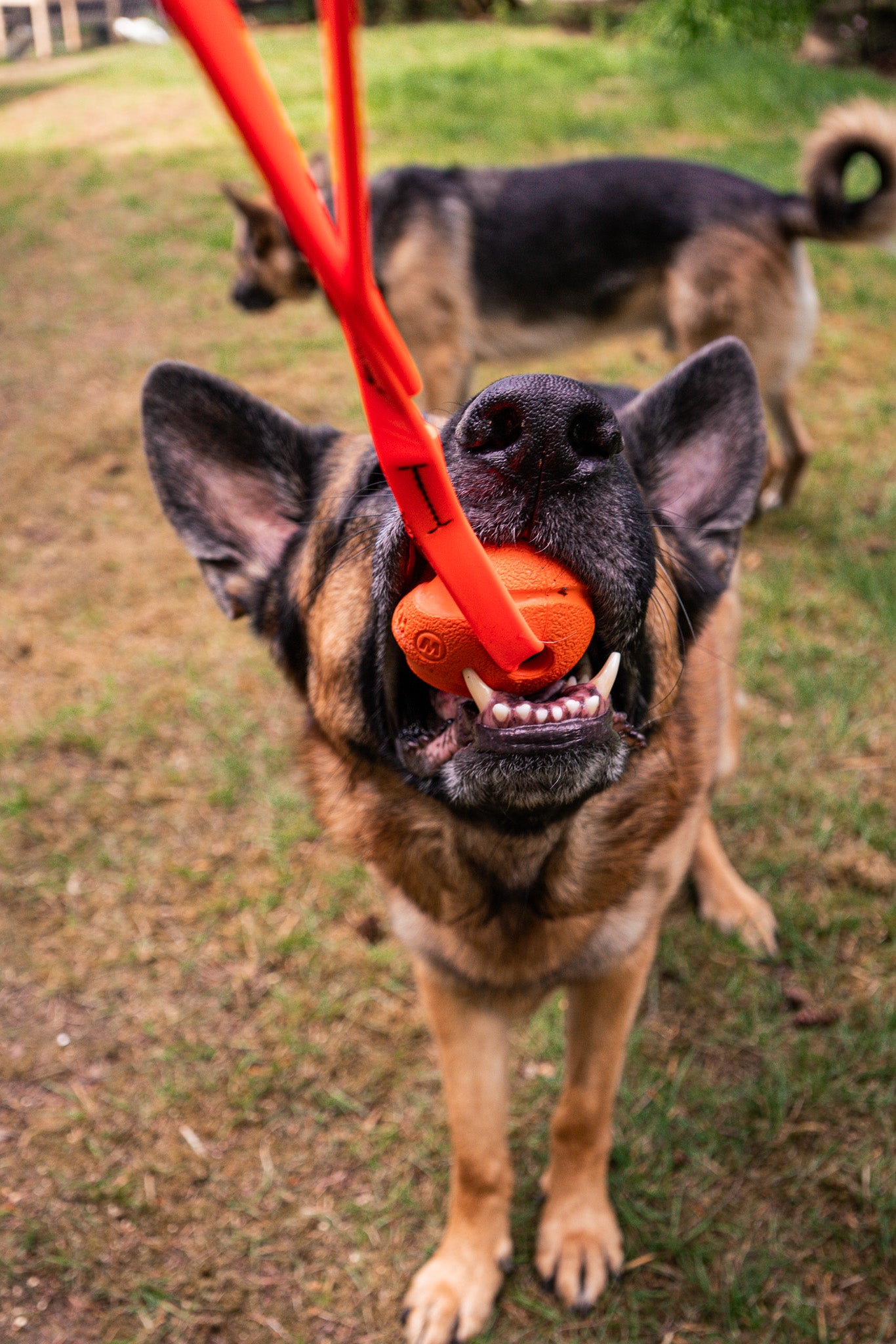
A dog that eagerly engages with a toy often shows more intensity, focus, and enthusiasm during training sessions. That's why tug is commonly used by sport dog handlers, working dog trainers, and owners looking to build stronger engagement with their dogs.
The good news is that tug drive can often be developed, even in dogs that initially seem uninterested in toys.
Our team at Bolder K9 is going to break down how to make the transition.

Why Transition from Treats to Tugs?
Before we dive into the process, it's important to understand that this isn't about replacing food entirely. Food and tug serve different purposes, and can have different reactions.
Treats are excellent for:
- Teaching new behaviors
- Shaping precision
- Rewarding calmness
- Training in low-arousal states
Tug can be excellent for:
- Building engagement
- Increasing drive and motivation
- Creating excitement around training
- Strengthening the relationship between dog and handler
Many experienced trainers use both depending on the goal of the session.
The objective isn't to eliminate treats—it's to expand your dog's reward system.
Step 1: Find the Right Tug Toy
Not all dogs are motivated by the same toys.
- Some prefer fleece.
- Some prefer leather.
- Some prefer fur-based toys.
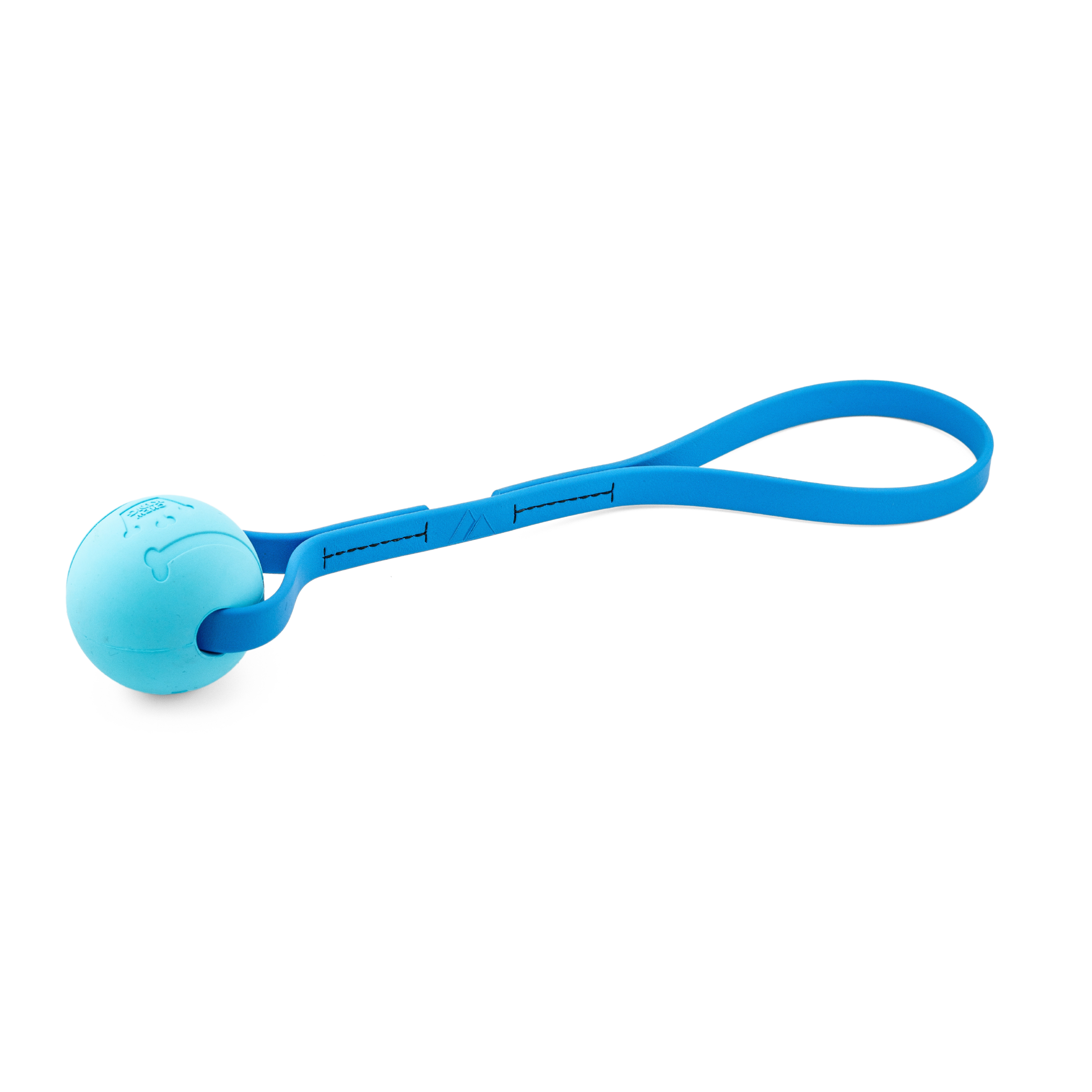
- Some want a longer toy with movement and durability, while others enjoy a compact target.
If your dog isn't interested in tug, the toy itself may be part of the problem. Experiment with different materials, sizes, and textures before assuming your dog lacks toy drive.
The best tug toy is the one your dog wants to chase and possess.

Step 2: Make the Toy Come Alive
One of the most common mistakes handlers make is presenting a tug toy like an object. To your dog, prey moves, prey escapes, prey is exciting.
Instead of holding the toy still, drag it along the ground, make quick directional changes, and encourage your dog to chase. Movement creates interest.
The goal is to trigger your dog's natural desire to pursue and interact.
For many dogs, the game begins before the tug even starts.
Step 3: Start With Short, Successful Sessions
When building toy motivation, less is often more. Keep sessions short. End while your dog still wants more. One great tug session is better than ten mediocre ones.
If your dog shows excitement, engagement, or even mild curiosity, finish on that positive note and revisit the game later.
Building anticipation is often part of developing drive.
Step 4: Pair Food with Tug
For dogs that are heavily food-motivated, combining rewards can help bridge the gap.
Ask for a simple behavior. Reward with food. Immediately present the tug and invite play.
Over time, many dogs begin associating the excitement of tug with the training process itself. The toy becomes part of the reward sequence rather than a completely separate activity.

Step 5: Let Your Dog Win
A common misconception is that tug should always be a contest. In reality, many dogs become more invested when they occasionally win the game. Allowing your dog to possess the toy reinforces value and builds confidence.
Think of tug as a cooperative game rather than a battle of strength. The goal is engagement, not dominance.
A dog that believes it can win often plays harder and with more enthusiasm.
Step 6: Build Value Before Asking for Obedience
One mistake handlers often make is demanding too much control too early. If the toy has little value, asking for extended obedience before access to the reward can make the game feel frustrating. Instead, focus first on creating genuine excitement around the toy.
Once the tug itself becomes rewarding, you can begin using it to reinforce behaviors like:
- Sit
- Down
- Recall
- Heel
- Place
- Engagement exercises
The stronger the reward, the more powerful it becomes in training.
Step 7: Keep the Toy Special
One reason food remains effective is that dogs value it, and the same principle applies to toys. Many trainers reserve their highest-value tug toys exclusively for training.
Rather than leaving them available all day, they become something special that appears when exciting things happen. Scarcity can increase value.
When the toy predicts fun, engagement often grows.

Common Mistakes When Building Tug Drive
If your dog isn't immediately interested in tug, don't panic.
Common mistakes include:
- Moving too quickly
- Using the wrong toy
- Holding the toy still
- Making sessions too long
- Ending sessions after the dog loses interest
- Expecting toy drive to appear overnight
Developing toy motivation is often a process rather than a single breakthrough moment.
Patience matters.
Consistency matters.
And finding what your individual dog enjoys matters most.
Remember: Not Every Dog Will Become a Tug Fanatic
Some dogs naturally prefer food, others naturally prefer toys, but most fall somewhere in between. The goal isn't to force your dog into a specific training style.
The goal is to discover what motivates them and expand the ways you can communicate and reward them.
For many dogs, tug becomes one of the most powerful tools in the training toolbox. For others, it remains an occasional supplement to food rewards. Both outcomes are perfectly fine.
Final Thoughts
Transitioning your dog from treats to tugs isn't about replacing one reward with another. It's about building engagement, a dog that loves to play with you is often a dog that wants to work with you.
Whether you're training basic obedience, preparing for dog sports, or simply looking to strengthen your relationship, learning how to use tug effectively can add a new level of enthusiasm to your training sessions.
Start small, keep it fun, and remember that the best reward is the one your dog truly values.
Be sure to check out Bolder K9 on Instagram!