Strengthen Your Dog's Bite
Walk down any pet store aisle and you’ll see dozens of different dog toys—ropes, rubber bones, balls, plush toys, tug toys, and more. To many dog owners, they all seem to serve the same purpose: giving the dog something to play with. But in reality, most dog toys fall into two very different categories: training toys and chew toys. They’re designed for completely different types of interaction, and understanding that difference can dramatically improve how you play, train, and engage with your dog. It also helps your toys last longer.
When toys are used for their intended purpose, dogs stay more motivated during training sessions, play stays safer, and gear holds up better over time in all elements such as rain or snow or dirt.
Our team at Bolder K9 is going to break down what makes these two types of toys different and how to use each one effectively.

Why Dogs Love Toys in the First Place
Before diving into toy categories, it helps to understand why dogs are drawn to toys at all. Most toy-driven behavior comes from natural instincts. Dogs are descendants of predators, and many play behaviors mimic elements of the hunting sequence:
- Chasing
- Grabbing
- Pulling
- Shaking
- Chewing
Different types of toys activate different parts of that instinctive sequence.
For example:
- A ball triggers chasing behavior
- A tug toy triggers gripping and pulling
- A chew toy satisfies the urge to gnaw
Good toy design—and good toy use—channels those instincts into safe, structured outlets.
This is where the distinction between training toys and chew toys becomes important.
What Are Training Toys?
Training toys are designed for interactive play between you and your dog. They are tools used to create engagement, reward behavior, and build a stronger connection during training or play sessions.
Training toys typically appear only when you bring them out, which helps keep them exciting and motivating.
These toys are often used for activities like:
- Tug games
- Fetch sessions
- Reward-based training
- Building drive and engagement
Because they’re used interactively, the dog learns that the toy is connected to working with the handler.
That’s why trainers often treat these toys as valuable rewards rather than everyday objects.

Common Types of Training Toys
Several toy styles are specifically designed for interactive play.
Tug Toys
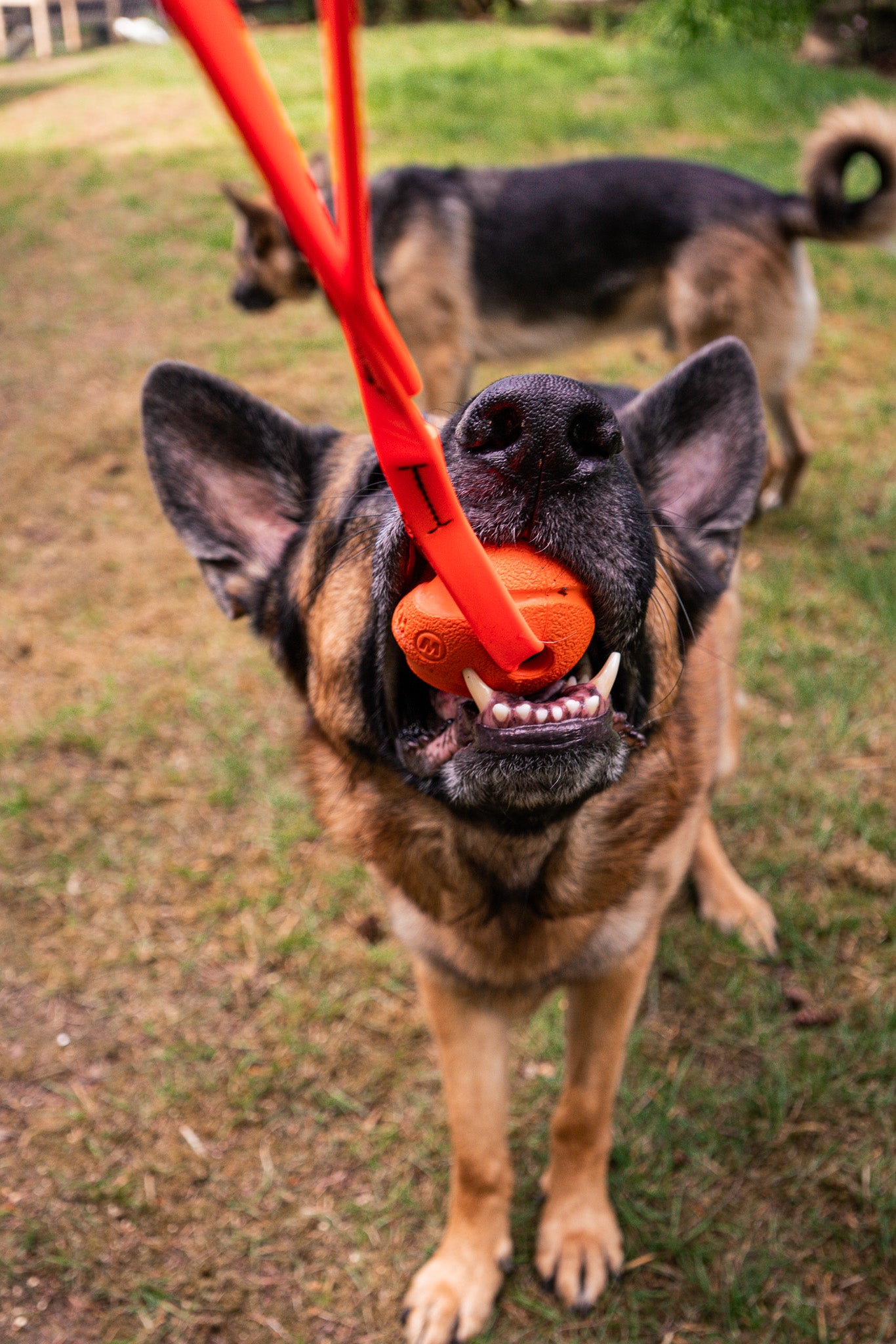
Tug toys are one of the most popular training tools. They allow dogs to grab, pull, and shake while interacting directly with the handler. This creates a high-energy reward that many dogs find extremely motivating.
Tug is commonly used in:
- Obedience training
- Sport dog training
- Engagement work
- Reward-based play
Because tug toys are designed for pulling force, they hold up well during structured tug sessions. However, they are not built for constant chewing.
Bite Pillows
Bite pillows are larger training toys often used in working dog training. They provide a broad surface for dogs to grip and are commonly used for developing bite strength and confidence in sport or protection work.
Like tug toys, bite pillows are meant for interactive sessions, not unsupervised chewing.
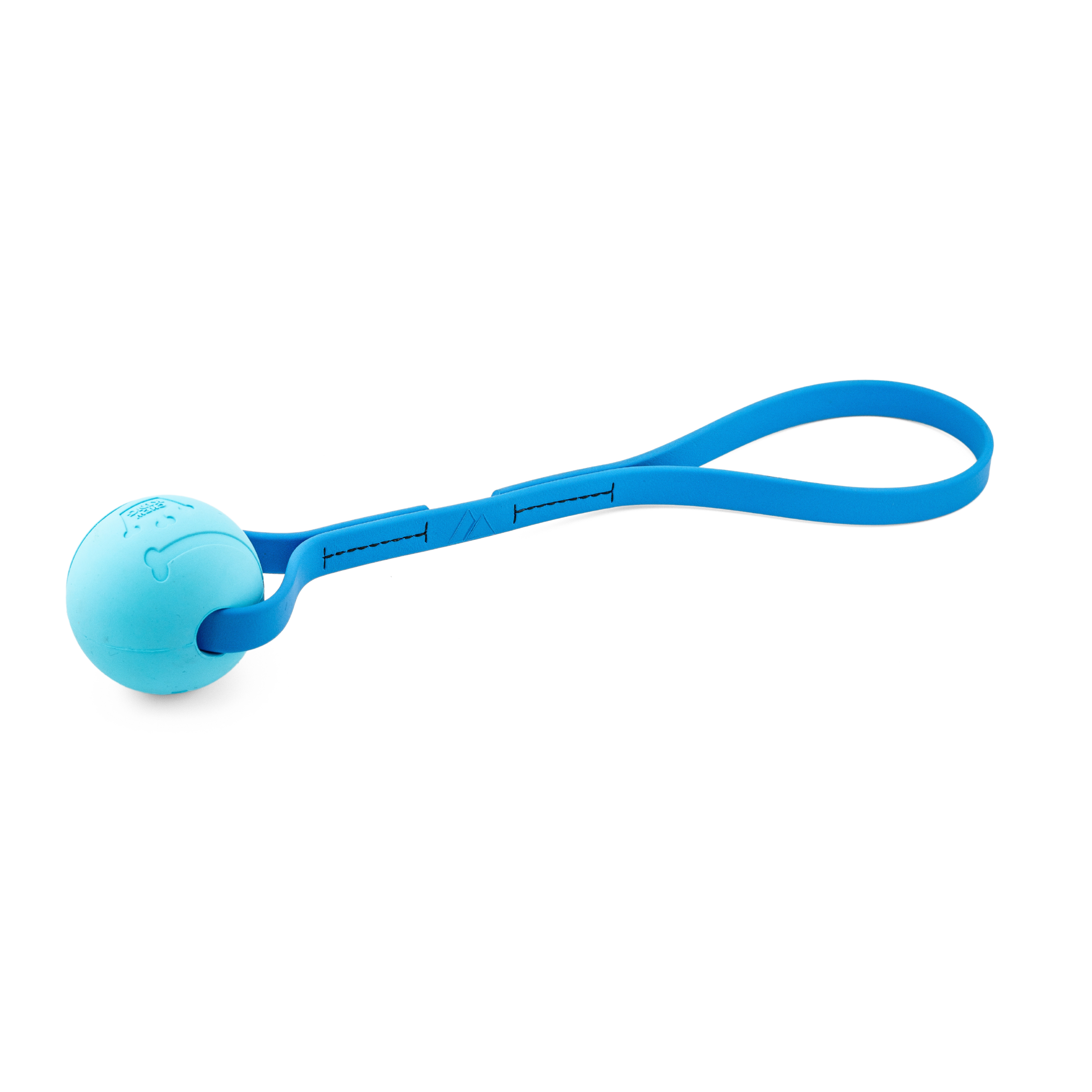
Ball-on-Rope Toys
Ball-on-rope toys combine a ball with a handle or rope attachment. This allows the handler to throw the toy easily while still maintaining control during tug or reward play.
These toys are especially useful for:
- Fetch-based rewards
- High-energy training sessions
- Dogs with strong chase drive
Rope Tugs
Rope tugs are another common training toy, often made from braided rope material.
They provide a durable gripping surface and can withstand significant pulling force during tug sessions.
However, if left out for unsupervised chewing, rope fibers can wear down quickly.
What Makes Training Toys Effective

Whether you are training a new puppy, or still working on your older dog, the effectiveness of a training toy often comes down to one key factor: scarcity.
When a toy is only available during play or training, it becomes more exciting and valuable to the dog. This principle is often called toy value. Trainers intentionally manage toy access to keep motivation high.
Instead of leaving the toy out all day, they bring it out during specific moments—rewarding the dog with play when the toy appears. This creates anticipation and excitement.
For many dogs, seeing their tug toy come out becomes a signal that something fun is about to happen.
What Are Chew Toys?
Chew toys serve a completely different purpose, instead of interactive play, chew toys are designed for independent use. Dogs use chew toys to satisfy their natural urge to chew, which is a deeply ingrained behavior.
Chewing helps dogs:
- Relieve boredom
- Release energy
- Soothe teething discomfort
- Reduce stress
- Maintain dental health
Because chewing involves repetitive grinding pressure from teeth, chew toys must be designed specifically to handle that type of wear.
These toys are typically made from materials like:
- Natural rubber
- Nylon
- Compressed fibers
- Durable composite materials
Unlike training toys, chew toys are often left out for dogs to access freely.
Common Types of Chew Toys
Chew toys come in many forms, but they all share one goal: standing up to sustained chewing.
Rubber Chew Toys
Rubber toys are among the most common chew toys. They’re flexible yet durable and easy to keep clean, which allows them to withstand repeated chewing while remaining safe for teeth.
Many rubber toys can also be stuffed with treats, turning them into mental enrichment tools.
Nylon Bones
Nylon chew toys are extremely durable and designed for heavy chewers. They resist long-term grinding and provide a firm surface that satisfies a dog’s chewing instinct.
Because they’re built specifically for chewing pressure, they tend to last much longer than most other toy types.
Natural Chews
Some chew toys come from natural materials like:
- Dried tendons
- Antlers
- Rawhide alternatives
- Compressed wood fibers
These provide dogs with a more natural chewing experience, though durability varies depending on the material.
Why the Difference Matters
Using a toy for the wrong purpose can create several problems. The most common issue is premature wear. Training toys like tug toys and rope toys are built for pulling force, not constant chewing. When dogs chew on them for extended periods, their teeth slowly weaken the fibers and stitching.
Over time, this shortens the life of the toy. Another issue is reduced training value.
If a dog has access to a training toy all day, it often loses its excitement. When the toy becomes ordinary, it no longer works as a powerful reward during training sessions.
Keeping training toys separate helps maintain their value.
How Trainers Manage Toy Value
Professional trainers are very intentional about how toys are used.
Instead of leaving training toys out all day for the dogs to take as they want, they treat them as special rewards.
A typical training setup might look like this:
- Chew toys available throughout the day
- Training toys stored out of reach
- Tug or ball toys brought out only during play or training
This approach keeps the dog highly motivated when the toy appears.
It also prevents unnecessary wear from unsupervised chewing.
Over time, the dog begins to associate the training toy with engagement, work, and reward.

Choosing the Right Balance of Toys
Most dogs don’t need dozens of toys.
A simple balance often works best.
Many owners find success with:
- Two or three chew toys available for independent chewing
- One or two training toys reserved for interactive play
This setup allows dogs to satisfy their chewing instinct while keeping training toys exciting and valuable.
It also helps prevent toys from wearing out unnecessarily.
How to Tell If a Toy Is Being Used Incorrectly
Sometimes the easiest way to identify toy misuse is by looking at the wear pattern.
If a tug toy shows heavy chew marks along the edges, it’s likely being used as a chew toy rather than an interactive toy.
Signs a training toy is being misused include:
- Frayed fibers from chewing
- Flattened bite areas
- Excessive wear along seams
- Shredded rope strands
When this happens, the best solution is usually simple: store the toy between sessions.
The Takeaway
Not all dog toys serve the same purpose. Training toys are designed for interactive play between you and your dog. They create engagement, reward behavior, and strengthen the connection between handler and dog.
Chew toys, on the other hand, are built for independent chewing and long-term durability.
Using each toy type for its intended purpose helps your dog stay more engaged during play, keeps training sessions rewarding, and allows your gear to last longer.
In the end, the goal isn’t just giving your dog something to play with. It’s creating better interaction, better training, and better play experiences for both of you.
Check out Bolder K9 on Instagram!