BioThane Leashes
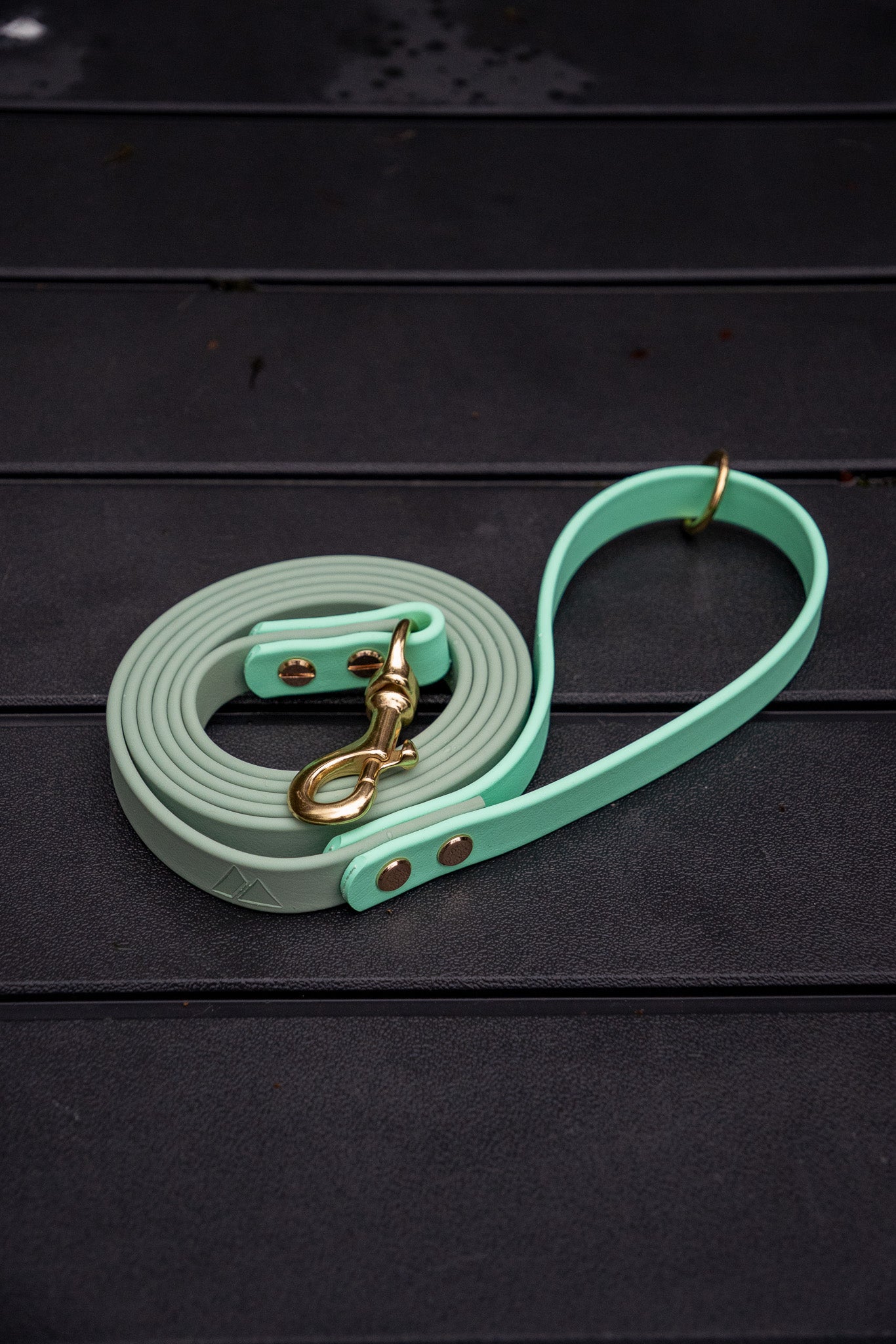
Best for daily reactive dog walks, neighborhood training, and handlers who want a waterproof leash that is easy to clean after real use.
Shop leashesReactive Dog Gear Guide
Choosing gear for a reactive dog is about safety, control, comfort, and consistency. This guide breaks down the leashes, collars, long lines, safety connectors, and reward tools that can make daily training more manageable.

A reactive dog needs secure, predictable, easy-to-handle gear that helps the handler maintain control without adding unnecessary stress. The best setup usually includes a strong leash, a properly fitted collar or harness, a backup safety connector, and training tools that support distance, decompression, and reward-based work.
Reactive dog gear is not about overpowering the dog. It is about giving the handler better timing, safer handling, and more room to move when triggers appear.
Answer-first guide
Choose reactive dog gear based on security, control, comfort, and the type of training environment. A dog that reacts to dogs, people, cars, bikes, or wildlife needs equipment that helps you create space quickly and handle sudden movement safely.
A secure leash and collar or harness connection matters most. For dogs that lunge or panic, a backup safety connector adds redundancy between two attachment points.
A 5–6 foot leash is best for controlled walks. A long line is better for decompression walks, recall practice, and giving reactive dogs room to sniff without being off leash.
BioThane is a strong choice for reactive dog gear because it is waterproof, easy to clean, odor-resistant, and smooth in the hand.
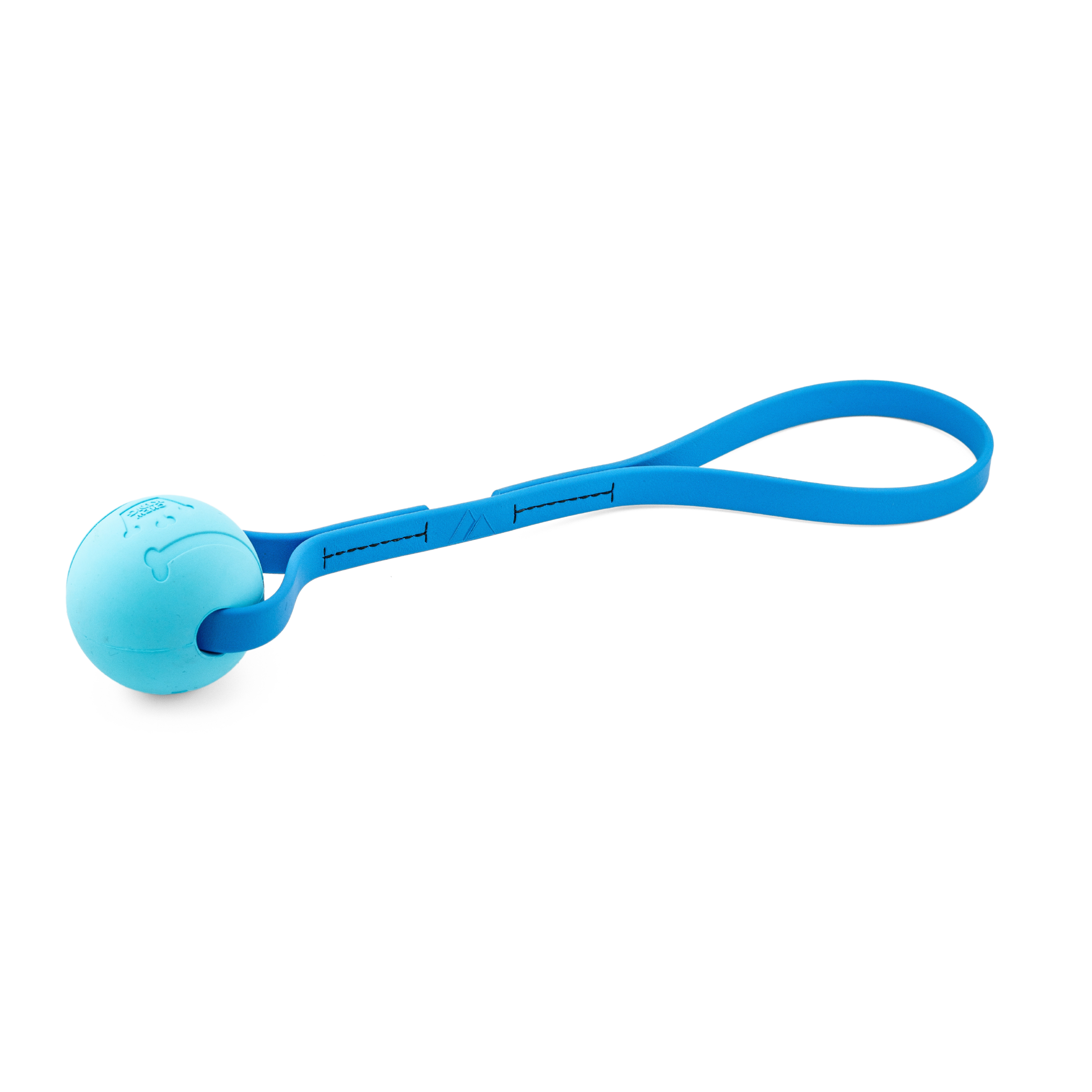
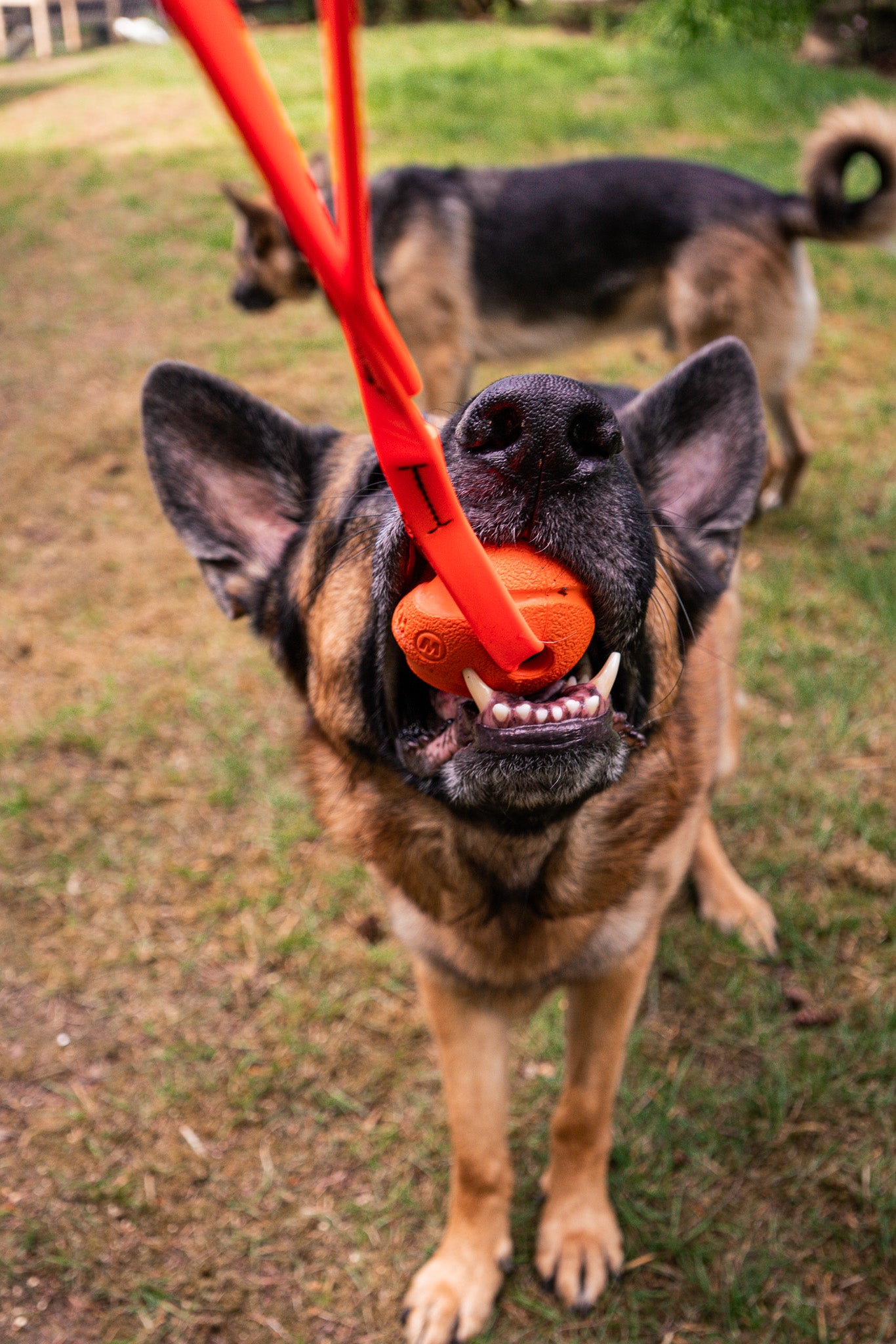
A tug toy can help some dogs redirect energy, build engagement, and reward focus. It should be used as part of a clear training plan, not as a distraction-only tool.

Safety first
The safest leash setup for a reactive dog is one that prevents equipment failure, gives the handler clear control, and avoids unnecessary slack around triggers. Many handlers use a standard leash attached to a primary collar or harness plus a short safety connector to a second attachment point.
For dogs that back out of gear, spin, lunge, or redirect, a backup connection can provide an extra layer of security. The goal is not to restrict the dog more harshly. The goal is to reduce risk while training better responses.
Compare your options
The best leash for a reactive dog depends on where you are training. Standard leashes, hands-free leashes, traffic handles, and long lines each solve a different problem.
| Gear Type | Best For | Reactive Dog Benefit |
|---|---|---|
| Standard leash | Daily walks and training sessions | Simple control and clear handling |
| Hands-free leash | Structured walks and active handlers | Keeps connection steady while freeing the hands |
| Traffic handle or tab | Passing dogs, people, cars, or tight spaces | Allows quick close control when needed |
| Long line | Decompression walks and open-space training | Gives more freedom without going off leash |
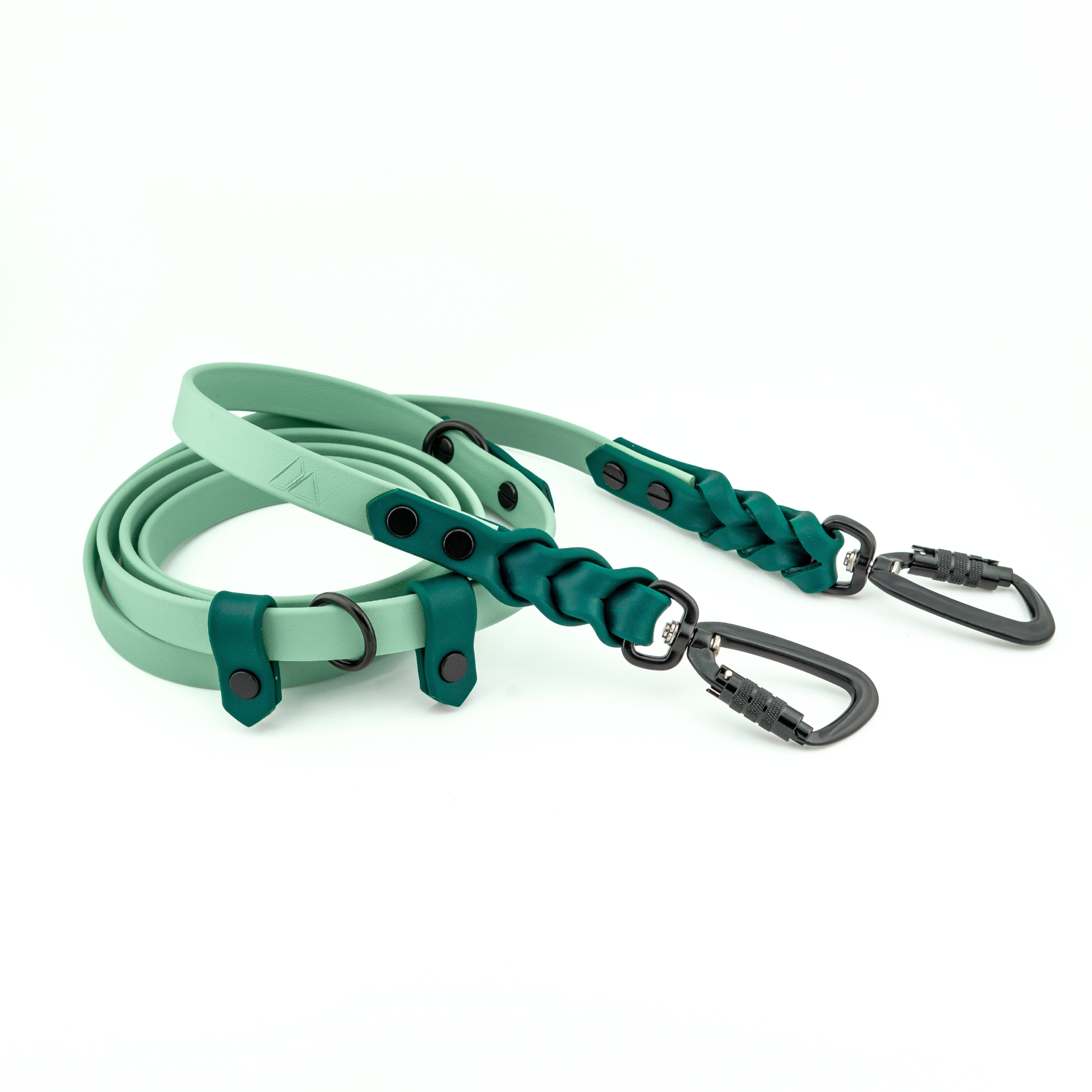
| Safety connector | Backup attachment between collar and harness | Adds security if one attachment point fails |
Recommended setup
These product categories are practical starting points for dogs that need more structure, safer handling, and durable gear for daily training.
Best for daily reactive dog walks, neighborhood training, and handlers who want a waterproof leash that is easy to clean after real use.
Shop leashesHelpful for structured walks, active handlers, and dogs that benefit from a consistent connection during movement.
Shop hands-free leashesUseful for decompression walks, recall practice, and giving reactive dogs space in lower-trigger environments.
Shop long linesA smart backup for dogs that lunge, panic, slip gear, or need a second point of attachment during walks.
Shop safety connectorsGreat for dogs that enjoy interactive rewards and need a productive outlet for drive during training.
Shop tug toysChoose a secure, properly fitted collar that supports safe leash handling without creating unnecessary discomfort.
Shop collarsCommon Questions
These are the questions dog owners commonly ask when choosing gear for a reactive dog.
The best gear for a reactive dog is secure, durable, easy to handle, and appropriate for the dog’s size and behavior. A strong leash, well-fitted collar or harness, backup safety connector, and reward-based training tool are the most useful pieces.
A 5–6 foot leash is usually best for reactive dogs during controlled neighborhood walks. It gives enough room for natural movement while keeping the dog close enough to manage triggers.
Hands-free leashes can be good for some reactive dogs when the handler has strong leash skills and the setup fits correctly. For strong lungers, a standard leash or close-control option may be better.
Reactive dogs can use either a collar or harness depending on the dog, training plan, and handler comfort. Many handlers use both with a safety connector for added security.
A backup safety clip is a smart choice for many reactive dogs because it adds a second connection point. This is especially useful for dogs that lunge, panic, spin, or try to back out of gear.
BioThane is excellent for reactive dog gear because it is strong, waterproof, odor-resistant, and easy to clean. It is practical for rain, mud, fields, trails, and daily neighborhood training.
A reactive dog’s everyday leash should usually be 5–6 feet long. Longer leashes and long lines are better for decompression walks, recall training, and lower-trigger environments.
Long lines are good for reactive dogs when used in safe, open spaces with enough distance from triggers. They allow the dog to sniff, explore, and decompress without being fully off leash.
Reactive dogs can use tug toys for training if they enjoy tug and can respond to cues around the toy. Tug can be a powerful reward for engagement, focus, and recall away from triggers.
No gear alone stops leash reactivity, but the right gear can make training safer and easier. A secure leash setup, enough distance, high-value rewards, and consistent handling support better behavior over time.
The safest way to walk a reactive dog is to use secure gear, create distance from triggers, avoid crowded spaces when possible, and keep the leash short enough to prevent sudden lunges.
Avoid using gear that is poorly fitted, too complicated, too weak, or too long for the environment. Gear should make training clearer and safer, not replace training.
Quick recap
Purchase checklist
Use shorter control for busy walks and longer lines for open, lower-trigger spaces.
Make sure the collar, harness, leash, clips, and backup connector fit correctly and are not worn out.
Reactive dog training happens in real environments. Pick gear that handles rain, mud, daily use, and sudden movement.
FAQ
Reactive dog gear is equipment that helps handlers safely walk, train, and manage dogs that overreact to triggers like dogs, people, cars, bikes, or wildlife.
No, gear does not fix reactivity by itself. Good gear helps make training safer, clearer, and more manageable while the dog learns better responses.
A long line can be safe for a reactive dog in open, low-trigger areas. It is not ideal for crowded spaces where sudden triggers may appear too close.
Yes, a safety connector is a smart backup for many reactive dogs, especially dogs that lunge, slip gear, panic, or need two points of attachment.
Clean BioThane gear by wiping it with water and mild soap, then letting it dry. It does not absorb water or odor like many fabric materials.