Find a Better Leash
Retractable leashes are one of the most popular dog walking tools on the market, and at first glance, it's easy to see why. Retractable leashes allow dogs more freedom to explore, give owners adjustable leash length, and seem like a simple way to make walks more enjoyable.
For some small dogs in low-distraction environments, they can occasionally serve a purpose. For large dogs, however, retractable leashes often create more problems than they solve. Many professional trainers, behaviorists, and experienced dog owners avoid retractable leashes altogether when working with medium and large breeds—and for good reason.
Our team at Bolder K9 is going to break it down.

The Problem Starts with Control
A leash is about more than just looks. Every leash serves one primary purpose: To maintain a safe connection between dog and handler.
The larger and stronger the dog, the more important that connection becomes. Retractable leashes are designed to provide distance, not control.
When a large dog suddenly decides to chase a squirrel, greet another dog, investigate a distraction, or react to a trigger, the handler often finds themselves managing significant force from 10, 15, or even 20 feet away, trying to keep them from slipping away.
At that distance, response time shrinks dramatically.
The further a dog gets from the handler, the harder it becomes to influence their behavior before a situation develops.
Large Dogs Generate More Force Than Most People Realize
A 15-pound dog reaching the end of a retractable leash is very different from an 85-pound dog doing the same thing.
When a large dog accelerates and hits the end of a fully extended leash, the force generated can be substantial.
This can result in:
- Handler injuries
- Loss of balance
- Wrist strain
- Shoulder injuries
- Falls
- Equipment failure
The problem isn't simply the dog's size, it's the combination of speed, distance, and leverage.
The longer the leash, the more difficult it becomes to manage sudden movement.

Retractable Leashes Encourage Pulling
One of the most overlooked downsides of retractable leashes is the training they provide.
Most retractable leash systems work through constant tension. To gain more freedom, the dog learns to move forward and maintain pressure on the leash.
Over time, this can unintentionally reinforce pulling behavior.
From the dog's perspective:
- Pulling forward creates more distance.
- More distance allows more exploration.
- More exploration feels rewarding.
The leash itself teaches the dog that pressure works.
This directly conflicts with the loose-leash walking skills many owners are trying to develop.
Emergencies Happen Fast
Many leash-related accidents occur in seconds.
A door opens.
A cyclist appears.
A child runs past.
Another dog rounds a corner.
In these moments, having a dog 15 feet away can significantly reduce a handler's ability to react. Large dogs often require immediate communication and guidance in changing environments.
The more distance between handler and dog, the less effective that communication becomes. A standard leash keeps the dog within a manageable range where guidance can happen quickly and safely.

The Thin Cord Creates Additional Risks
Many retractable leashes use a narrow cord or tape design.
While this helps the leash retract smoothly, it introduces additional concerns.
If the leash wraps around:
- Legs
- Hands
- Fingers
- Ankles
- Other dogs
it can cause cuts, burns, or injuries.
These incidents become more likely when dogs are moving quickly or changing directions unexpectedly.
While accidents are relatively uncommon, the risk increases with larger, more powerful dogs.
Equipment Can Fail
Like any mechanical device, retractable leashes rely on internal moving parts.
Buttons can stick.
Locking mechanisms can fail.
Springs can wear out.
Cords can fray.
While many products perform as intended, adding mechanical complexity introduces additional points of failure compared to a traditional leash.
For owners of large dogs, equipment reliability becomes increasingly important as the consequences of failure become greater.

Freedom Isn't the Same as Exercise
One argument often made in favor of retractable leashes is that they allow dogs more freedom.
That's true. But freedom and exercise aren't always the same thing.
Many owners use retractable leashes because they want their dog to move naturally and explore.
There are often better ways to accomplish that goal.
For example:
- Long lines
- Structured decompression walks
- Hiking trails
- Secure fenced areas
- Training fields
- Sniffing sessions in safe environments
These options provide freedom while maintaining a stronger level of control and communication.
What About Well-Trained Large Dogs?
Even exceptionally well-trained dogs can be unpredictable.
Every dog has moments of distraction.
Every dog encounters something new.
Every dog can make a mistake.
Leash choices shouldn't be based on what happens during 99% of walks.
They should be based on what happens during the 1% of situations that are unexpected.
The ability to quickly manage those moments is one of the biggest reasons many trainers prefer traditional leash systems for larger dogs.

Better Alternatives for Large Dogs
If your goal is more freedom without sacrificing control, consider:
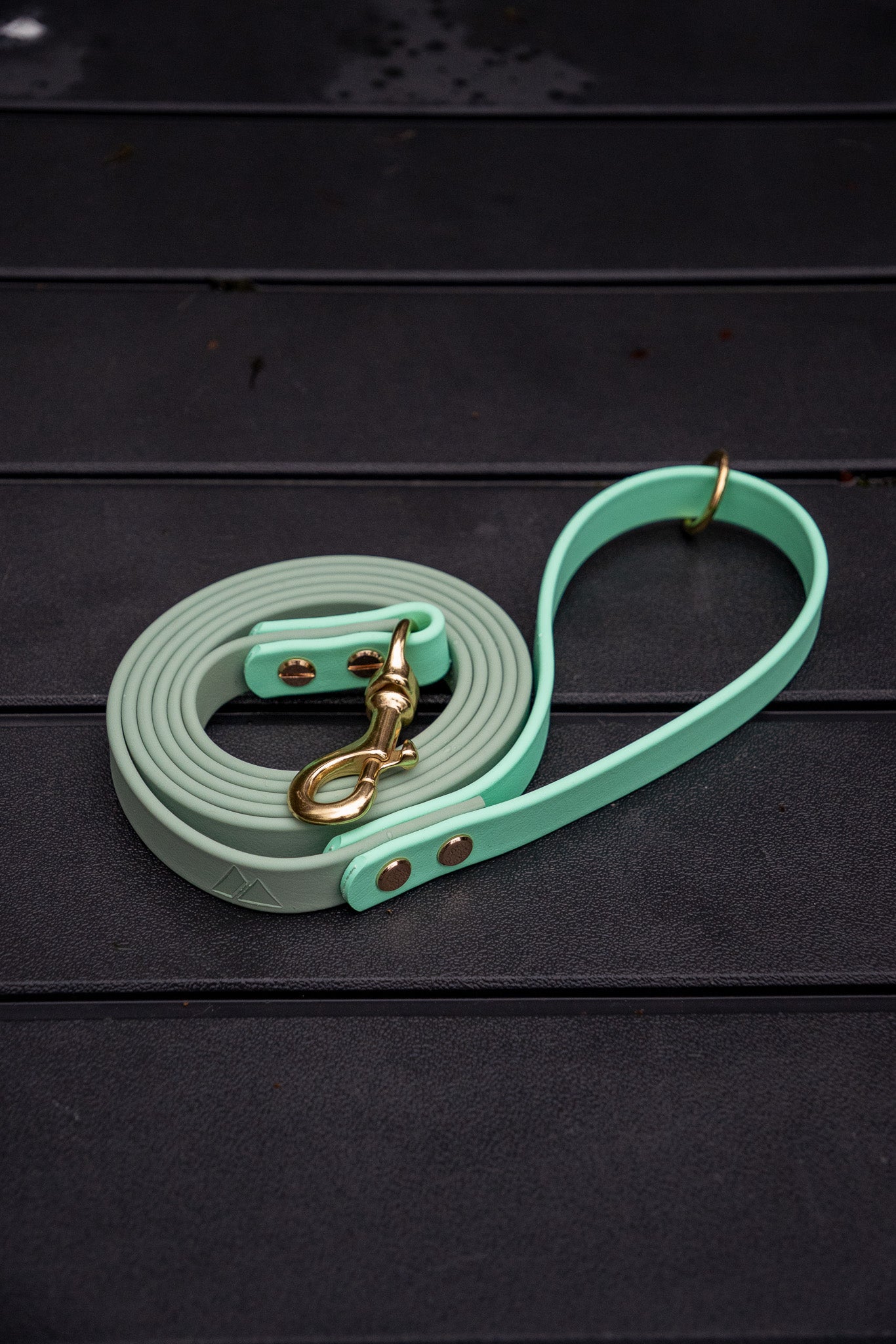
Standard Leashes
A traditional 4- to 6-foot leash provides reliable communication and control for daily walks.
Long Lines
Long lines offer significantly more freedom while remaining predictable and easy to manage in open spaces.
Hands-Free Leashes
Hands-free systems can improve comfort and convenience while maintaining consistent control.
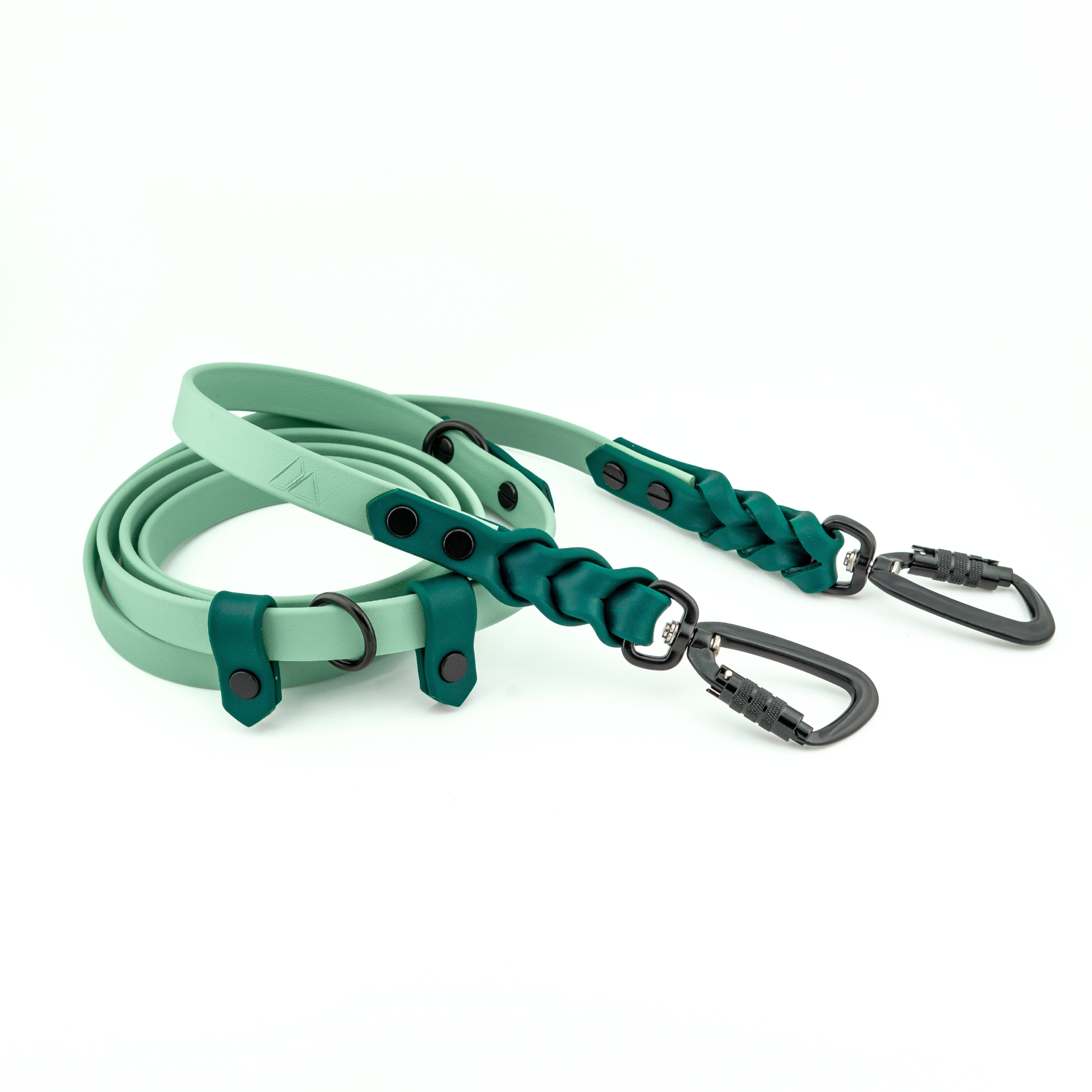
Training Leashes
Adjustable-length leashes can provide flexibility without the drawbacks of retractable systems.
The best choice depends on your dog's training level, environment, and daily routine.
Final Thoughts
Retractable leashes are popular because they seem to offer the best of both worlds: freedom for the dog and convenience for the owner.
For large dogs, however, that convenience often comes with tradeoffs.
Reduced control, increased pulling, delayed response times, and potential safety concerns can make retractable leashes a poor choice for many larger breeds.
While every dog and handler team is different, a traditional leash often provides a safer, more predictable, and more effective walking experience.
At the end of the day, the best leash isn't the one that gives your dog the most distance.
It's the one that helps keep both of you safe, connected, and confident wherever your walks take you.
Be sure to check out Bolder K9 on Instagram!