1. Collar + ID
Choose a lightweight adjustable collar that fits with the two-finger rule. Your puppy’s collar should hold ID tags and support short, supervised leash sessions.
New puppy gear guide
A practical, answer-first guide to new puppy gear: collars, leashes, long lines, tug toys, training basics, safety, sizing, and easy-clean materials that can handle real puppy life.

Answer-first puppy gear guide
You do not need a house full of random puppy products. You need a simple, safe setup that helps with potty breaks, leash practice, recall, training rewards, containment, cleanup, and daily structure.
The core puppy gear list is a properly fitted collar, a standard leash, a long line, a safe harness if needed, a crate or pen, training treats, tug toys, food and water bowls, cleanup supplies, and enrichment items. Choose gear that is adjustable, easy to clean, and appropriate for your puppy’s current size.
Start here
For the first week home, focus on gear that supports safety, routine, and training. Add specialty gear later once you understand your puppy’s size, drive, confidence, and daily needs.
Choose a lightweight adjustable collar that fits with the two-finger rule. Your puppy’s collar should hold ID tags and support short, supervised leash sessions.
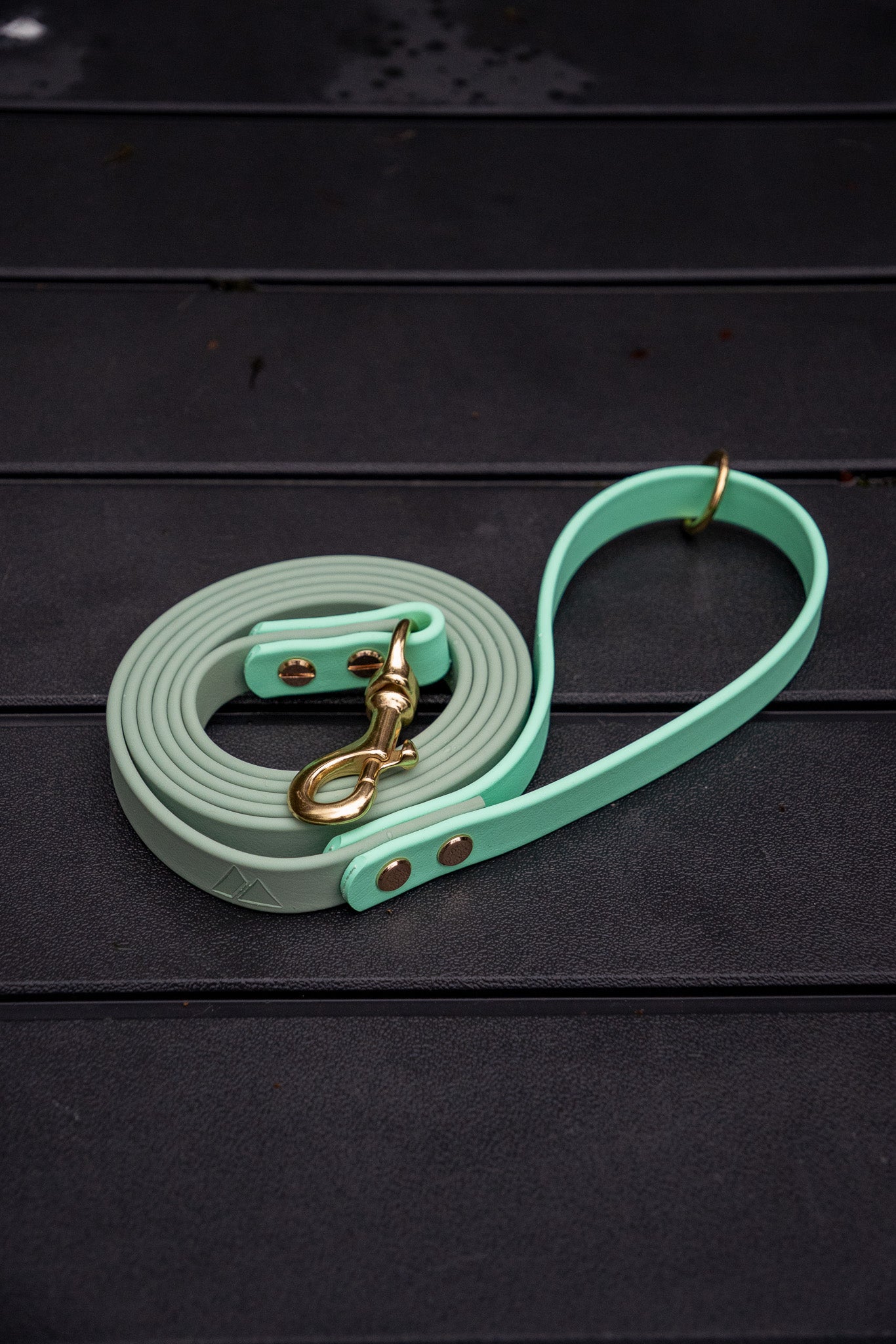
A 4 to 6 foot leash is the everyday tool for potty breaks, vet visits, neighborhood walks, and early leash manners.
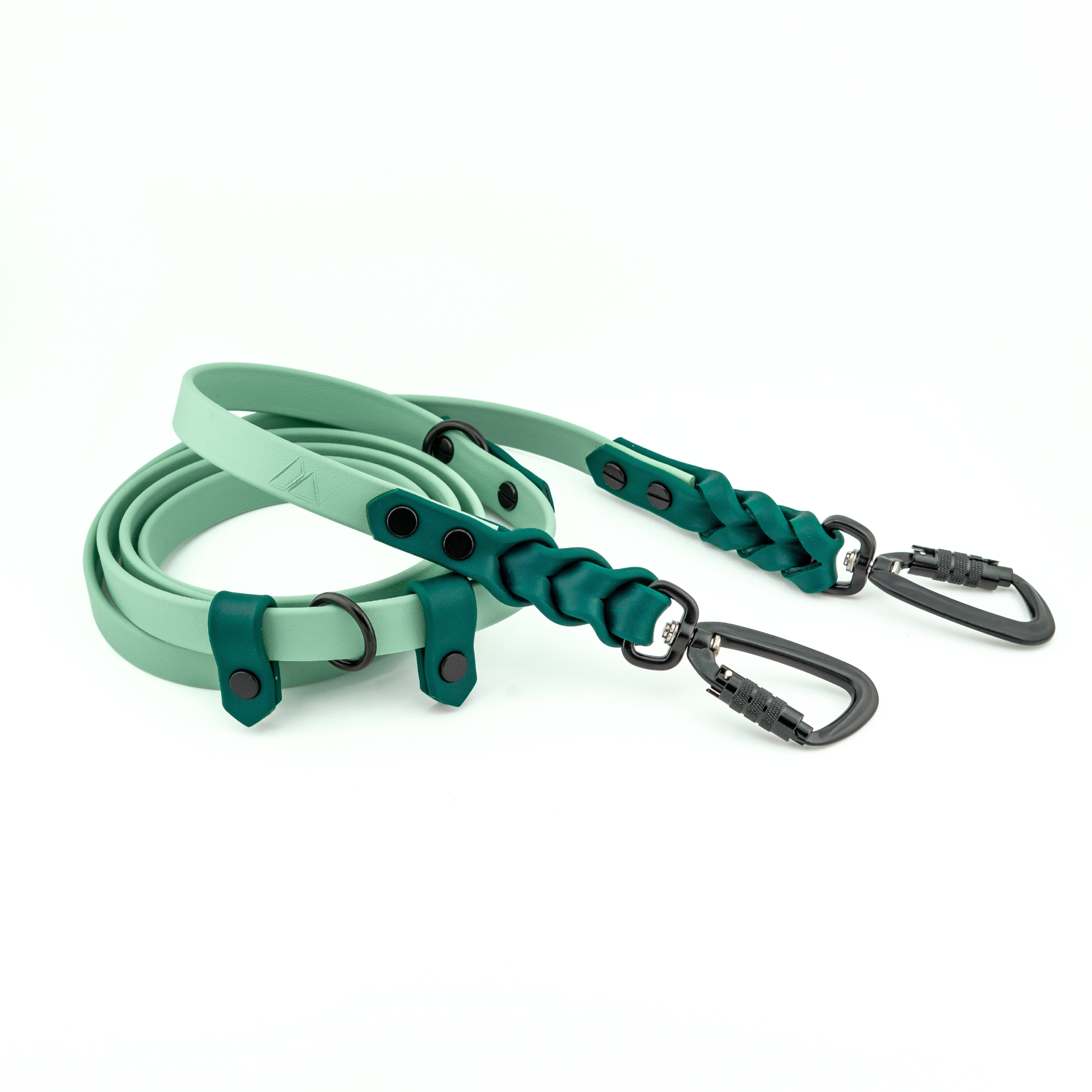
A 10 to 20 foot long line gives your puppy safe freedom while you practice recall, outdoor engagement, and decompression walks.
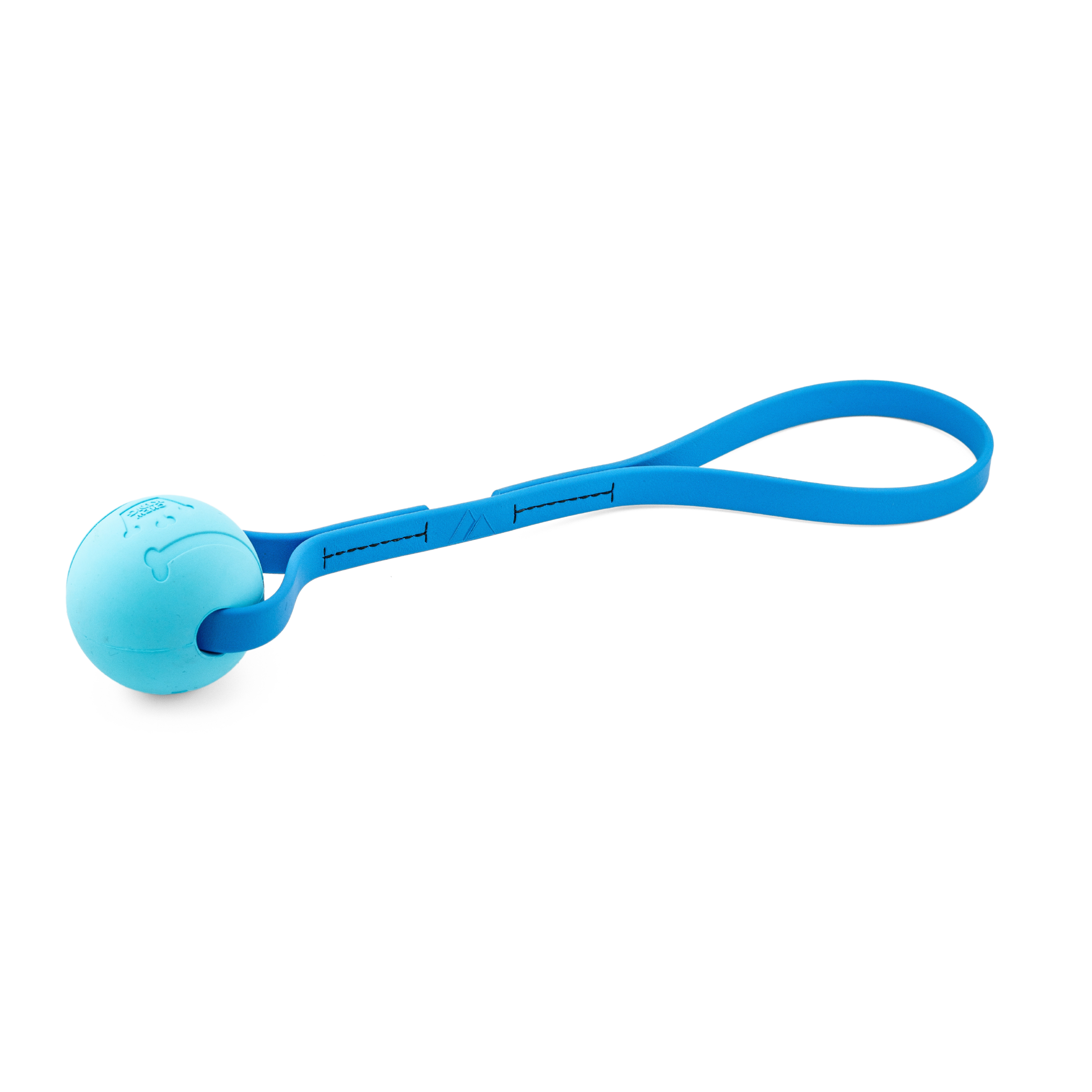
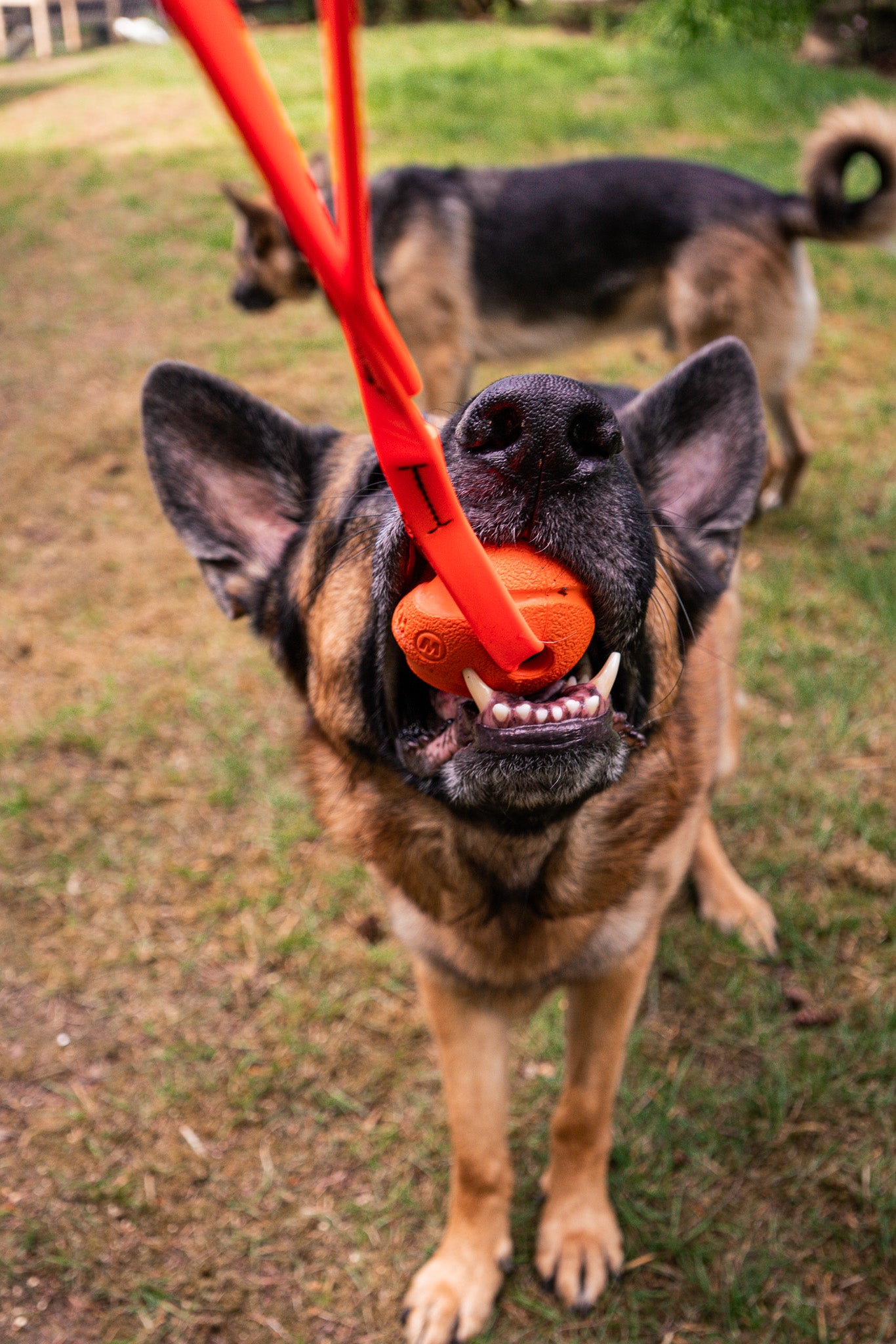
A training tug builds engagement, confidence, and play skills. Use tug toys for supervised reward play, not as unsupervised chew toys.
Containment helps with potty training, naps, household management, and safety when you cannot directly supervise your puppy.
Keep enzymatic cleaner, towels, poop bags, grooming wipes, and a simple cleaning routine ready before your puppy comes home.

Fit and safety
The best puppy walking setup is secure, simple, and easy to clean. Puppies grow quickly, so choose adjustable gear and check the fit often.
Use a soft tape around the middle of the neck. Choose a collar range that gives your puppy room to grow without being loose enough to slip.
A regular leash teaches your puppy to move with you, check in, and settle into everyday handling.
A long line lets your puppy explore while you keep physical control. It is one of the safest ways to build off-leash foundations.
Material guide
Puppy gear gets dirty fast. Material matters because your leash and collar will see rain, grass, mud, food, training treats, and potty training mess.
| Feature | BioThane | Nylon |
|---|---|---|
| Cleaning | Wipes clean with mild soap and water | Often needs deeper washing |
| Water resistance | Waterproof and odor-resistant | Can absorb water and smell |
| Best use | Daily puppy gear, outdoor training, muddy walks | Light use, budget gear, backup items |
| Maintenance | Low maintenance | May fray, stain, or retain odor over time |
Recommended setup
These product categories cover the everyday puppy basics: control, safety, recall, play, and easy cleanup.

First collar
A practical first collar for puppies that need secure ID, supervised leash practice, and a material that wipes clean after everyday mess.
Shop puppy collars
Everyday control
A simple daily leash for potty breaks, vet visits, early leash manners, and neighborhood walks.
Shop leashes
Recall foundation
A safe way to give your puppy more freedom while practicing recall, engagement, and outdoor exploration.
Shop long lines
Training reward
A structured reward toy for supervised play, confidence building, and engagement during short training sessions.
Shop tug toys
Training foundations
The best puppy training gear helps you reward good choices, manage freedom, and build engagement without overwhelming your puppy.
AEO question hub
These are the questions new puppy owners most often ask when choosing collars, leashes, long lines, tug toys, and everyday puppy gear.
A new puppy needs a properly fitted collar, a lightweight leash, a safe long line, durable training rewards, easy-clean food and water gear, a crate or confinement setup, cleanup supplies, and basic enrichment. Start with gear that is simple, secure, and easy to adjust as your puppy grows.
The first collar for a puppy should be lightweight, adjustable, and comfortable enough for supervised daily wear. A BioThane adjustable collar is a practical choice because it is waterproof, easy to wipe clean, and can handle mud, rain, food mess, and early puppy training.
Your puppy’s collar should fit snugly with enough room for two fingers between the collar and the neck. Measure the middle of the neck with a soft tape and choose an adjustable collar with room to grow.
A puppy can wear a collar during supervised daily life, training, and leash practice, but collars should be removed during unsupervised crate time or rough play if there is a snag risk. Safety matters more than leaving gear on constantly.
The best leash for a new puppy is lightweight, easy to grip, and long enough for calm walking without giving too much freedom. A standard 4 to 6 foot leash is ideal for early leash manners, vet visits, potty breaks, and neighborhood walks.
Yes, a long line is one of the most useful puppy training tools. It gives your puppy safe freedom while you practice recall, exploration, decompression walks, and outdoor engagement before your puppy is ready to be off leash.
Most puppies do well with a 10 to 20 foot long line. Shorter lines are easier for beginners to manage, while longer lines give more space for recall work and open-field practice.
Yes, BioThane is excellent for puppy gear because it is waterproof, odor-resistant, easy to clean, and strong without needing much maintenance. It is especially useful for puppies because puppy gear gets dragged through dirt, rain, grass, food, and training mess.
BioThane is often better than nylon for puppies because it does not absorb water, odor, or grime the same way woven nylon can. Nylon can still work, but BioThane is easier to wipe clean after potty trips, muddy walks, and outdoor training.
Most puppies benefit from both a collar and a well-fitted harness. A collar is useful for ID tags and short leash practice, while a harness can reduce neck pressure for young puppies that pull, bounce, or are still learning leash manners.
The most useful puppy training gear includes a standard leash, long line, training collar or harness, food rewards, a tug toy, a crate or pen, and cleanup supplies. For active puppies, a durable tug toy can help build engagement and give your puppy a structured outlet for play.
The best tug toy for a puppy is appropriately sized, easy to grip, and soft enough for young mouths while still durable. Bolder K9 puppy-friendly tug toys are built for training, reward play, and handler engagement rather than unsupervised chewing.
Yes, puppies can use tug toys when play is supervised and the toy is sized appropriately. Tug should be interactive, controlled, and fun, not a free-for-all chew session.
Avoid oversized collars, heavy leashes, retractable leashes, poorly fitted harnesses, and toys that are too hard, too small, or meant for unsupervised chewing. New puppy gear should be secure, simple, and matched to your puppy’s current size and training level.
You may need to adjust or replace some puppy gear every few weeks during fast growth periods. Adjustable collars, practical leashes, and durable BioThane gear can reduce how often you need to replace items.
BioThane puppy leashes and collars can usually be cleaned with warm water, mild soap, and a quick wipe with a towel. This makes them practical for potty training, rain, mud, food mess, and everyday puppy chaos.
Quick recap
Start with a collar, leash, long line, training rewards, containment, cleanup supplies, and safe enrichment.
Check collar and harness fit often. Puppies grow quickly, and loose or tight gear can create safety problems.
BioThane is practical for puppies because it wipes clean after mud, rain, food mess, and outdoor training.
Use leashes, long lines, and tug toys to build safe freedom, engagement, and good habits from the start.
Purchase checklist
Measure your puppy’s neck and body before ordering. Choose adjustable gear with room to grow.
Use a standard leash for daily life, a long line for recall, and tug toys for supervised training play.
Pick materials that can handle accidents, dirt, weather, and regular wipe-downs.