Secure, understandable fit
You should be able to check and reproduce the fit without guesswork as coat, weight, and routine change.

Start with dependable basics. Learn the dog in front of you. Add freedom and specialized gear as your real-life routine becomes clearer.
A standard leash, a properly fitted everyday collar with identification, and one supervised toy the dog actually enjoys make a strong starting point. A long line can come later for controlled freedom in appropriate open spaces.
Rescue dogs are individuals, not a gear category. You may know very little about what the dog has worn before, how they respond to leash pressure, what they find rewarding, or how they behave in a brand-new environment.
That makes a simple setup especially useful. It gives you a dependable baseline while you learn the dog. Check fit regularly, attach current identification, and use equipment as management—not as a promise of behavior change.
You should be able to check and reproduce the fit without guesswork as coat, weight, and routine change.
A straightforward leash keeps the walking radius familiar while you learn strength, pace, triggers, and comfort level.
Rain, mud, wet grass, shelter grime, yard time, and frequent walks make wipeable gear a practical choice.
Some adopted dogs love tug immediately. Others do not. Let the dog’s actual preferences tell you what reward is useful.
These are not “mandatory rescue dog products.” They are practical, adaptable choices for everyday life while you learn what the individual dog needs.

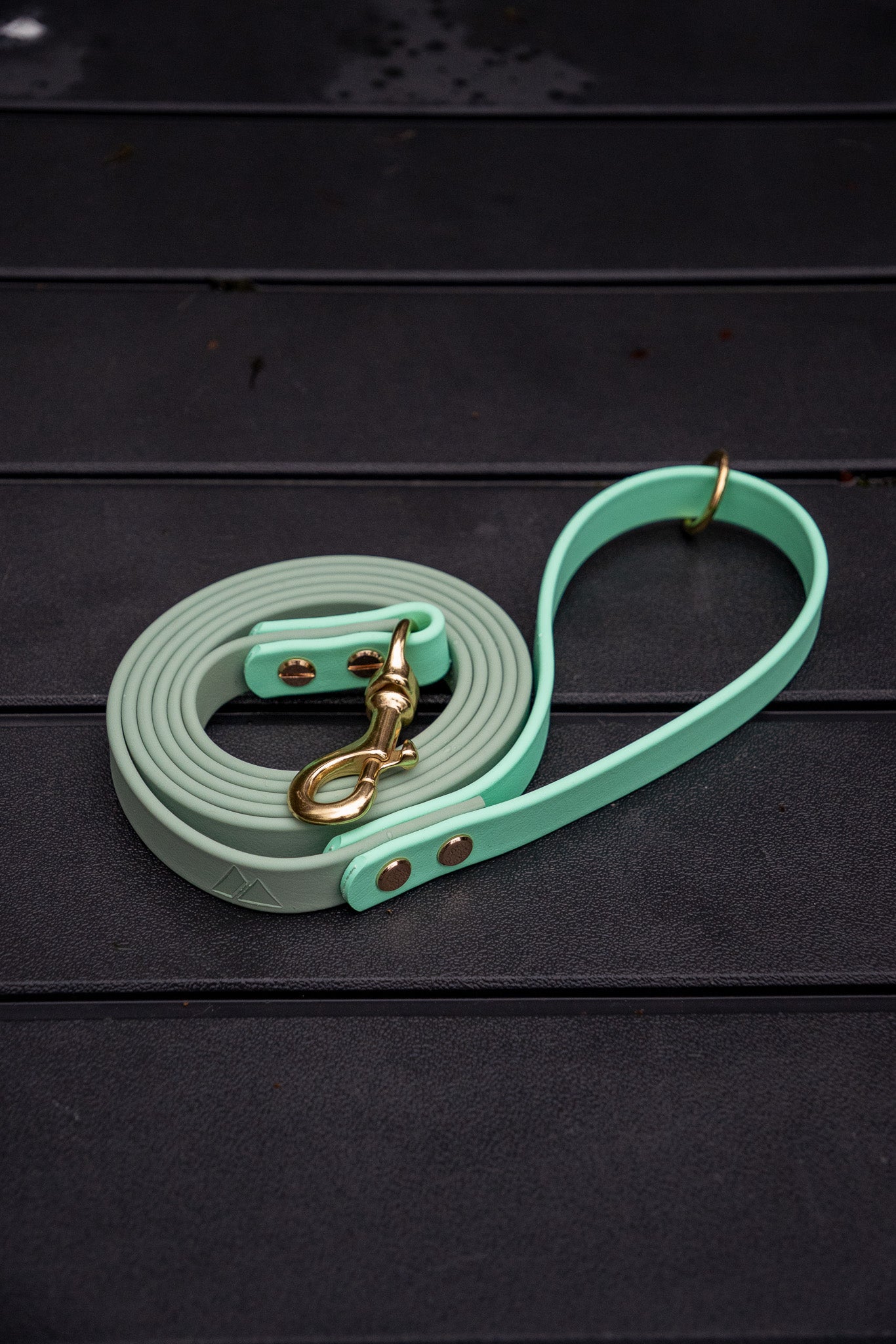
Bolder K9’s flagship standard leash is a strong place to start when you want one lead you can learn, hold, clean, and use consistently as routines take shape.
WHY IT FITS: simplicity is useful when you are still learning the dog.
SHOP ATLAS LEASH →
An adjustable 1-inch quick-release collar with a waterproof, wipeable BioThane® build. The real value is straightforward: consistent fit and everyday convenience.
WHY IT FITS: adjustability is useful while you are establishing a reliable daily setup.
SHOP ATLAS COLLAR →
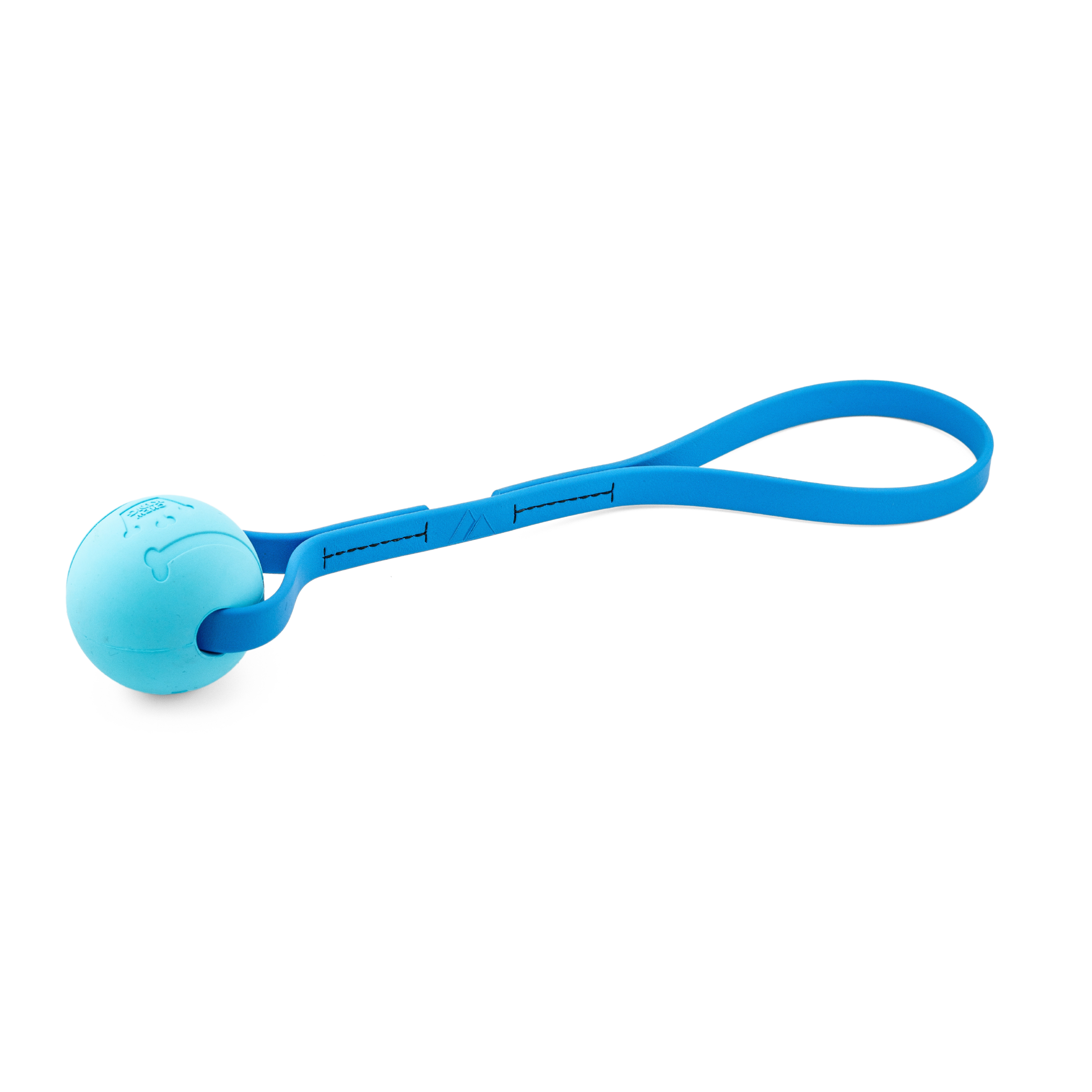
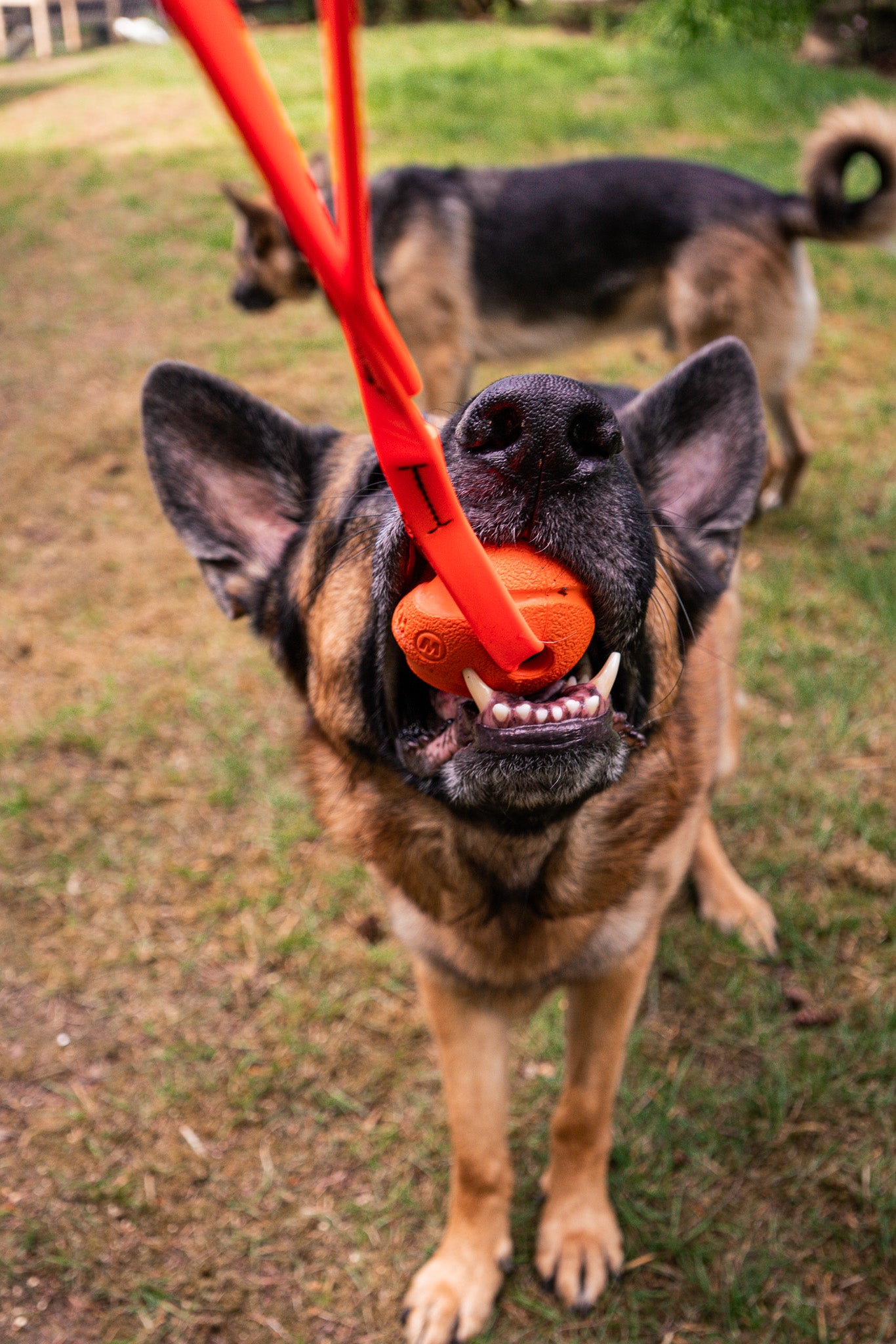
A simple tug-style reward toy for dogs that genuinely enjoy interactive play. Useful for engagement and training once you know tug is something the dog values.
WHY IT FITS: play helps you learn motivation without turning the toy into a behavioral promise.
SHOP ELEMENT TUG →
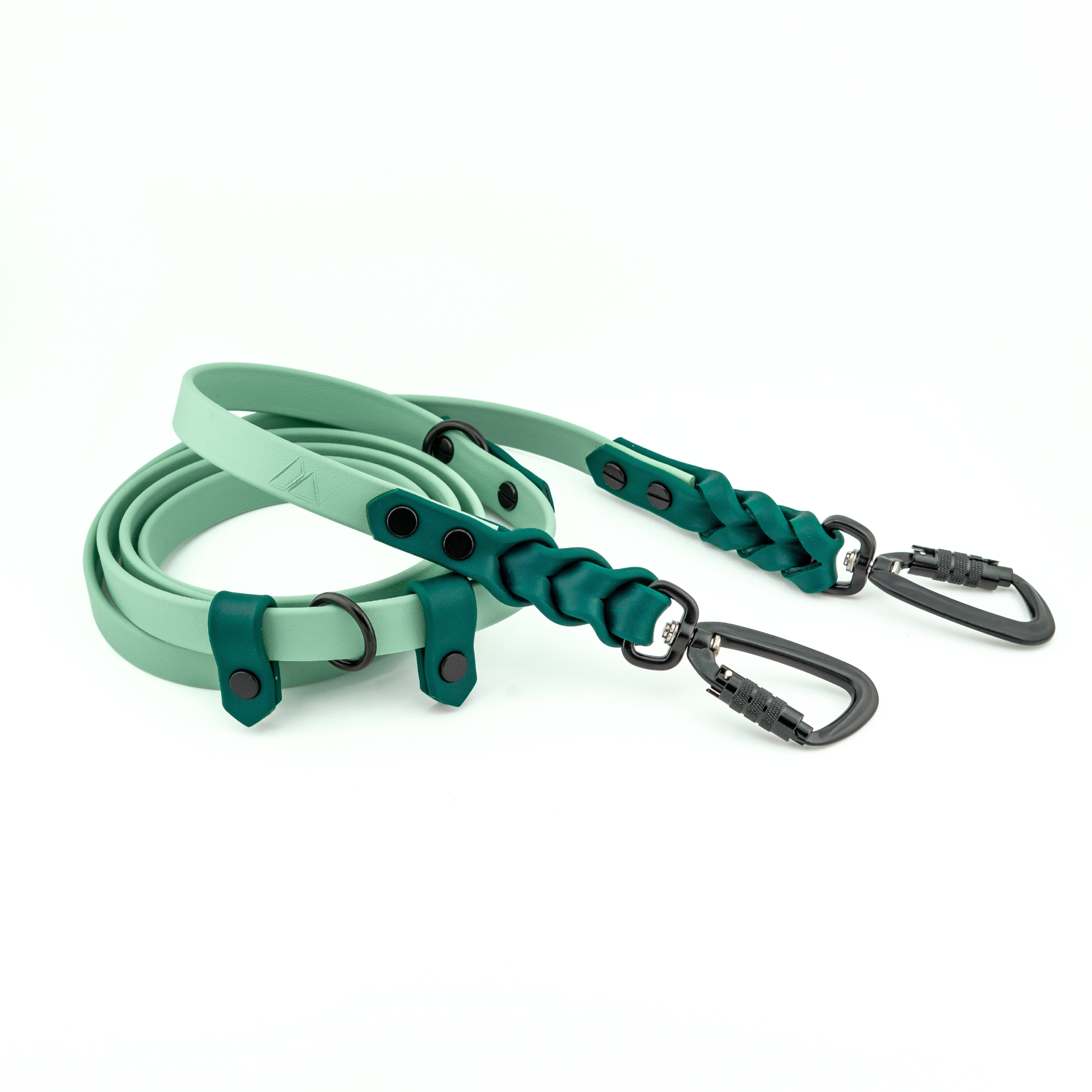
Once you understand how your dog moves, responds to you, and handles the environment, a long line can be a practical next tool for recall practice, sniff-heavy outings, decompression-style walks, and open-space exploration where local rules allow it.
Use it in appropriate space, keep it away from traffic and crowded paths, and learn safe line handling before adding speed or distance.
SEE THE ATLAS LONG LINE →Secure collar, current identification, standard leash, rewards, rest, and a manageable routine.
Notice strength, startle responses, toy preferences, environmental comfort, fit changes, and engagement.
Longer lines, different rewards, or more specialized gear should answer a real need—not fill a checklist.
Gear can support management and make routines easier. It does not replace training, fit, supervision, or individualized professional help when behavior or safety concerns are significant.
Have a properly fitted collar or harness, a leash, current identification, food and water supplies, a resting area, treats, and a few appropriate toys ready. Keep the setup simple so you can learn what the individual dog needs.
A standard leash is a sensible starting point because it keeps your handling distance familiar and manageable. Consider longer options after you understand the dog better.
Not necessarily. A long line creates more distance and therefore requires more handling skill and environmental awareness. It can be useful later for recall practice and controlled exploration in open, appropriate spaces.
Do not force it. Some dogs prefer food, sniffing, fetch, social interaction, or other rewards. A tug toy is useful only if the dog finds the game rewarding.
No. Equipment can support management and handling, but it does not change the underlying emotional or learned behavior by itself.
Waterproof, wipeable gear is practical for frequent walks in rain, mud, wet grass, and messy environments. Genuine BioThane® does not absorb water like many fabric materials, although hardware still needs normal inspection and care.
Start simple, fit everything carefully, supervise toys, and build freedom gradually. The best setup is the one you can use consistently while the dog learns your routine and you learn theirs.