High-value treats
Bring rewards your dog actually wants in the environment where you are searching. Use pieces small enough to deliver repeatedly without turning the session into a meal.
Good nosework gear does not do the searching for your dog. It gives the dog room to work, helps the handler stay organized, and keeps rewards ready for the moment the dog finds source.
A practical nosework kit usually starts with a manageable long leash, a comfortable collar or harness appropriate for the dog, high-value rewards, a clean treat pouch, and sport-specific scent supplies kept separate to reduce contamination.
 Give the nose room to lead.
In scent work, the handler is learning to read the dog rather than steering every step. A leash that is too short can make it easy to crowd the search; a leash that is excessively long can become its own handling problem. Ten feet is a useful middle ground for many teams, and current AKC beginner guidance specifically identifies a 10-foot leash as a practical scent-work size.
That does not make ten feet mandatory for every venue or every dog. Competition rules, search environments, dog size and handler skill still matter. Practice your leash handling before the leash becomes part of the puzzle.
A lightweight leash can make it easier to feel what your dog is doing without asking the line itself to become the star of the search.
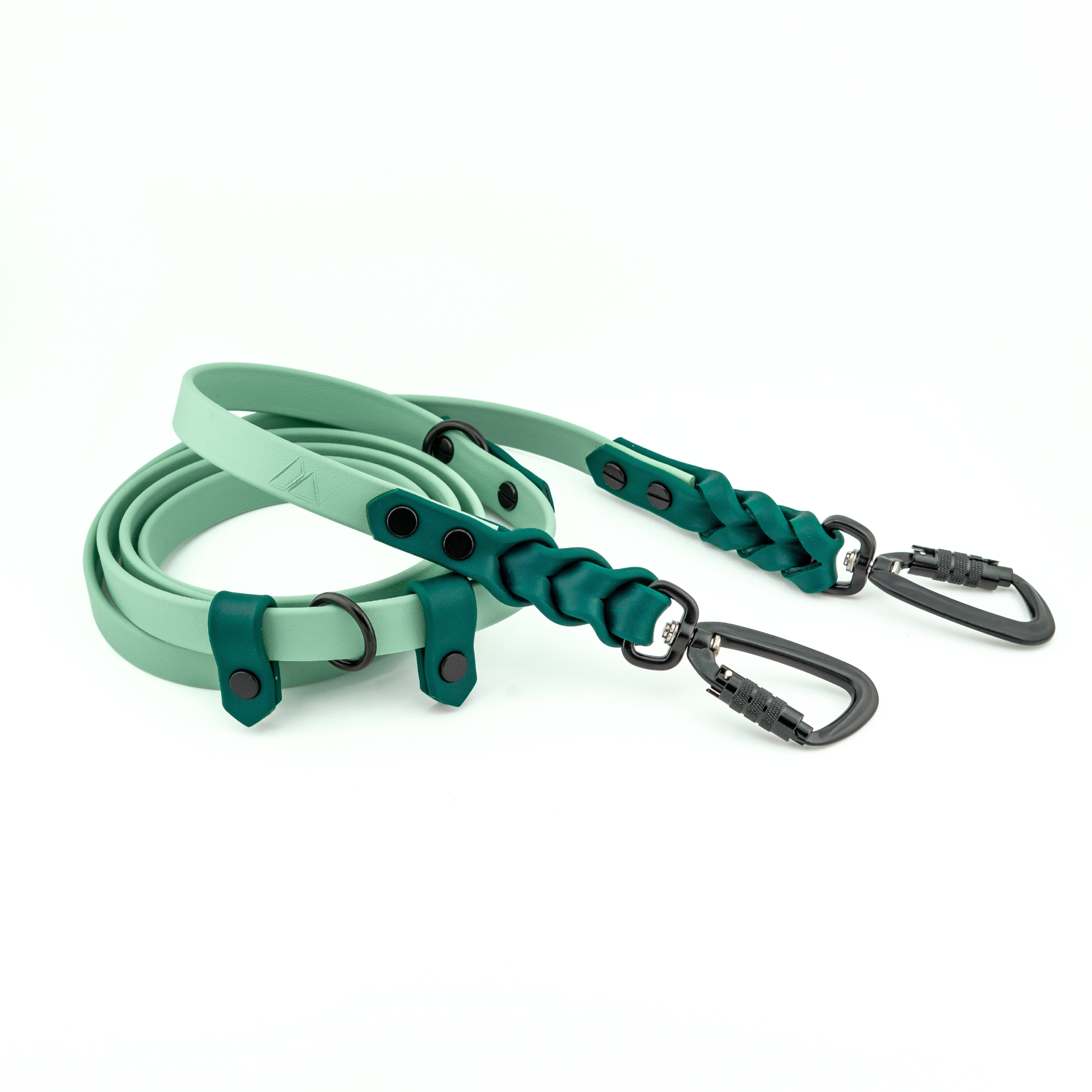
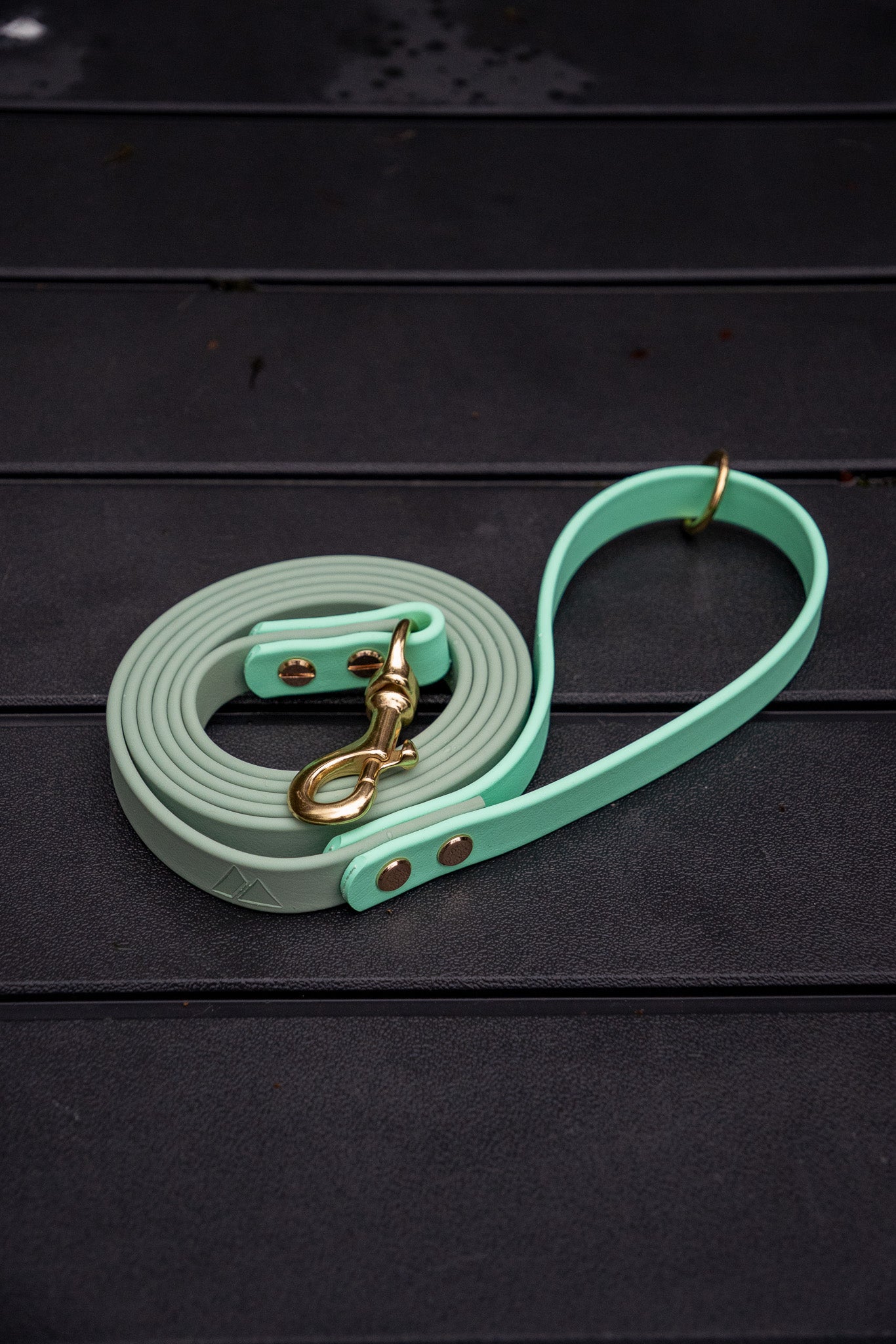
For nosework, consider the 10-foot version when it fits your training or competition rules. BioThane® rope keeps the profile streamlined and is practical when searches move between grass, pavement, damp exterior areas and training buildings.
The point is not to hold the leash tight. Learn to feed and gather line smoothly so your dog can investigate while you stay out of the way.
Explore the BioThane® Rope Leash
Bring rewards your dog actually wants in the environment where you are searching. Use pieces small enough to deliver repeatedly without turning the session into a meal.
Choose one that opens easily, stays put while you move, and can be cleaned. Fast access matters when you want to reinforce a clear alert without fumbling.
Keep your odor supplies, tins, swabs and handling tools organized and separate. Sport-specific storage and clean handling help reduce accidental scent contamination.
Bring water, a bowl, waste bags and whatever your dog needs to rest comfortably between searches. Nosework can be mentally demanding even when the dog is not running miles.

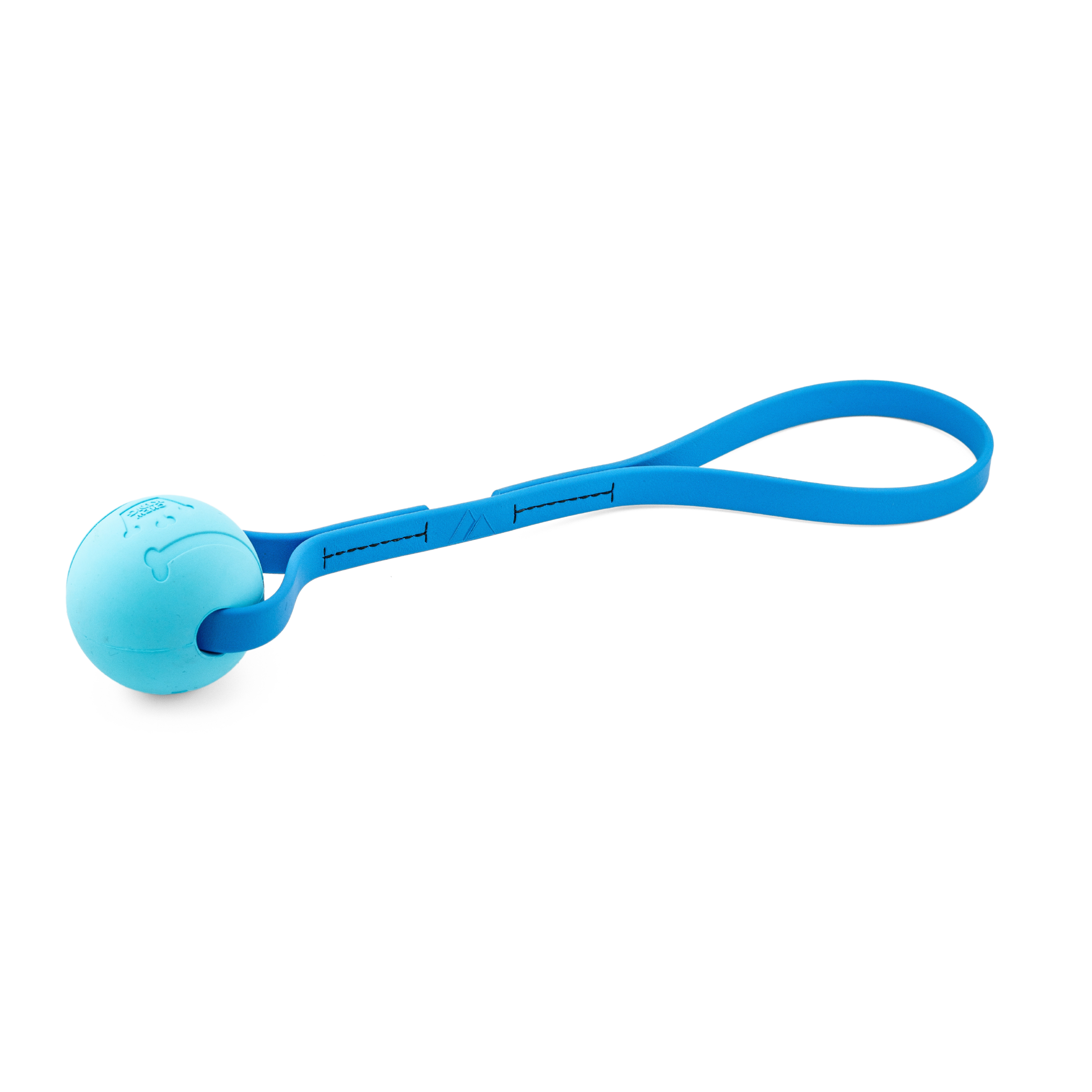
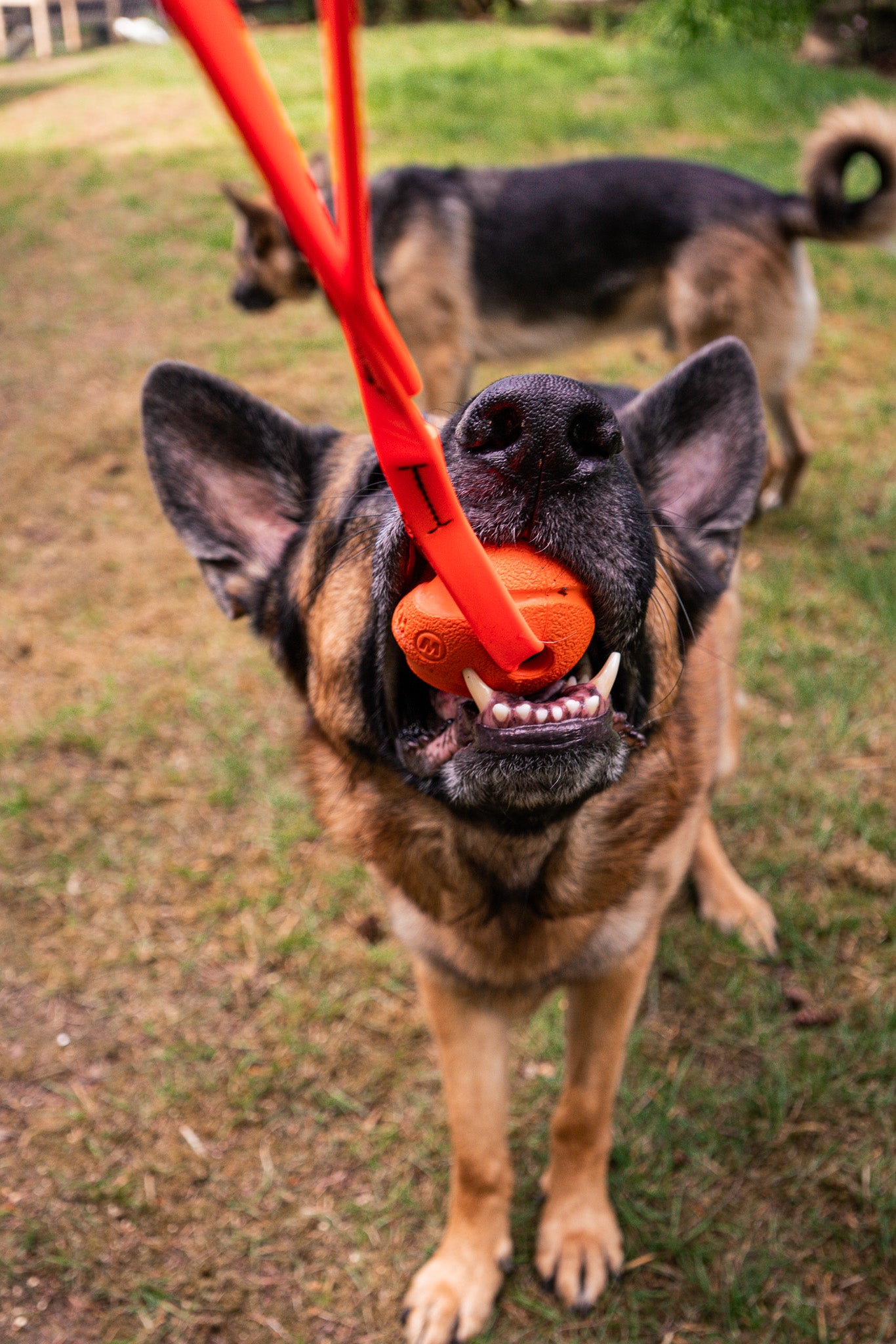
Food is not the only possible reward. If your dog values interactive play, the Element Sewn Tug can give you a clear, energetic reward after a search. It is designed for supervised training and play, not for unsupervised chewing.
Keep reward delivery thoughtful. In tight indoor search spaces, food may be easier and less disruptive; outside or after leaving the search area, a tug can be an excellent way to celebrate with a dog who loves the game.
See the Element Sewn TugThe Recon is Bolder K9’s lighter tactical collar option. For a dog who already works comfortably in a wider collar, it can be a practical everyday/training piece without moving to the heaviest build in the lineup.
A collar should not be chosen because “tactical” sounds sportier. Fit, comfort, the dog’s build, and the rules of the specific nosework venue matter more. Some teams search in a harness and use a collar for transitions; others have different routines.
Explore the Recon CollarHave the leash, rewards and search equipment organized before your dog comes out. Chaos at the start line makes it harder to observe the dog.
Manage the line without constantly steering. Your job is to keep the search safe and readable, not to point out where you think odor might be.
Watch for the trained change of behavior that tells you the dog has located source. Strong handling comes from practice, not from specialized hardware.
Deliver the dog’s chosen reward, leave the search area as required, and give the dog a real break before the next repetition.
Often, yes. A 10-foot leash gives many dogs useful working room while remaining manageable for the handler. Current AKC beginner guidance specifically recommends a 10-foot leash as a practical scent-work size, but always follow the rules for the sport and venue you are entering.
Either may be appropriate depending on the dog, training system and event rules. Many handlers use a dedicated setup that helps the dog recognize when it is time to search. Fit and comfort matter more than simply choosing the most substantial piece of equipment.
Use a reward your dog values highly, that is easy to deliver quickly, and that agrees with your dog. Small, soft pieces are often convenient because you can reward repeatedly without spending a long time chewing.
If you are training for an organized scent sport, use the odors and handling supplies required by that sport. Dedicated containers, swabs and handling tools can help you keep training organized and reduce accidental contamination.
Yes, if play is reinforcing for your dog and the training environment allows it. Keep tugging supervised, and choose where you deliver the toy so the reward does not interfere with another team or the search area.