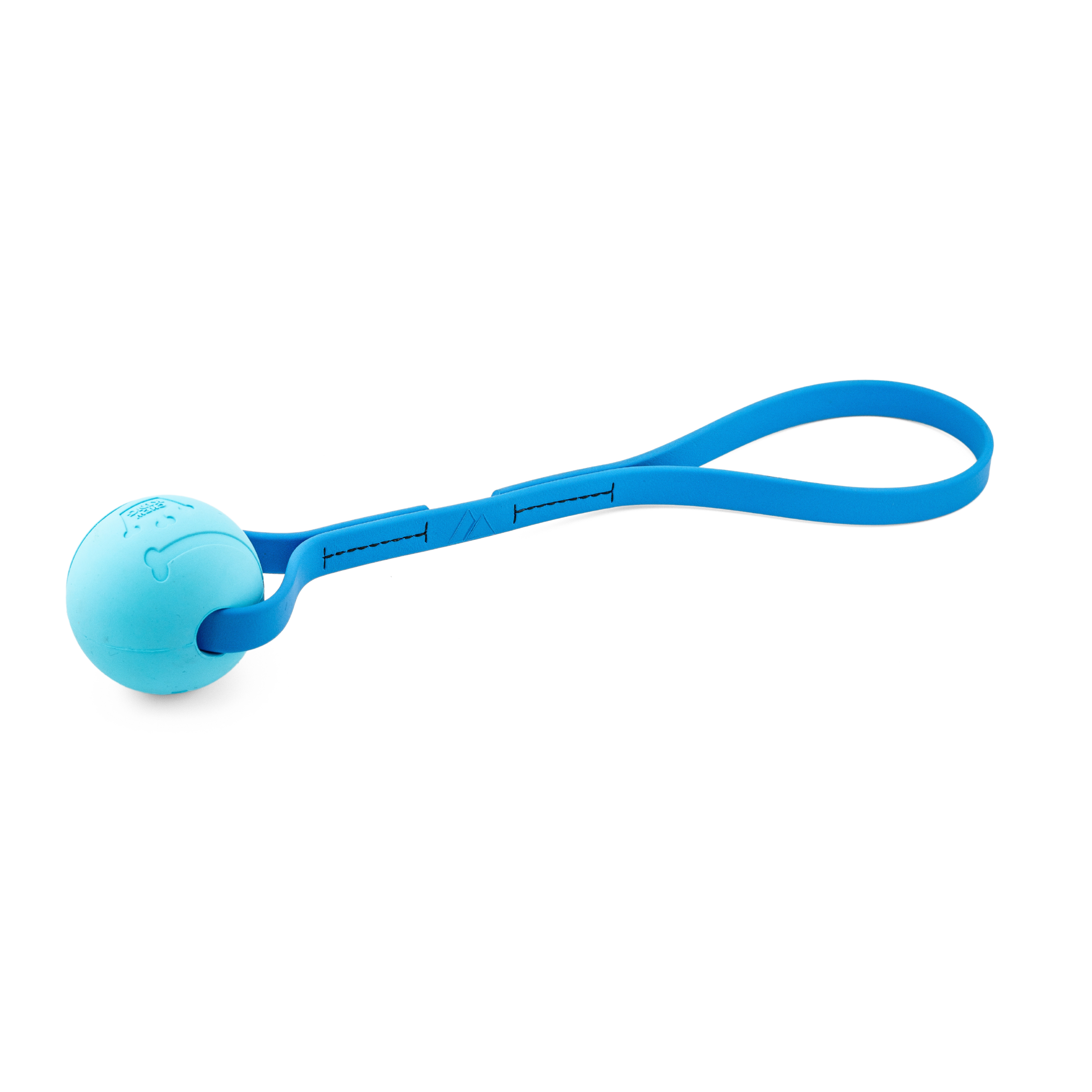
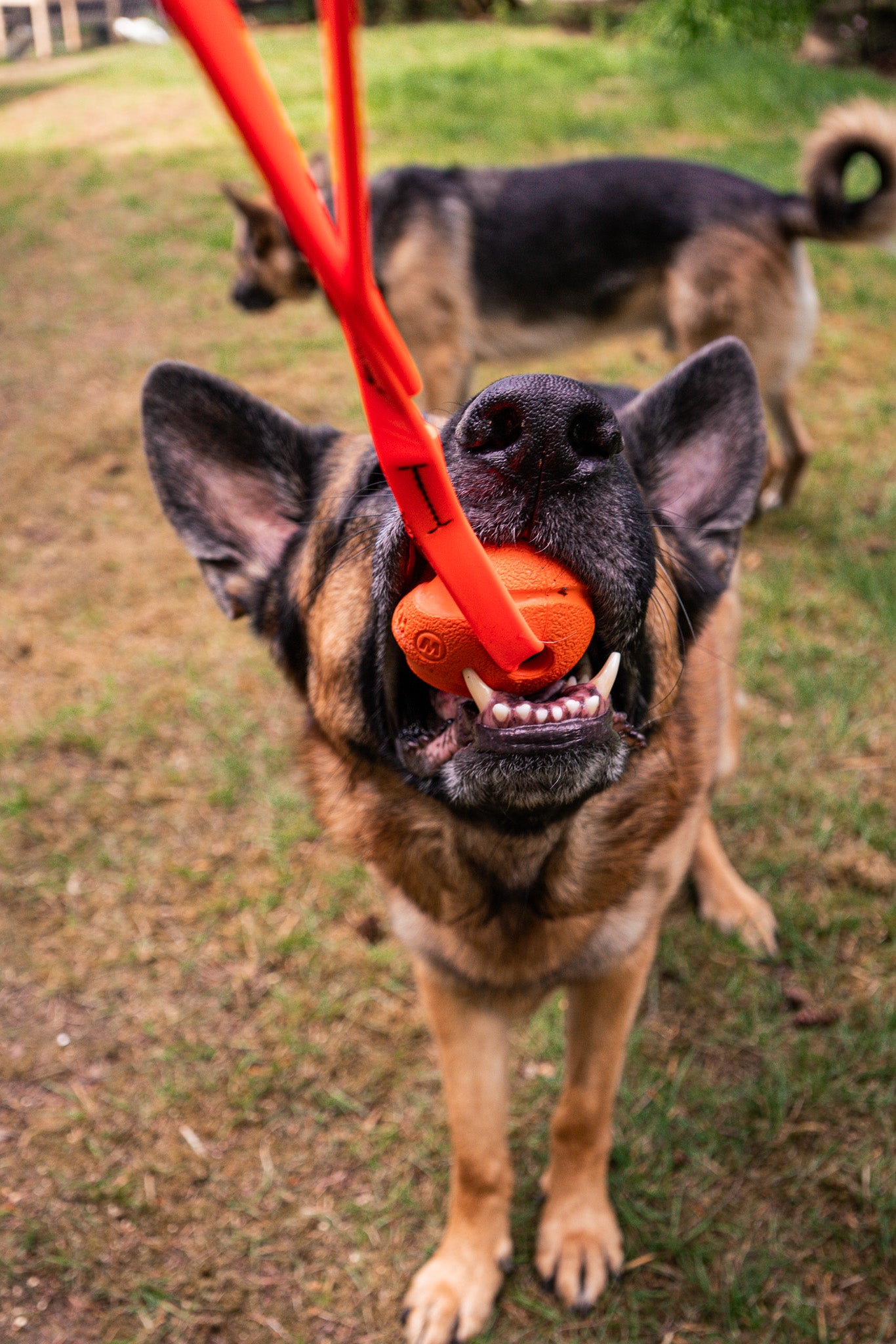
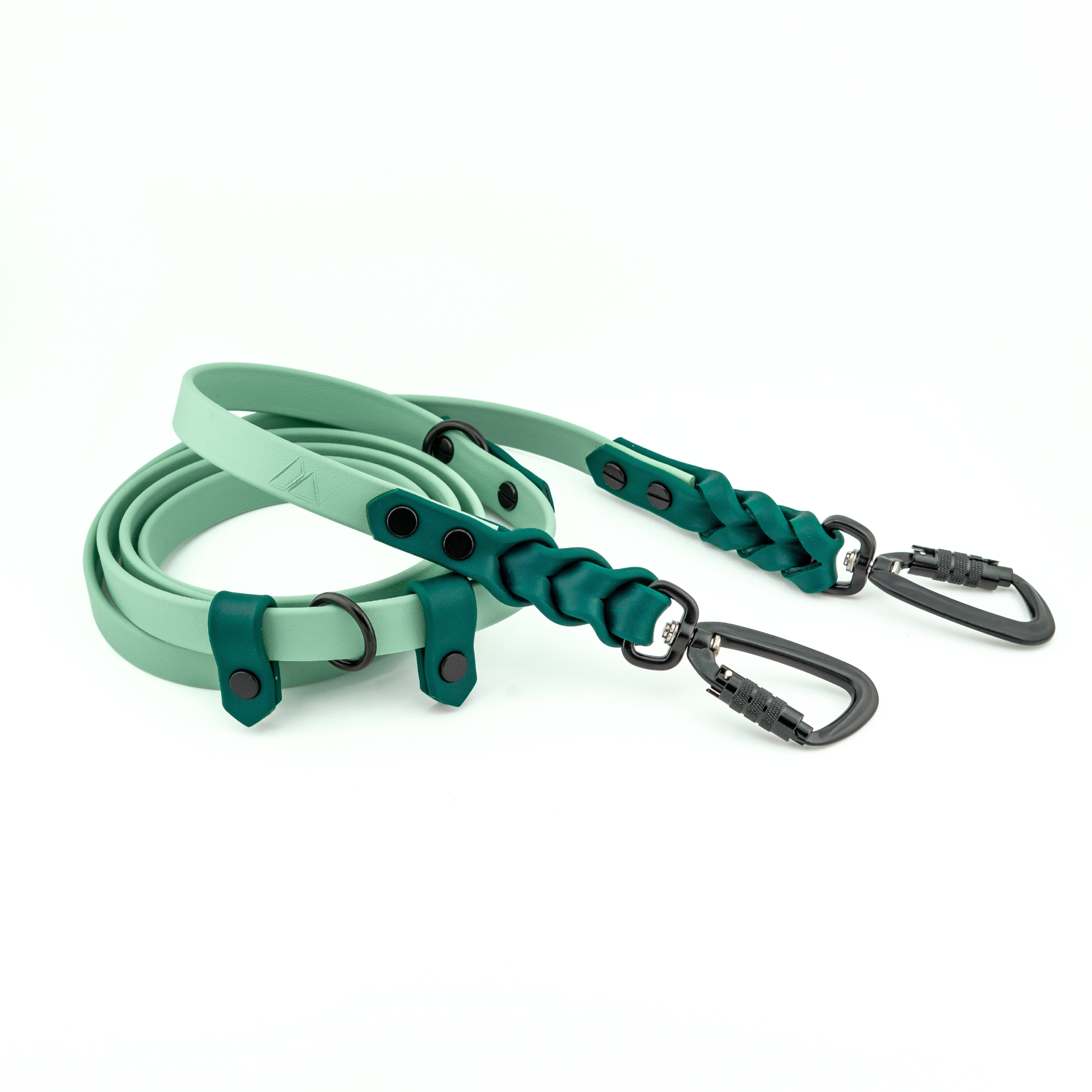
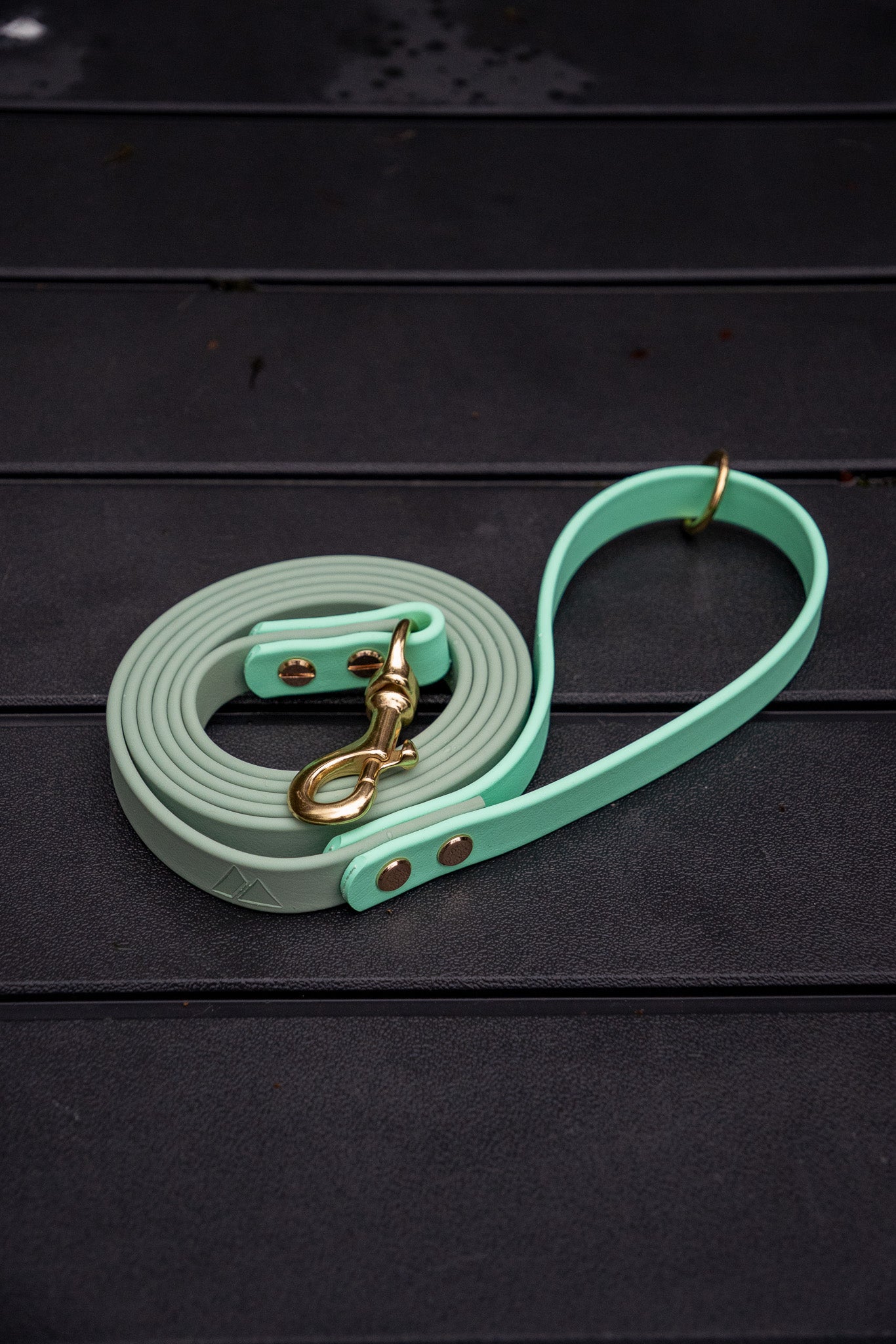
Standard BioThane Leash
Best for everyday obedience, loose leash walking, vet visits, public manners, and daily structure. A dependable go-to for most dogs.
Shop standard leashes →Dog Training Gear Guide
The best leash for dog training depends on the job: a standard leash for everyday obedience, a long line for recall and distance work, and a hands-free leash for structured movement. Bolder K9 builds rugged BioThane leashes designed for real training, real weather, and real dogs.

For most dogs, the best training leash is a durable 5 to 6 foot leash that gives clear communication without extra slack. For recall, distance work, and decompression walks, a long line is the better tool. For hiking, reward-based training, and active handlers, a hands-free leash can make training smoother while keeping your dog connected.
A 5 to 6 foot leash is the most practical choice for everyday obedience, loose leash walking, and public manners because it gives your dog room to move without losing control.
Use a long line when practicing recall, decompression walks, distance stays, and field work. It gives freedom while keeping a safe physical connection.
Hands-free leashes can be excellent for structured walks, reward delivery, hiking, and active handlers who want a secure setup while keeping both hands available.

A good training leash should be strong, easy to clean, comfortable to handle, and dependable in wet or dirty environments. BioThane is a practical choice because it performs well in daily walks, obedience work, field training, and outdoor use without soaking up water or odor.
BioThane is waterproof, easy to wipe clean, strong, and low-maintenance. For dogs that train in rain, mud, grass, parking lots, trails, or busy public spaces, that matters.
Look for dependable clips, clean stitching, reinforced connection points, and hardware that matches the dog’s size, strength, and training environment.
Match the leash to the type of training you do most. Most handlers benefit from having one everyday leash and one longer option for recall, trails, or distance work.
Best for everyday obedience, loose leash walking, vet visits, public manners, and daily structure. A dependable go-to for most dogs.
Shop standard leashes →
Best for structured walks, hiking, reward delivery, multitasking, and handlers who want a secure leash setup with both hands available.
Shop hands-free leashes →
Best for recall training, controlled freedom, distance work, decompression walks, and building reliability before off-leash freedom.
Shop long lines →A training leash should make communication clearer, not more complicated. Choose the simplest leash that supports the work you are doing.
Before buying a dog training leash, think through the job, the environment, and the dog on the other end of the leash.
For obedience and manners, choose a standard leash. For recall and distance, choose a long line. For movement-heavy training, consider hands-free.
Consider your dog’s size, strength, drive, handling needs, and how much leash pressure they create during training.
Prioritize cleanable material, strong hardware, reinforced connection points, and a build quality that can handle real-world use.
Clear answers to common questions about choosing a leash for dog training.
A 5 to 6 foot leash is best for most everyday dog training because it provides control, clarity, and enough room for natural movement without excessive slack.
Yes. A long line is one of the best tools for recall training, distance work, decompression walks, and giving your dog freedom while maintaining a safe connection.
Hands-free leashes can be very useful for structured walks, hiking, reward-based training, and active handlers. They are best for dogs with some leash skills or handlers working toward better structure.
BioThane is a strong choice for dog training leashes because it is waterproof, easy to clean, durable, and practical for rain, mud, trails, parks, and daily training sessions.
Retractable leashes are usually not the best choice for training because they create inconsistent leash length and can make communication less clear. A standard leash or long line is usually a better training tool.