Everyday walking
Prioritize predictable handling, comfortable hardware, and a leash configuration you can use cleanly.

Bolder K9 / Breed Field Guide
A breed-specific guide to everyday handling, long-line exploration, collar fit, wet-weather gear, and training rewards for Siberian Huskies.
A practical Husky setup usually starts with dependable everyday handling, then adds gear based on the job. A standard or hands-free leash can cover daily movement, a long line can add controlled range, a properly fitted collar can handle everyday identification and attachment needs, a harness may make sense for hiking or body-based leash attachment, and a training toy can work as a reward when the individual dog actually values play.
Breed context
Siberian Huskies were developed as endurance sled dogs. That history matters because many modern Huskies still bring strong movement, stamina, curiosity, and independence into everyday life.
The gear decision is not simply “buy the strongest leash.” It is choosing the right connection point, range, handling style, and material for the activity you are actually doing.
Use-case matrix
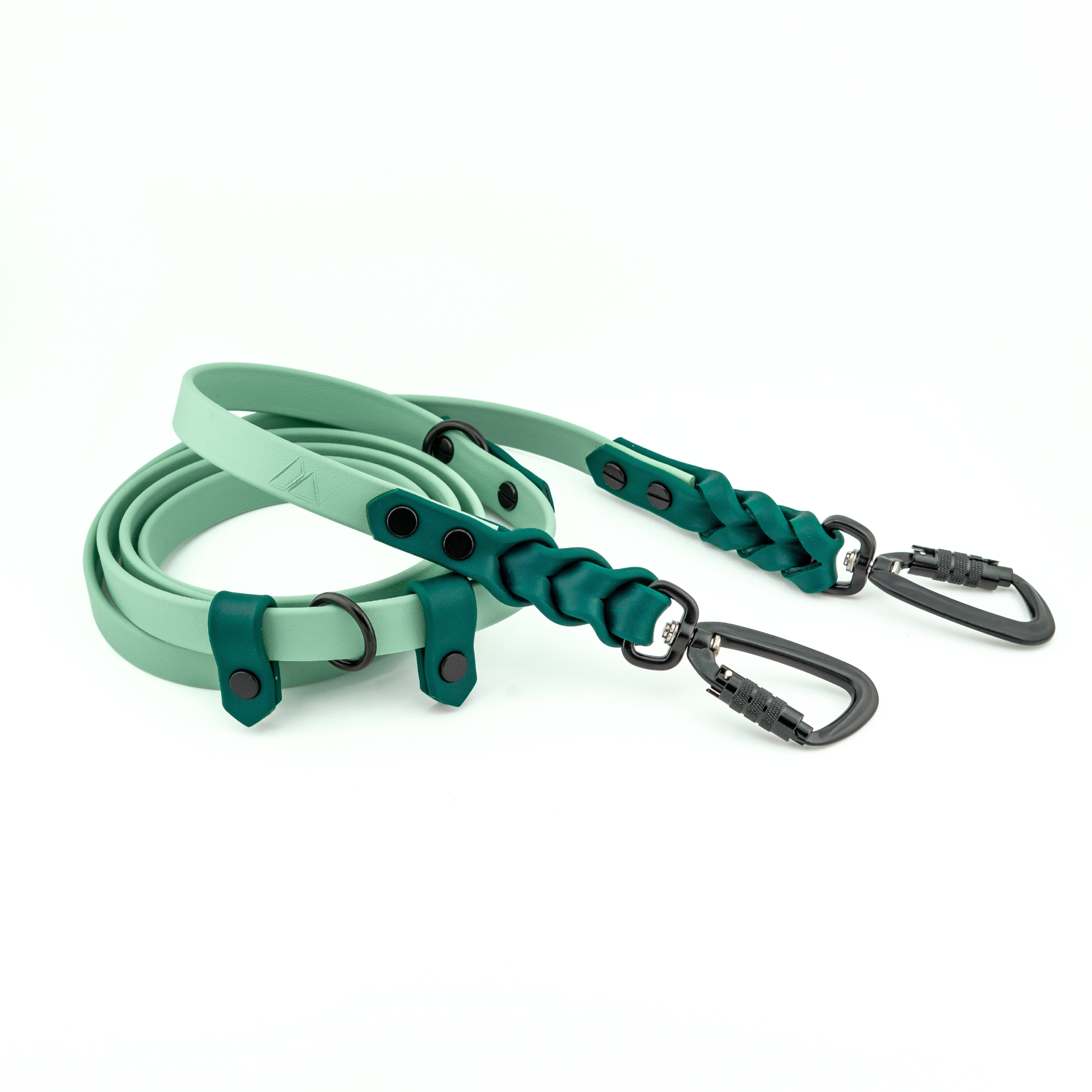
Prioritize predictable handling, comfortable hardware, and a leash configuration you can use cleanly.
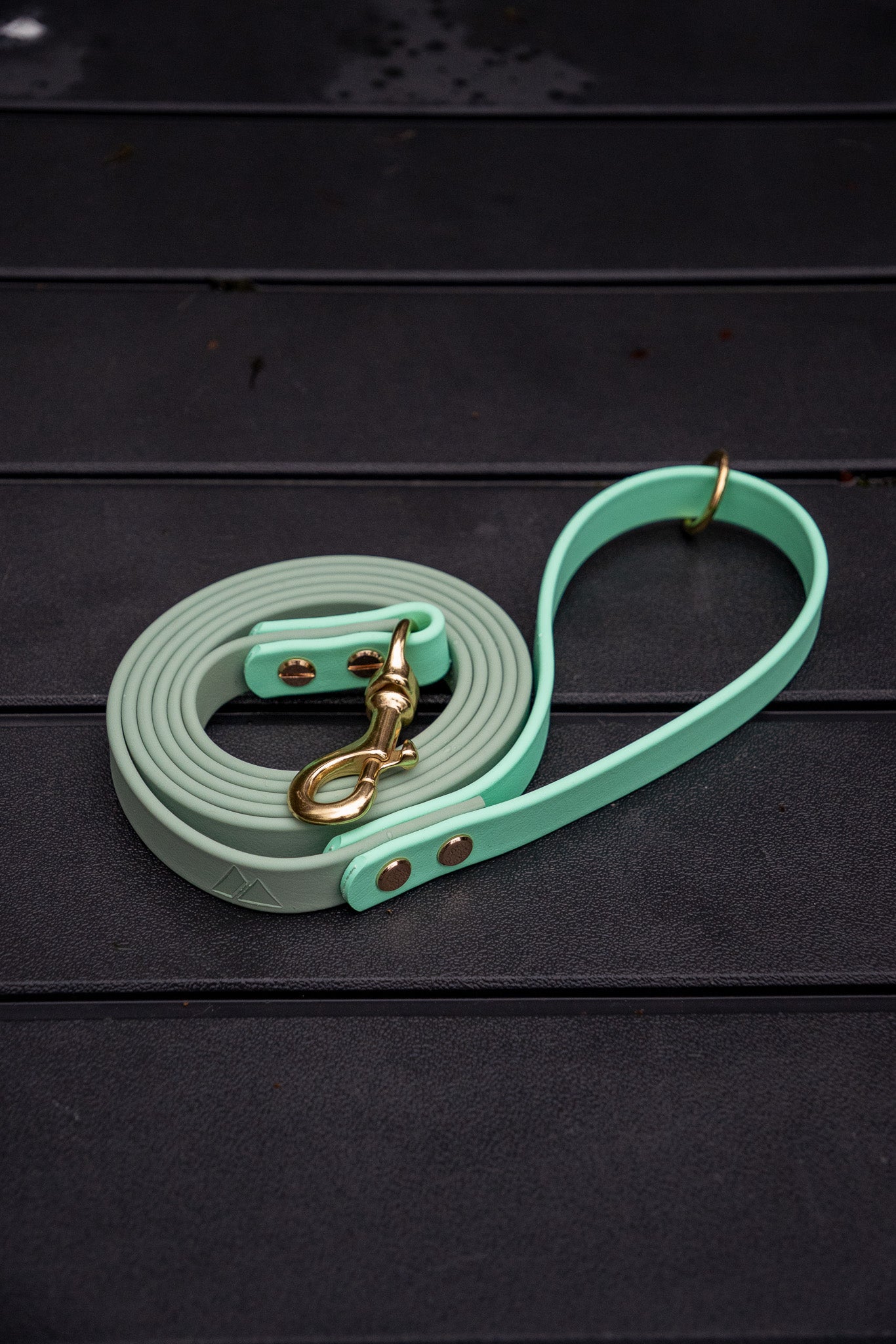
Use a long line when you want more room to move without treating the environment like an off-leash area.
A harness may be useful when you prefer body-based attachment or want a setup built around outdoor movement.
Use equipment specifically designed for the sport. Everyday walking harnesses and pulling harnesses are not interchangeable.
Everyday movement
A Husky’s sled-dog background does not mean every walk should become a pulling session. For ordinary walking, choose a leash that supports the handling plan. A hands-free style can be useful for active movement, while a standard leash may feel simpler in training-heavy or crowded environments.
Leash choice supports training; it does not replace it.
View leash WALK / TRAIN / MOVE
Controlled range
A long line can add room for sniffing, recall practice, and movement while preserving a physical connection to the handler. For a breed that often enjoys moving through space, that can be a useful middle ground between a standard leash and full off-leash freedom.
More line also means more line to manage. Choose a length you can handle confidently and stay aware of people, dogs, brush, trees, and other snag points.
 RANGE / RECALL / EXPLORE
Collar fit
A Husky’s double coat can make a collar look looser or tighter than it really is. Check the fit at the neck, not just through the fur, and recheck puppies often as they grow.
Measure the dog rather than choosing from breed size alone.
Check hardware and adjustment points as part of normal maintenance.
Reassess after growth, weight change, or major seasonal coat changes.

 HIKE / WALK / ADVENTURE
Harness recommendation
A properly fitted everyday harness can be useful for hiking, active outings, or handlers who prefer a body-based attachment point. Look for comfortable shoulder clearance, stable adjustment, and a fit that stays consistent through movement.
An everyday harness is not automatically a pulling-sport harness. Canicross, bikejoring, skijoring, sled work, and other purposeful pulling activities call for equipment designed for that job.
Check chest, shoulder clearance, and adjustment—not just breed size.
Match the harness to walking, hiking, or sport rather than expecting one design to do everything.
Reassess as puppies grow and as coat or body condition changes.
Why BioThane®
Genuine BioThane® is useful for active Husky households because the coated webbing does not absorb water like conventional woven webbing and is easy to wipe or rinse clean.
Useful around rain, snow, wet grass, and puddles.
Easy cleanup after muddy walks, hikes, or training sessions.
Fast cleanup matters when the same gear gets used repeatedly.
Training reward
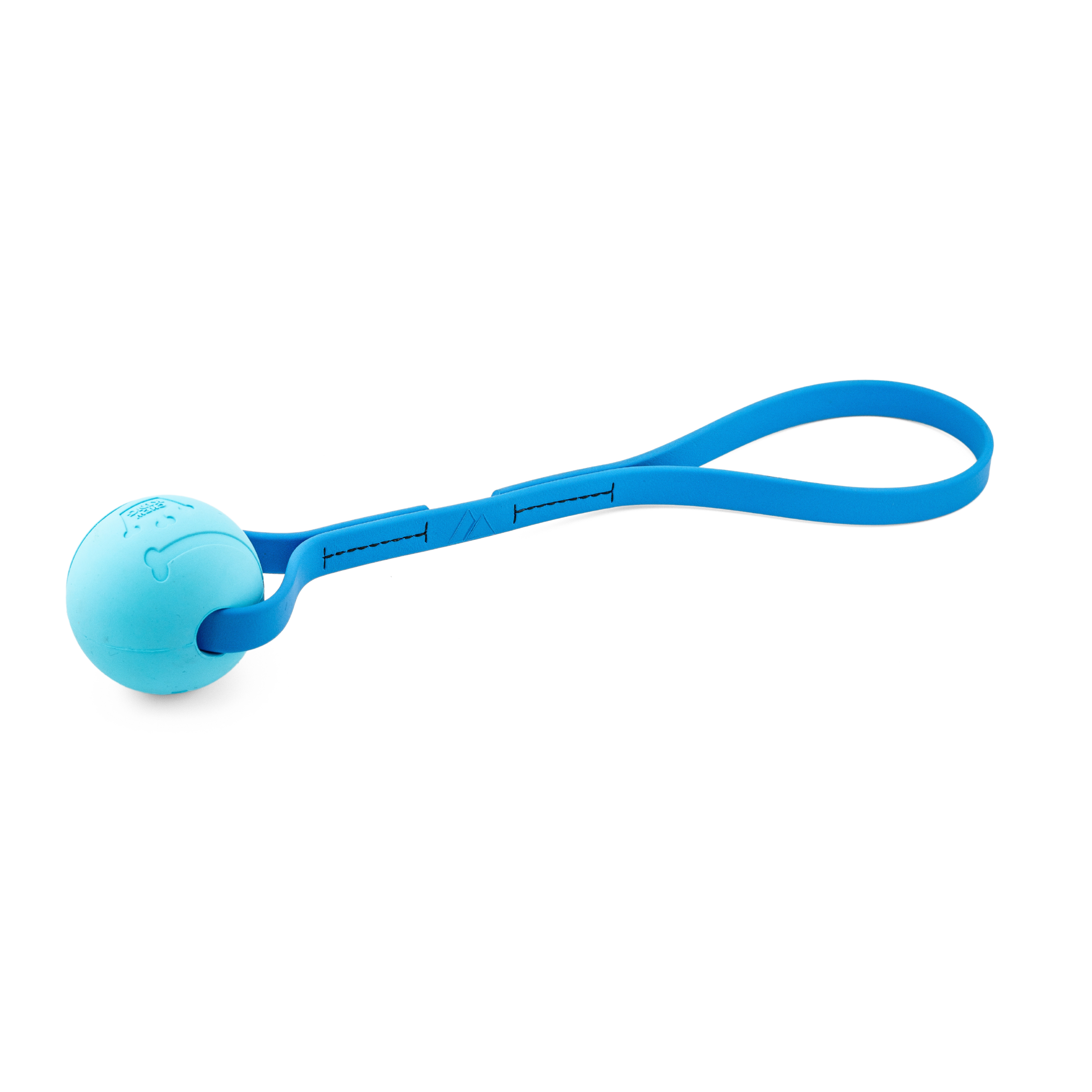
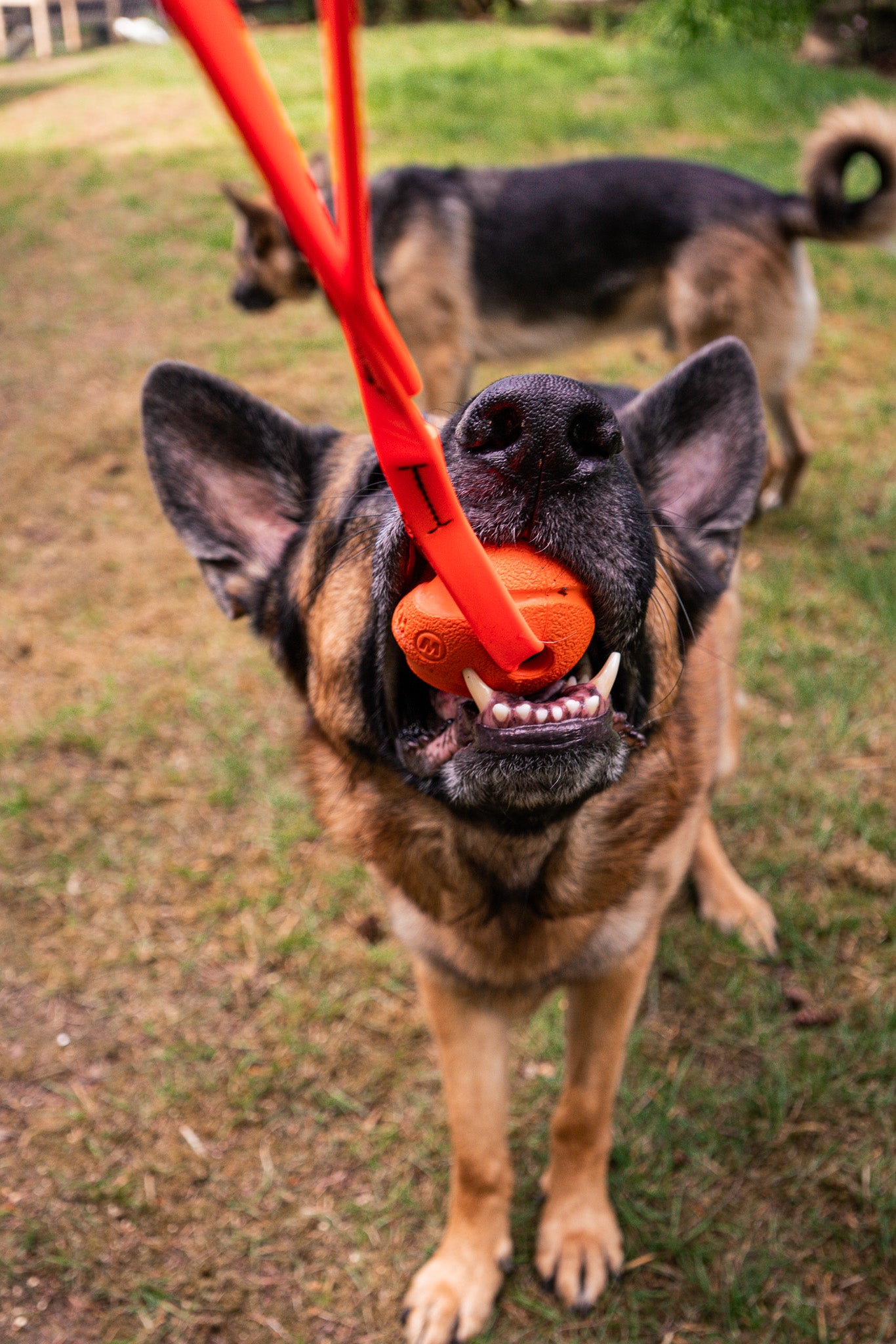
Some Huskies enjoy tug, chase, or interactive toy play; others may value food or movement more. If your dog likes tugging, a handled reward toy can make play easier to deliver during a training session.
Training tugs are interactive tools, not unsupervised chew toys.
 PLAY / TRAIN / REWARD
Husky puppies
Use gear the puppy and handler can comfortably work with.
Growing puppies can outgrow collar and harness settings quickly.
Leash handling, engagement, recall foundations, and settling come before bigger adventures.
Age-appropriate activity is different from sustained endurance work.
Husky gear FAQ
The best leash depends on the activity and handler. A standard leash is straightforward for daily walking and training, a hands-free leash may suit active movement, and a long line is useful when controlled range is the goal.
They can be. A long line can provide more room for exploration and recall practice while maintaining a physical connection to the handler.
A harness can be useful for hiking, active outings, or handlers who prefer a body-based attachment point. A walking harness is not automatically appropriate for pulling sports.
A properly fitted collar suited to the individual dog and activity is a practical everyday option. Dense coat makes hands-on fit checks especially important.
No. A leash is handling equipment, not a behavior fix. Pulling is addressed through training, management, appropriate activity, and equipment chosen for the job.
BioThane® coated webbing does not absorb water like conventional woven webbing and is easy to clean, making it practical for wet and messy conditions.
The short version
Start with dependable everyday handling. Add range when the environment allows it. Use a harness when the activity calls for body-based attachment, and keep pulling-sport equipment separate from ordinary walking gear. Choose weather-ready materials if snow, rain, mud, or trail days are part of normal life.