A practical three-piece setup
What gear do you actually need for agility?
You do not need to turn every training session into an equipment haul. Start with pieces that solve the boring but important parts of the day: getting your dog from one place to another, keeping everyday handling simple, and having a reward your dog genuinely values.
01
Reward tool
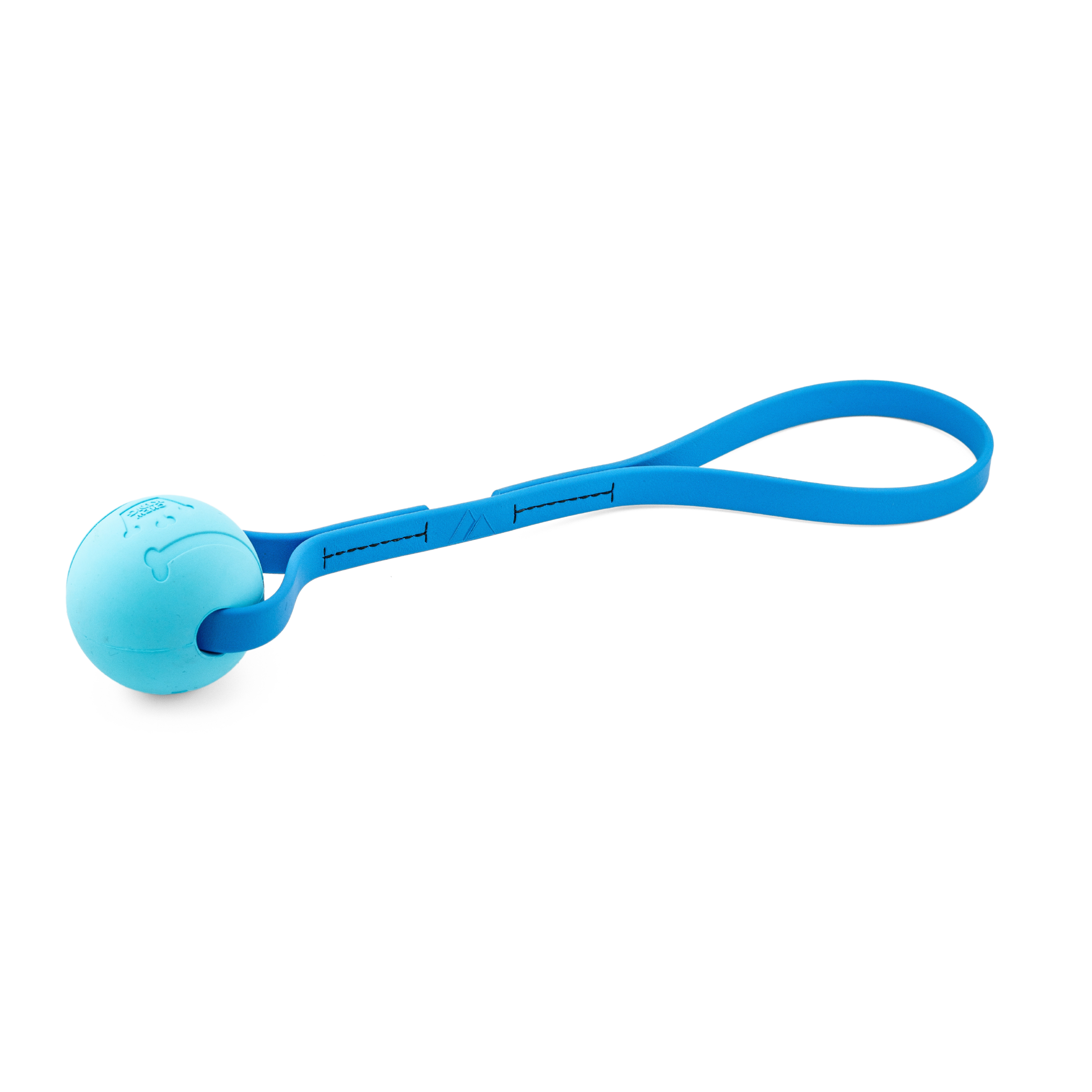
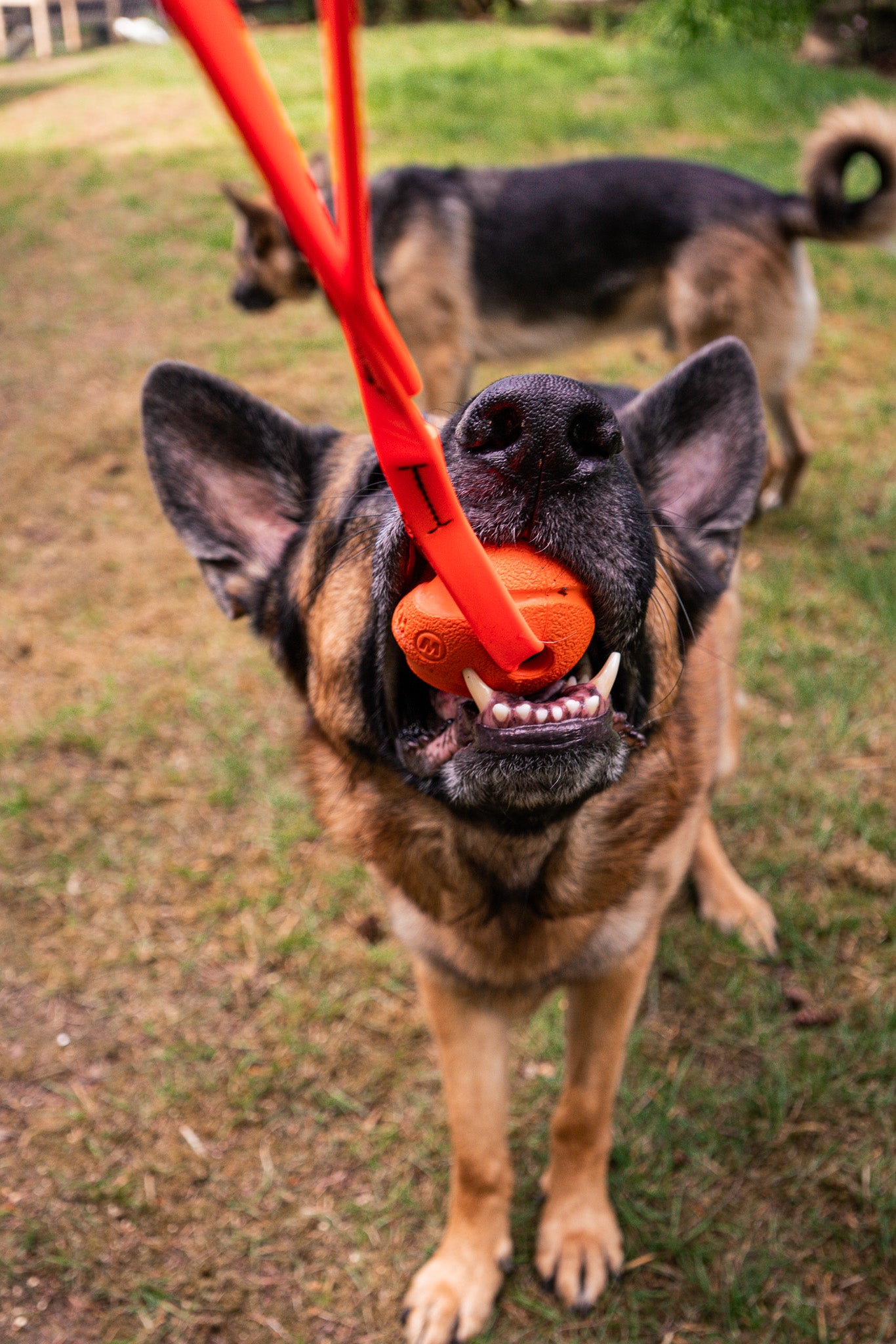
Voyager Sewn BioThane® Tug Toy
For dogs who work well for interactive play, a compact tug can make reinforcement quick and clear. The Voyager Sewn Tug uses 5/8-inch Beta BioThane® and has a compact profile that is easy to carry in a pocket, vest or training bag.
Use it for supervised reward play, not as an unattended chew toy. In agility, that distinction matters: the value is in the interaction with the handler, not in leaving the toy with the dog between sessions.
Explore the Voyager Sewn Tug →
02
Low-bulk leash
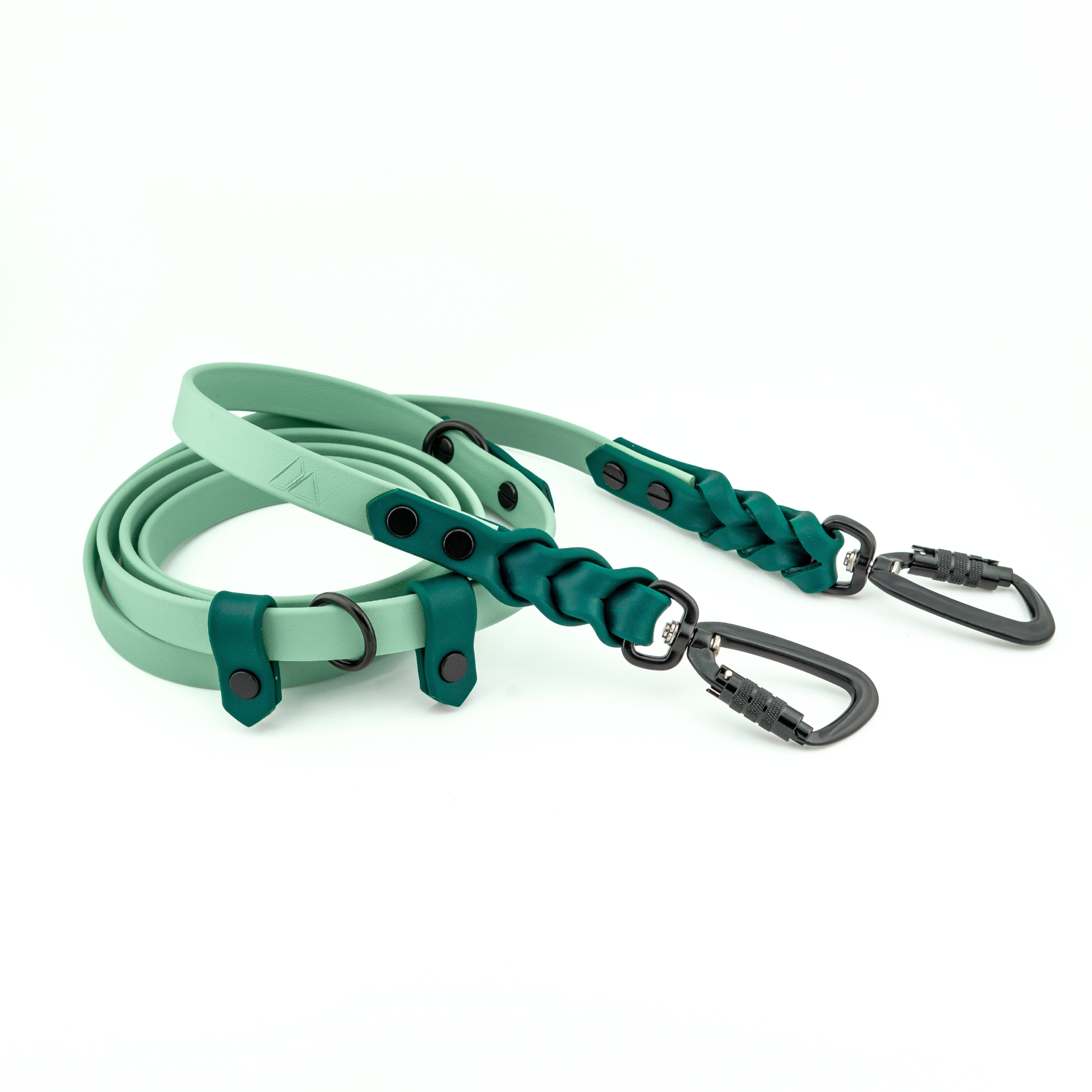
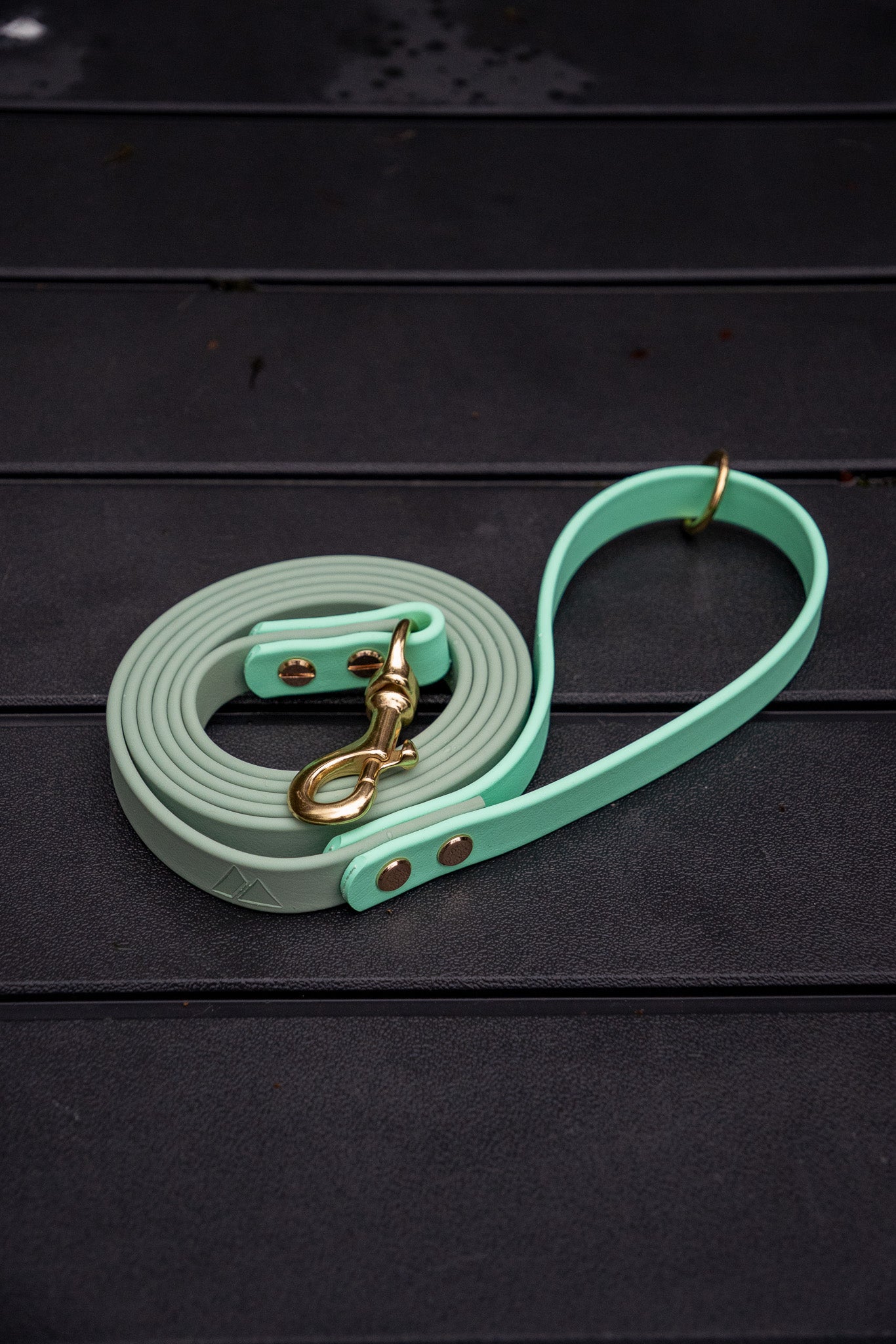
ECO BioThane® Leash
Agility dogs spend plenty of time on leash even though the sport itself is run off leash. A simple lead is useful for parking lots, warm-ups, potty walks and moving around busy trial grounds.
Choose the lightest appropriate ECO configuration for your dog and handling needs. If a 5/8-inch Beta build with lightweight clip hardware is available in the current options, that can be an especially clean setup for dogs where minimizing leash weight is the priority.
See the ECO leash options →
03
Everyday collar
ECO Adjustable BioThane® Collar
A sport collar does not need to be oversized to be useful. The ECO Adjustable Collar is built around adjustability and offers lighter buckle choices, including DuraPlastic, for handlers who want to keep the setup straightforward.
Fit matters more than the label. Measure your dog, check the collar regularly as coat and body condition change, and follow the rules of your training facility or trial organization before entering a course.
Explore the ECO Adjustable Collar →
Before the first obstacle
Think about the minutes around the run
Agility equipment advice often focuses on jumps, tunnels and weave poles. Your personal gear has a different job. It should make the transition into and out of work feel uncomplicated.
- Warm-up: use a manageable leash and enough space to move without creating unnecessary tangles.
- Reward: keep food or a toy accessible so reinforcement can happen when it matters.
- Reset: give the dog a clear way to come down from the run rather than staying switched on indefinitely.
- Cleanup: sport fields get wet, dusty and muddy. Easy-clean gear earns its keep quickly.
Decision rule
Lightweight does not mean underbuilt
The goal is not to buy the thinnest possible equipment. It is to choose enough material and hardware for your individual dog without adding weight and complexity that do not serve a purpose. A young, smaller agility prospect may benefit from a lighter configuration than a larger adult dog with a very different handling style.
FIELD NOTE
Reward toys are training tools, not chew toys.
Interactive tug play can be useful because the handler controls when the game starts and stops. Put the toy away after the session so it stays a training reward and so your dog is not left to chew on equipment that was not designed for unsupervised chewing.
Agility gear FAQ
Common questions
What leash length is best for agility training?
There is no single competition-day leash length that fits every handler. For moving around a facility, choose a length you can manage cleanly without excess line dragging or wrapping around your dog. Always check the specific rules for your venue or organization.
Should my dog wear a collar while running an agility course?
Rules vary by organization, class and event. Some settings require dogs to enter and exit on leash and may restrict what can be worn during a run. Use your organization’s current rulebook rather than assuming everyday training gear is allowed on course.
Is BioThane® useful for outdoor agility training?
It can be practical for handlers who train in wet or muddy conditions because it does not absorb water like many fabric webbing materials and is easy to wipe or rinse clean. Hardware still deserves normal inspection and care.
Is a tug toy a good agility reward?
For a dog who enjoys interactive tug, it can be an effective reward option. Other dogs prefer food, chase games or another reinforcer. The best reward is the one your dog values and that you can use safely and appropriately in the training environment.
What should a beginner buy first?
Start with a well-fitted everyday collar, an easy-to-handle leash and the reward your dog works best for. Specialized sport equipment can come later as your training needs become clearer.