What You Actually Need (and What You Don't)
Living with a reactive dog changes the way you approach every walk. Instead of simply grabbing a leash and heading out the door, you're constantly scanning your surroundings, watching for approaching dogs, creating distance from triggers, and trying to set your dog up for success before a reaction happens.
The right reactive dog gear doesn't eliminate barking, lunging, or frustration. Those behaviors are addressed through consistent training and behavior modification.
What quality gear does provide is confidence. Reliable equipment helps you safely manage difficult situations, reduces the chance of equipment failure, and allows you to focus on your dog's behavior instead of worrying whether your leash or collar will hold.
Whether your dog reacts to other dogs, people, bicycles, wildlife, or unfamiliar environments, having a dependable gear system makes every training session more productive.
Our team at Bolder K9 is going to break it down.
What Is Reactive Dog Gear?
Reactive dog gear refers to equipment that isn't just for looks, but is instead specifically selected to safely manage dogs that become over-aroused or over-responsive to certain triggers.
Unlike everyday walking gear, reactive dog equipment prioritizes:
- Security during sudden lunges
- Reliable control without unnecessary force
- Comfort for extended walks
- Clear communication between handler and dog
- Durability under repeated stress
The goal isn't to overpower your dog.
It's to create a safe, predictable system that allows you to train with confidence.
What Causes Dog Reactivity?
Before discussing equipment, it's important to understand what reactivity actually is. Dog reactivity is a behavioral response—not a personality trait.
Reactive dogs may bark, lunge, pull, growl, freeze, or become hyper-focused when confronted with specific triggers.
Common triggers include:
- Other dogs
- Strangers
- Children
- Cyclists
- Running animals
- Loud vehicles
- Delivery workers
- New environments
Reactivity often develops from:
- Fear
- Frustration
- Lack of socialization
- Previous negative experiences
- Barrier frustration
- Genetics
- Over-arousal
No piece of equipment "fixes" these emotions.
Instead, the right gear gives you the ability to safely work through training while reducing risk.

What Gear Does a Reactive Dog Need?
The ideal setup depends on your dog's size, strength, training level, and environment, but most reactive dog owners benefit from four essential pieces of equipment.
1. A High-Quality Leash
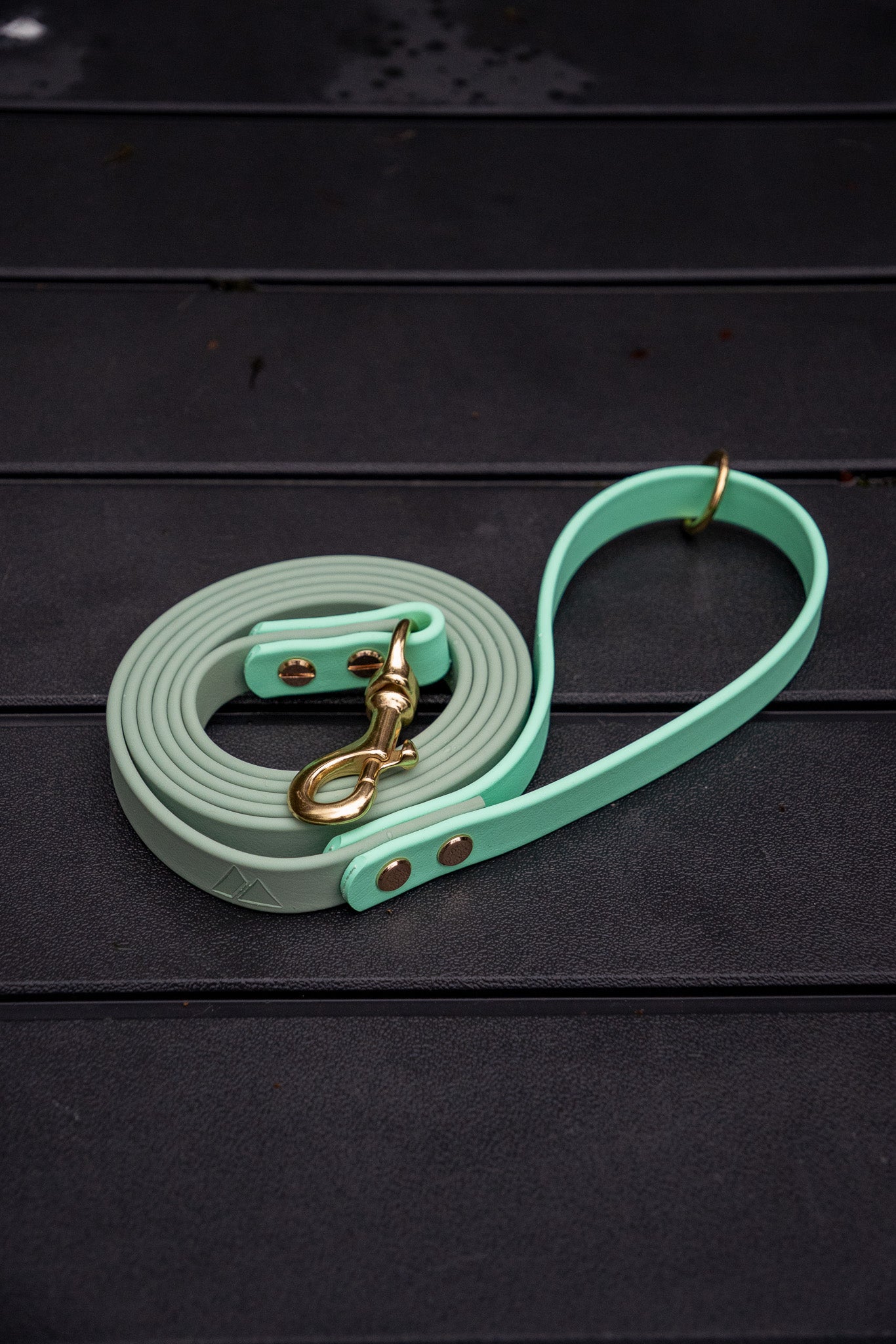
Your leash is the most important piece of equipment you'll own. During an unexpected reaction, it's the one item responsible for maintaining your connection to your dog.
Look for a leash that offers:
- Strong, dependable hardware
- Comfortable grip
- Minimal stretch
- Durable webbing or rope
- Appropriate length for everyday walks
A standard 6-foot leash is often the best choice because it provides enough freedom for movement while maintaining consistent control.
Many reactive dog owners avoid retractable leashes because they reduce communication, encourage pulling, and make it difficult to quickly shorten the distance between handler and dog.
> Shop Bolder K9 Leashes for Reactivity
2. A Properly Fitted Collar or Harness
Even the strongest leash is only as reliable as the equipment attached to it.
Collars and harnesses should fit securely without restricting movement or causing discomfort.
A well-fitted harness can provide additional security for dogs that are prone to backing out of collars, while many handlers prefer traditional collars for dogs with solid leash skills.
Regardless of which option you choose, proper fit is critical.
Loose equipment increases the risk of escape during a reaction.
3. Backup Safety Equipment
Reactive dogs can generate tremendous force during sudden lunges, especially a bigger dog.
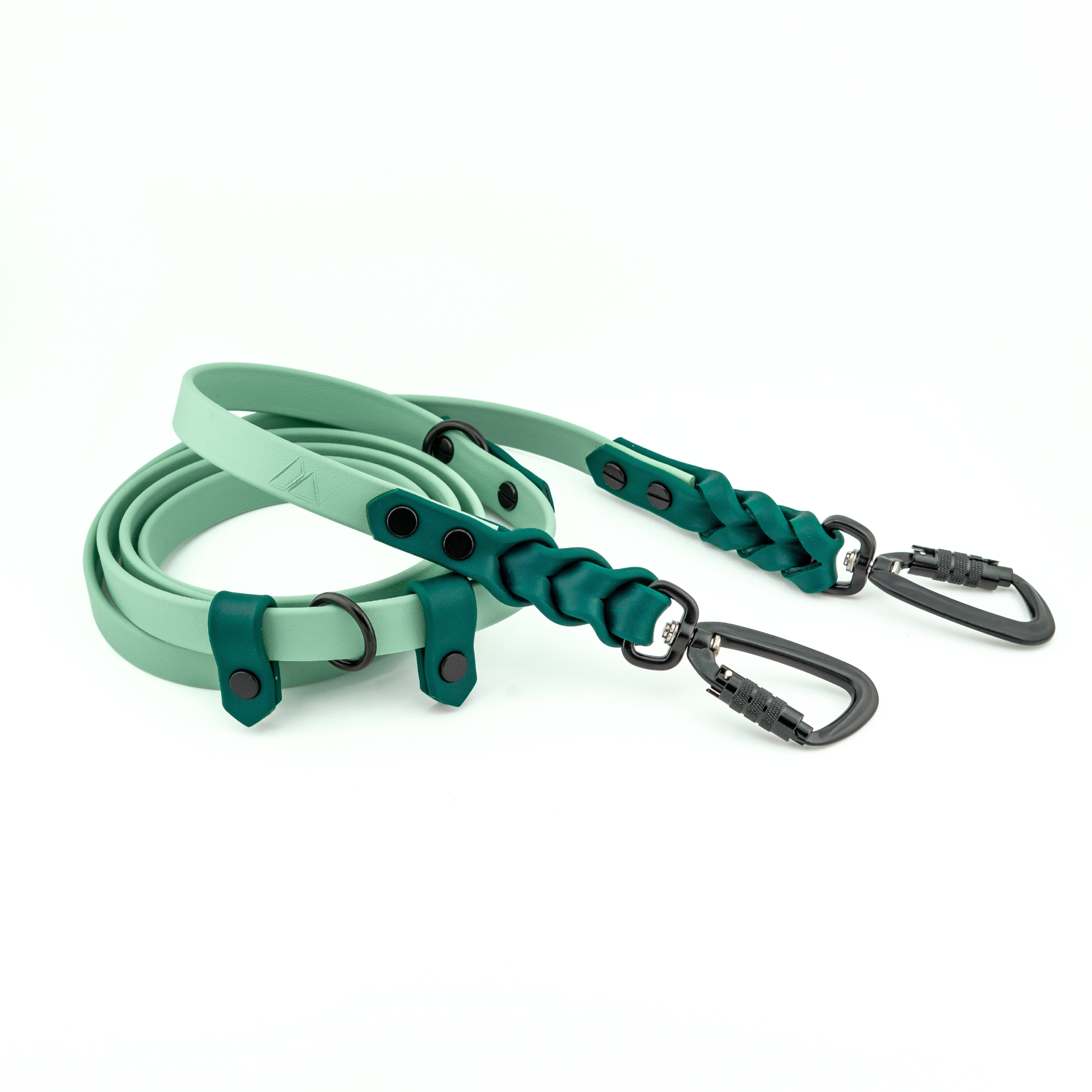
Adding a safety connector between a collar and harness creates redundancy if one piece of equipment fails.
Backup systems are particularly useful for:
- Newly adopted dogs
- Escape artists
- Powerful breeds
- Dogs still learning leash skills
While equipment failure is uncommon with quality products, having a secondary attachment provides additional peace of mind.
4. Long Lines for Training
Long lines are one of the most valuable training tools for reactive dogs.
Unlike everyday walking leashes, long lines allow controlled freedom in appropriate environments.
They can help with:
- Recall training
- Decompression walks
- Confidence building
- Sniffing opportunities
- Engagement exercises
- Distance-based behavior modification
Long lines should only be used in open areas where additional distance can be managed safely.

What Gear Should You Avoid?
Not every product marketed for reactive dogs actually improves handling. Some equipment creates unnecessary complexity or reduces communication between you and your dog.
Common examples include:
Retractable Leashes
They create inconsistent leash pressure, reduce control, and make emergency handling more difficult.
Excessively Stretchy Bungee Leashes
Stretch absorbs feedback between handler and dog, making reactions harder to manage.
Poorly Fitted Harnesses
Loose harnesses increase the likelihood of escape during stressful situations.
Cheap Hardware
Weak clips, low-quality stitching, and inexpensive materials are more likely to fail under repeated stress.
When reliability matters, durability should always outweigh extra features.
Does Better Gear Stop Reactivity?
No. This is one of the biggest misconceptions among dog owners.
Reactive dog gear is a management tool—not a behavioral solution.
Successful behavior change comes from:
- Positive reinforcement
- Trigger management
- Counterconditioning
- Desensitization
- Consistent training
- Reading canine body language
The right equipment simply allows those training methods to happen more safely and consistently.
How to Build a Reactive Dog Walking System
Rather than thinking about individual products, think about building a complete system.
A typical setup may include:
- Daily walking leash
- Secure collar or harness
- Backup safety connector
- Long line for training sessions
- Treat pouch for reinforcement
- Waste bag holder
- High-value rewards
When every piece works together, your walks become more predictable and your handling becomes more consistent.
That consistency benefits both you and your dog.
Frequently Asked Questions About Reactive Dog Gear
What is the best leash for a reactive dog?
A strong, non-retractable leash around six feet long is the preferred choice for most reactive dogs. It provides reliable communication, predictable handling, and better control during unexpected situations.
Should reactive dogs wear a harness or collar?
Both can work well when properly fitted. The best choice depends on your dog's behavior, escape risk, and training goals. Some handlers also use both together with a safety connector for additional security.
Are retractable leashes good for reactive dogs?
Generally, no. Retractable leashes reduce control, create inconsistent leash pressure, and make it harder to safely manage sudden reactions.
Can gear fix dog reactivity?
No. Equipment supports training by improving safety and consistency, but lasting behavioral change comes from structured training and positive reinforcement.
What gear do I need for a reactive dog?
Most handlers benefit from:
- A durable everyday leash
- A properly fitted collar or harness
- A backup safety connector
- A long line for training
- A treat pouch for rewarding desired behavior
Final Thoughts
Living with a reactive dog isn't about finding a magic leash or a miracle harness.
It's about creating a reliable system that helps you stay calm, keeps your dog safe, and supports the training you're already putting in.
The best reactive dog gear disappears into the background. It works consistently, gives you confidence during difficult moments, and allows you to focus on what matters most—helping your dog make better choices over time.
If you're ready to build a dependable walking setup, explore our Reactive Dog Gear Guide, where we break down each piece of equipment, explain when it's most useful, and help you choose gear that supports real-world training instead of gimmicks.
Be sure to check out Bolder K9 on Instagram!