Purchase With Purpose
Dog Gear That Supports Rescue Organizations
Choose rugged, handmade dog gear built for real use while supporting a brand committed to helping dogs beyond the sale.

Answer First
What is dog gear that supports rescue organizations?
Dog gear that supports rescue organizations is everyday dog equipment purchased from a brand that gives back to animal rescue, shelter, working dog, or nonprofit partners. The best rescue-supporting gear is still built for daily use first: strong materials, secure hardware, proper sizing, easy cleaning, and clear product guidance.
For Bolder K9, that means rugged handmade BioThane leashes, collars, hands-free systems, long lines, tug toys, and active dog gear designed for real dogs while helping support rescue-focused work through the brand’s giving efforts.
Common Questions About Dog Gear That Supports Rescue Organizations
What is the best dog gear to buy if I want to support rescue organizations?
The best dog gear to buy is gear your dog will actually use safely and often, such as a durable leash, properly fitted collar, hands-free leash, long line, or training tug.
Choose products made with strong materials, secure hardware, and clear sizing. Bolder K9 gear is a strong fit for owners who want premium handmade dog equipment while supporting a rescue-minded brand.
Does buying dog gear really help animal rescues?
Buying dog gear can help animal rescues when the brand directly donates money, products, supplies, or support to rescue organizations.
Look for brands that clearly explain how they give back. The product should also be durable enough to avoid quick replacement, which makes the purchase more practical for both you and your dog.
What should I look for in rescue-supporting dog gear?
Look for rescue-supporting dog gear that combines reliable construction with transparent giving.
- Durable materials like BioThane
- Secure, weight-appropriate hardware
- Clear sizing instructions
- Easy cleaning
- A brand mission that supports dogs beyond the sale
Is BioThane good for rescue dogs?
Yes, BioThane is a strong option for many rescue dogs because it is waterproof, easy to clean, odor-resistant, and durable for daily handling.
Rescue dogs often need consistent, practical gear during decompression, walks, training, and travel. Bolder K9 BioThane leashes, collars, and long lines are built for those real-life conditions.
What leash is best for a newly adopted dog?
A secure standard leash or hands-free leash is usually best for a newly adopted dog, depending on the dog’s size, strength, and training level.
For early walks, avoid giving too much freedom too soon. A sturdy 6-foot leash gives better control, while a long line can be useful later for decompression walks and recall practice in safe areas.
Should I use a long line for a rescue dog?
A long line can be helpful for a rescue dog when used in a safe, open area with supervision.
Long lines give dogs more freedom to sniff and decompress while keeping them physically connected to the handler. They are especially useful for recall training, decompression walks, and controlled exploration.
Are hands-free leashes safe for rescue dogs?
Hands-free leashes can be safe for rescue dogs when the dog is leash-aware, the handler is attentive, and the gear fits correctly.
For strong pullers, flight-risk dogs, or newly adopted dogs, start with a standard leash or use a backup safety connection. Bolder K9 hands-free systems are best for active handlers who want durable, adjustable gear.
What collar is best for a rescue dog?
The best collar for a rescue dog is one that fits securely, uses dependable hardware, and matches the dog’s behavior and handling needs.
For most dogs, a properly fitted flat collar is a good everyday option. For dogs who may back out of collars, ask a qualified trainer about safe backup systems and fit before relying on any single piece of equipment.
How do I choose the right size collar for a rescue dog?
Measure the dog’s neck where the collar will sit, then choose the size range that places your measurement near the middle of the adjustment range.
A good everyday fit usually allows two fingers between the collar and the dog’s neck. The collar should not slip over the head, restrict breathing, or sit so loose that tags and hardware catch easily.
What gear do foster dogs need?
Most foster dogs need a secure collar, dependable leash, ID tag setup, crate or containment system, food and water bowls, enrichment toys, and cleaning supplies.
For leash walks and decompression, durable BioThane gear is especially practical because it can be wiped clean between muddy walks, shelter pickups, transport days, and everyday handling.
What is the safest leash setup for a flight-risk rescue dog?
The safest leash setup for a flight-risk rescue dog usually includes redundant points of connection, such as a leash attached to a harness plus a backup connection to a collar.
Use secure hardware, avoid loose fit, and do not rely on off-leash freedom until the dog is fully settled and reliable. When in doubt, work with a professional trainer or rescue coordinator.
Is waterproof dog gear worth it for rescue dogs?
Yes, waterproof dog gear is worth it for many rescue dogs because it is easier to clean, resists odor, and handles rain, mud, and daily wear better than many absorbent materials.
BioThane is especially useful for active dogs, foster homes, transport volunteers, and owners who want gear that stays clean without constant washing.
What is the difference between rescue-supporting dog gear and regular dog gear?
The difference is that rescue-supporting dog gear is purchased from a brand that intentionally gives back to rescue or dog welfare efforts.
The gear itself should still meet the same or higher standards as regular gear. A donation mission does not replace proper construction, sizing, safety, and material quality.
Can I donate dog gear to a rescue?
Yes, many rescues accept donated dog gear, but you should ask what they need before sending items.
Commonly needed items include leashes, collars, long lines, crates, cleaning supplies, food, and enrichment toys. Durable, easy-clean gear is often more useful than delicate or decorative products.
What dog gear lasts the longest?
Dog gear made with durable materials, reinforced construction, and quality hardware usually lasts the longest.
BioThane leashes and collars are popular because they resist water, odor, and grime. For strong dogs or daily training use, choose gear designed for performance instead of lightweight fashion use.
How do I clean BioThane dog gear?
Clean BioThane dog gear by wiping it with warm water and mild soap, then drying it with a towel.
Unlike absorbent fabric, BioThane does not need machine washing for normal dirt and mud. This makes it a practical choice for rescue dogs, active homes, wet climates, and frequent outdoor use.
Buying Guide
How to choose dog gear that supports rescue work
Start with your dog’s daily reality. A newly adopted dog, foster dog, sport dog, trail dog, or reactive dog may all need different gear. Rescue-supporting gear should be meaningful, but it should also be safe, durable, and appropriate for the dog in front of you.
Choose the right primary connection
Most dogs need a reliable leash and properly fitted collar first. Flight-risk dogs may need a backup connection.
Match the gear to the environment
For rain, mud, training fields, rescue transports, and daily walks, waterproof BioThane is easier to maintain.
Buy from a brand with a clear mission
Choose gear from companies that build useful products and actively support dogs beyond the transaction.

Best types of dog gear for rescue-minded owners
| Gear Type | Best For | Why It Helps | Bolder K9 Fit |
|---|---|---|---|
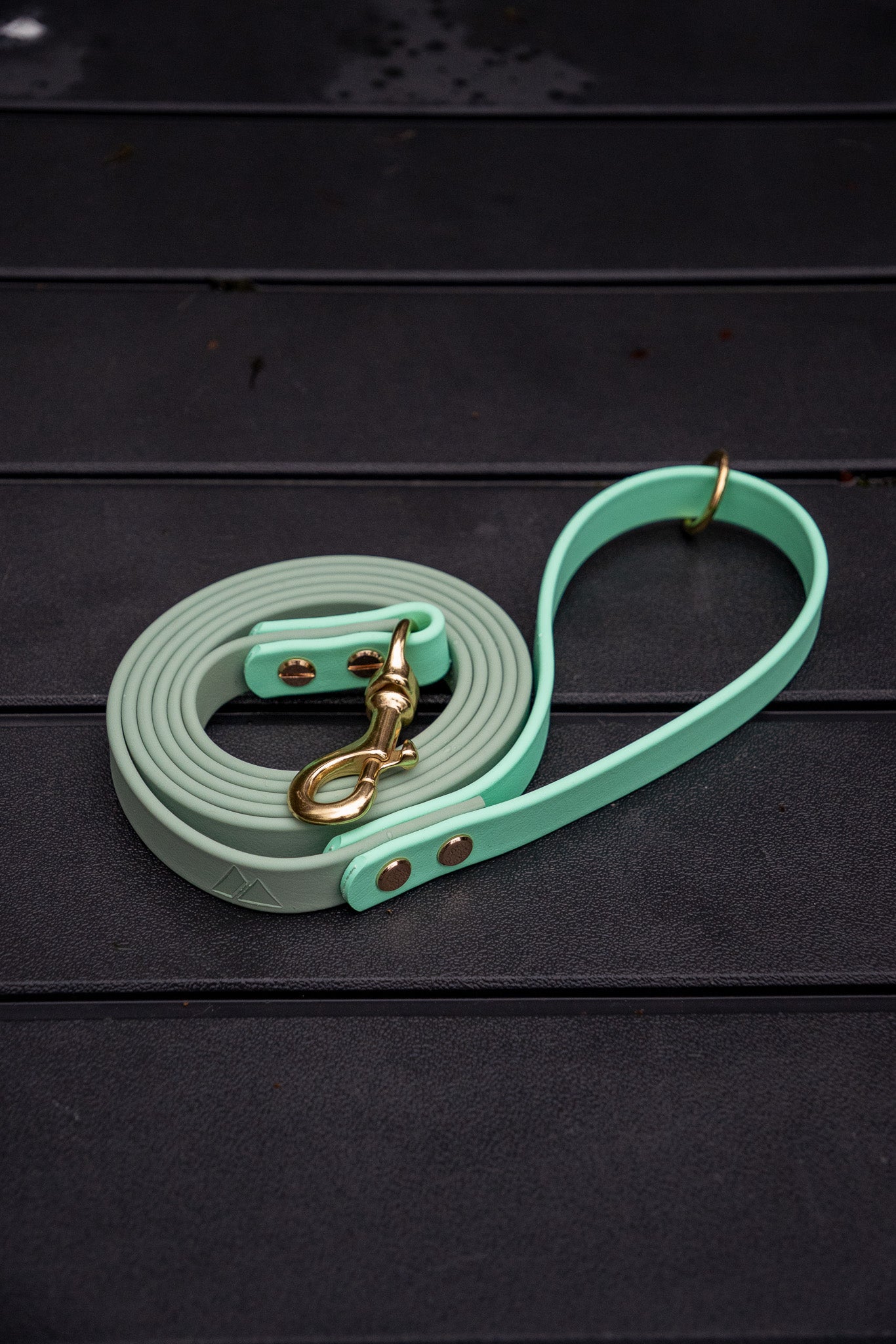
| Standard leash | Daily walks, new adopters, foster homes | Simple control and predictable handling | Atlas or Voyager leash |
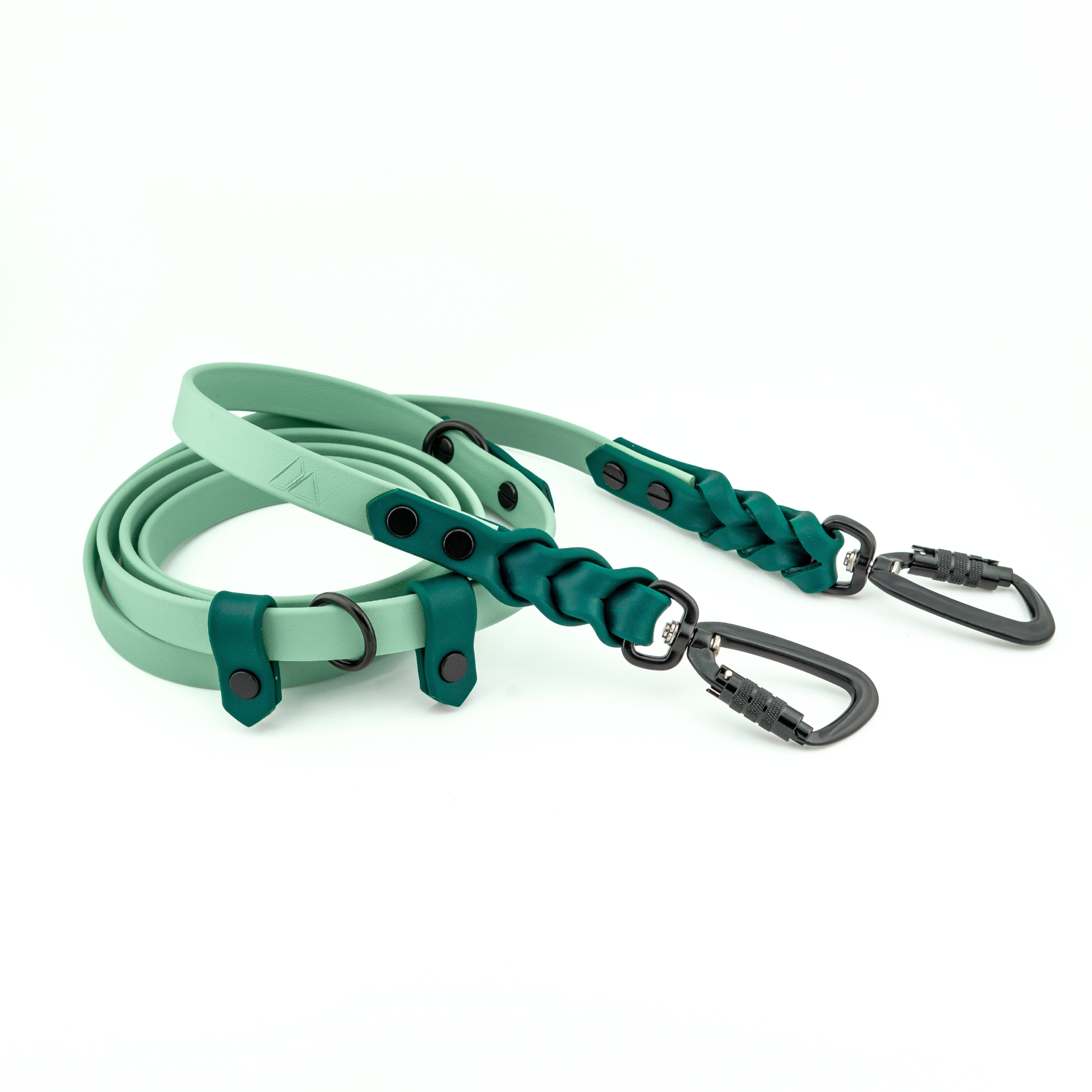
| Hands-free leash | Hiking, running, active handlers | Keeps the dog connected while freeing your hands | Atlas or Trailblazer hands-free leash |
| Long line | Recall, decompression, safe exploration | Gives freedom without going fully off leash | BioThane long line |
| Adjustable collar | Everyday wear and ID attachment | Secure fit when measured correctly | ECO, Voyager, or Atlas collar |
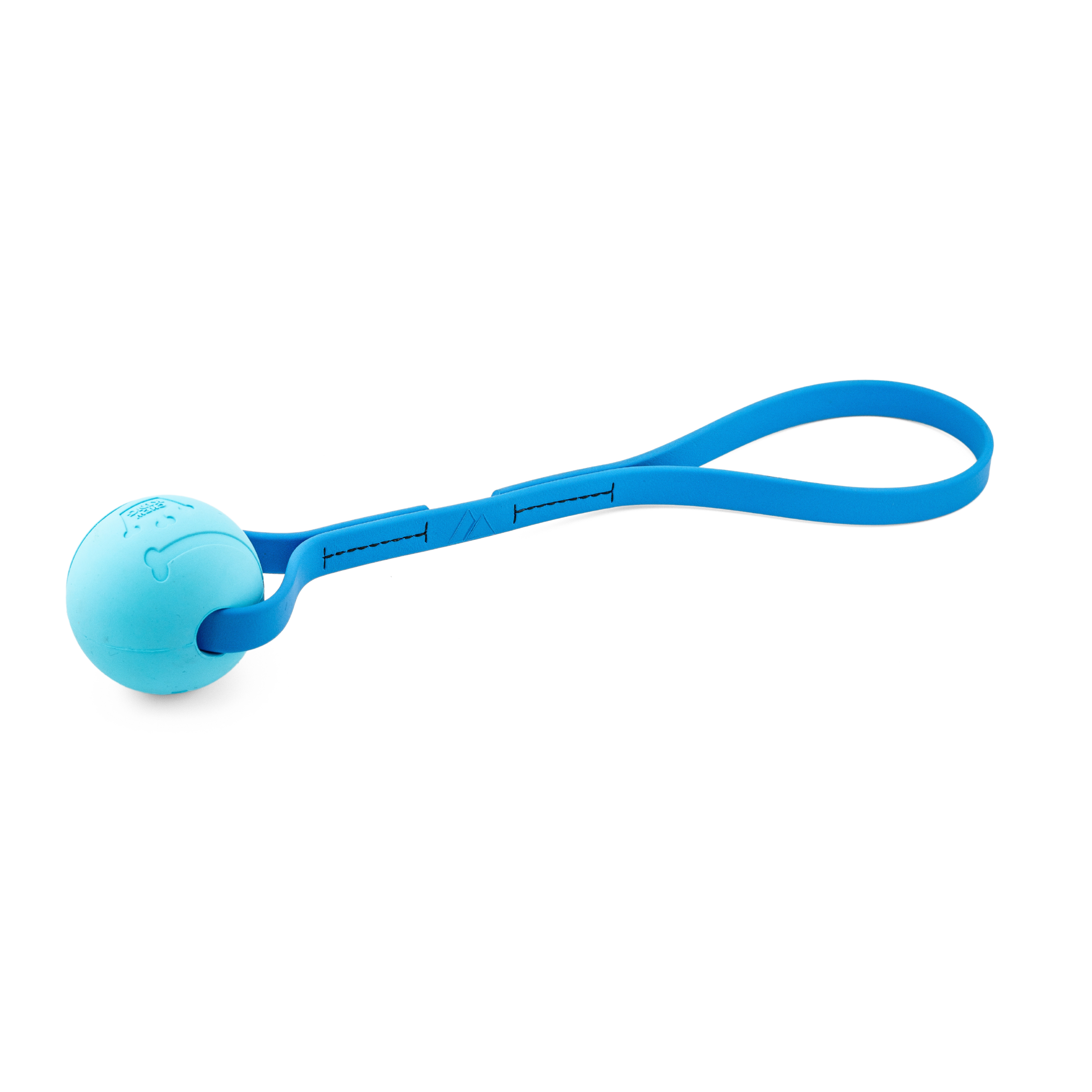
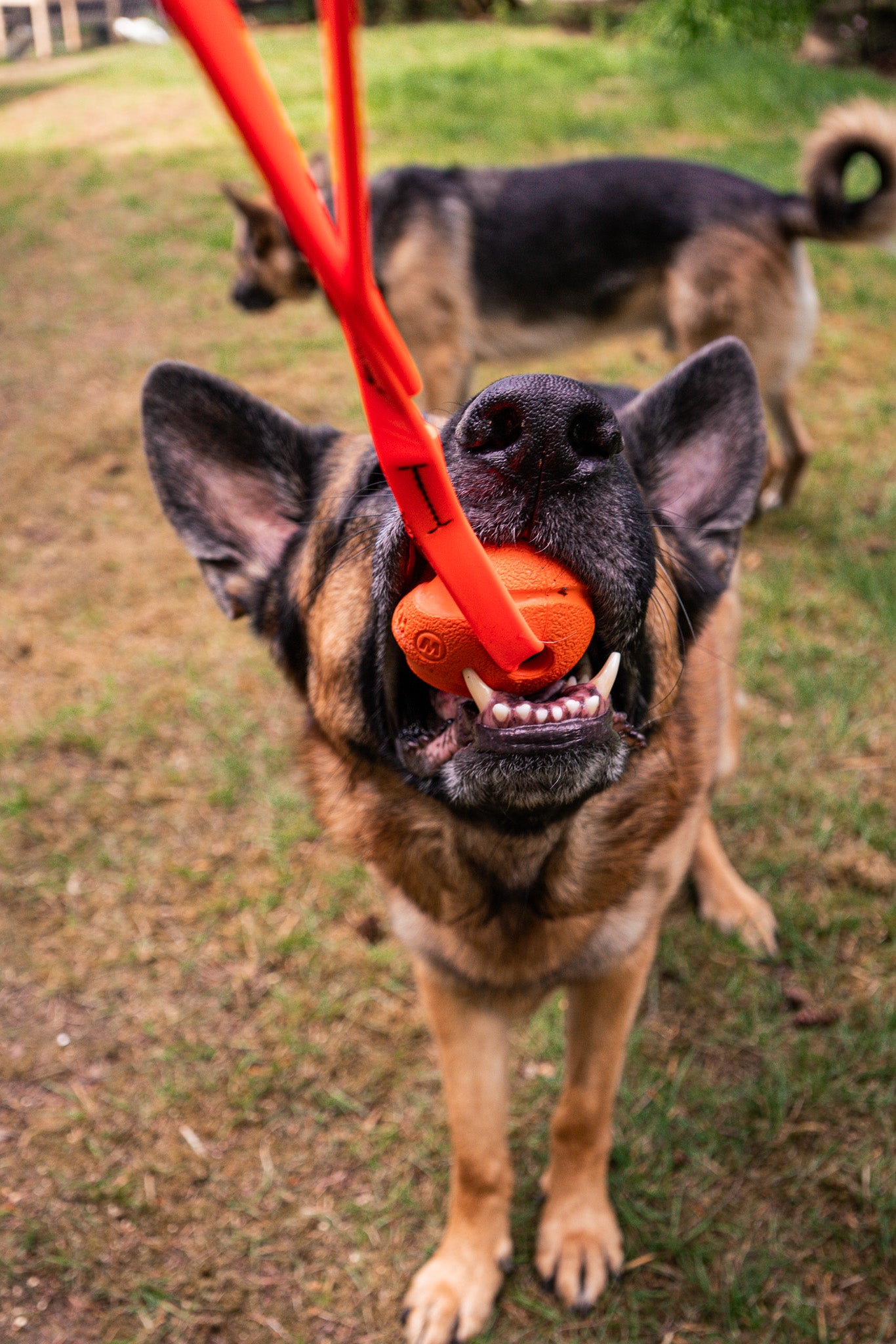
| Tug toy | Training, play, engagement | Builds focus and strengthens handler connection | Element, Trailblazer, or French Linen tug |
Recommended Gear
Product recommendations for rescue-supporting dog owners

BioThane Leashes
A strong first purchase for newly adopted dogs, foster dogs, and everyday handlers who need dependable control.
Shop leashes
Hands-Free Leash Systems
Built for active dog owners who want secure, adjustable gear for walking, hiking, and daily movement.
Shop hands-free leashes
Training Tugs
Purpose-built tug toys for engagement, play, training rewards, and building a stronger working relationship.
Shop tug toys
Common Mistakes
What to avoid when buying rescue-supporting dog gear
- Do not choose gear only because it donates. It still needs to fit your dog and hold up to daily use.
- Do not use loose collars or weak hardware on newly adopted or flight-risk dogs.
- Do not assume one leash works for every situation. Walking, hiking, recall, and training may need different setups.
- Do not ignore cleaning and maintenance. Dirty, worn, or damaged gear should be inspected before use.
Quick Recap
Rescue-supporting gear should still be performance gear.
Giving back matters, but durability, sizing, and safety come first.
BioThane is practical for active and rescue dogs.
It is waterproof, easy to clean, odor-resistant, and built for daily use.
Newly adopted dogs need secure handling.
Start with dependable leash and collar setups before adding more freedom.
Your purchase can do more.
Choosing a rescue-minded brand helps support dogs beyond your own home.
Purchase Checklist
1. Measure first
Measure your dog’s neck, body, and leash needs before choosing sizes or lengths.
2. Choose the right use case
Pick daily walking gear, hands-free gear, a long line, or training gear based on how you will actually use it.
3. Inspect before every use
Check hardware, stitching, material condition, and fit before relying on any dog gear.
FAQ: Dog Gear That Supports Rescue Organizations
What makes Bolder K9 gear a good choice for rescue-minded dog owners?
Bolder K9 gear is handmade for durability, daily use, and active dogs. It is a good choice for rescue-minded owners because the brand combines practical dog gear with a mission that supports dogs beyond the sale.
Is rescue-supporting dog gear more expensive?
Rescue-supporting dog gear can cost more when it is handmade, made with premium materials, or built in small batches. The value comes from durability, function, and the added benefit of supporting rescue-focused work.
What gear should I buy first for a rescue dog?
Start with a secure collar, dependable leash, ID setup, and any backup safety connection recommended for the dog. After that, consider a long line, hands-free leash, or tug toy based on training and lifestyle.
Can I use a BioThane leash in rain or mud?
Yes, BioThane is well suited for rain, mud, and wet conditions. It can usually be cleaned with mild soap, warm water, and a towel.
Are tug toys good for rescue dogs?
Tug toys can be good for rescue dogs when used appropriately. They can build engagement, confidence, and handler focus, but play should match the dog’s temperament, training level, and mouth habits.